
Series: History of Chamba, Himachal Pradesh, India
Phase 4: British Period — Part 17 of 30
This article is part of a wider series tracing the transformation of the western Himalayas under colonial influence. As British authority extended into the hills, existing political systems were restructured through treaties, administration, and new forms of governance. This phase considers how colonial rule reshaped society, economy, and space while leaving lasting imprints on local identity.
Monsoon Mornings in Chamba, 1846
The monsoon mist clings to the slopes above the Ravi River, blurring the outlines of Chamba’s old palace and the slate roofs below. It’s 1846, just months since the Treaty of Lahore forced the Sikh Empire to cede vast territories to the British East India Company. In the shadow of the old wooden temples, anxious whispers run through the bazaar: What will become of the valley’s ancient ways?
For centuries, Chamba had moved to its own rhythm, ruled by the Dogra dynasty and guided by customs that mixed Rajput codes, local tradition, and the slow, steady influence of Himalayan Buddhism and Shaivism. Now, as the Union Jack flutters over the commissioner’s bungalow, the British prepare to draw new lines through Chamba’s political, legal, and social order.
Chamba Before the Raj: Ties, Customs, and Autonomy
Chamba’s story stretches back a thousand years, a patchwork of legend and documented history. The Rajatarangini and the Chamba Vamshavali—part chronicle, part oral memory—speak of Rajput clans settling the region, weaving their lineages with local hill chieftains. By the late 18th century, Chamba was a princely state ruled by Raja Jit Singh, its authority drawn from both royal descent and the consent of landed elites, merchant guilds, and clergy.
Local administration rested on the thana (police outpost), the jagir (land grant), and the informal arbitration of disputes by respected elders and temple councils. Justice moved slowly, often shaped by custom as much as royal law. These rhythms, familiar and intimate, would soon be tested by the arrival of imperial bureaucracy.
The British Arrive: Compromise and Realignment
The Anglo-Sikh wars of the 1840s redrew the political map of the northwestern Himalayas. Chamba, though not conquered outright, became a protectorate—its raja nominally sovereign, but his authority watched over by British political agents based in Kangra and Simla. The Company’s approach was pragmatic: retain princely rulers, but bind them by treaty to British interests, especially in matters of taxation, law, and trade.
For Chamba, this meant new obligations: regular tribute payments, British oversight in foreign affairs, and the gradual standardization of administration. The British, wary of disturbing local religious structures, left much of temple management and customary law intact—but over time, their presence pushed the state toward a more formal, written code of governance.
Administrative Overhauls: Codifying Rule
By the 1860s, Chamba’s administration was taking on a distinctly colonial shape. The Raja retained his court, but key posts—like the Wazir (prime minister) and Diwan (finance chief)—were now expected to keep detailed records, account for taxes, and answer to the British Resident. Revenue surveys, modeled on those of Punjab, documented every field, orchard, and pasture, often unsettling the traditional rights of village communities and small landlords.
Justice, too, grew more formalized. The British encouraged the establishment of regular courts, with written procedures and appeals, replacing the earlier reliance on oral testimony and compromise. While the new system promised fairness and order, many in Chamba found it remote and alien—a world of stamped papers, legal jargon, and unfamiliar officials.
The Changing Face of Society
Administrative reform rippled outward, touching every aspect of life. British officials, wary of sparking unrest, rarely interfered with Hindu temples or Buddhist monasteries. Yet their emphasis on census-taking, codification of caste and tribe, and the registration of land and labor subtly reshaped how people thought about themselves and their neighbors.
The old melas—festivals that united Chamba’s valleys—were now also occasions for collecting revenue or announcing new regulations. Traditional crafts, like the famed Chamba rumal embroidery and the bell-metal artisans of Sarol, came under new pressures as colonial roads opened the region to outside markets and competitors.
Education, too, was transformed. The British sponsored schools in the district headquarters, teaching Urdu, Persian, and—eventually—English. A new class of clerks and minor officials emerged, their fortunes tied not to the raja or the temple, but to the distant, impersonal authority of the colonial state.
Resistance, Adaptation, and Everyday Rule
The imposition of British-style administration was rarely smooth. Petitions and protests were common: villagers resisting new taxes, landlords disputing boundaries, priests defending their ancient privileges. Yet the story is not simply one of resistance or loss. Chamba’s rulers and people displayed remarkable adaptability, learning to navigate the corridors of British power.
Some rajas used the language of reform to strengthen their own hand, centralizing authority and patronage. Others embraced new skills—legal literacy, accounting, negotiation with British officials—blending them with older traditions of mediation and hospitality. Even as the old structures bent under colonial pressure, they rarely broke completely.
Legacies in the Present
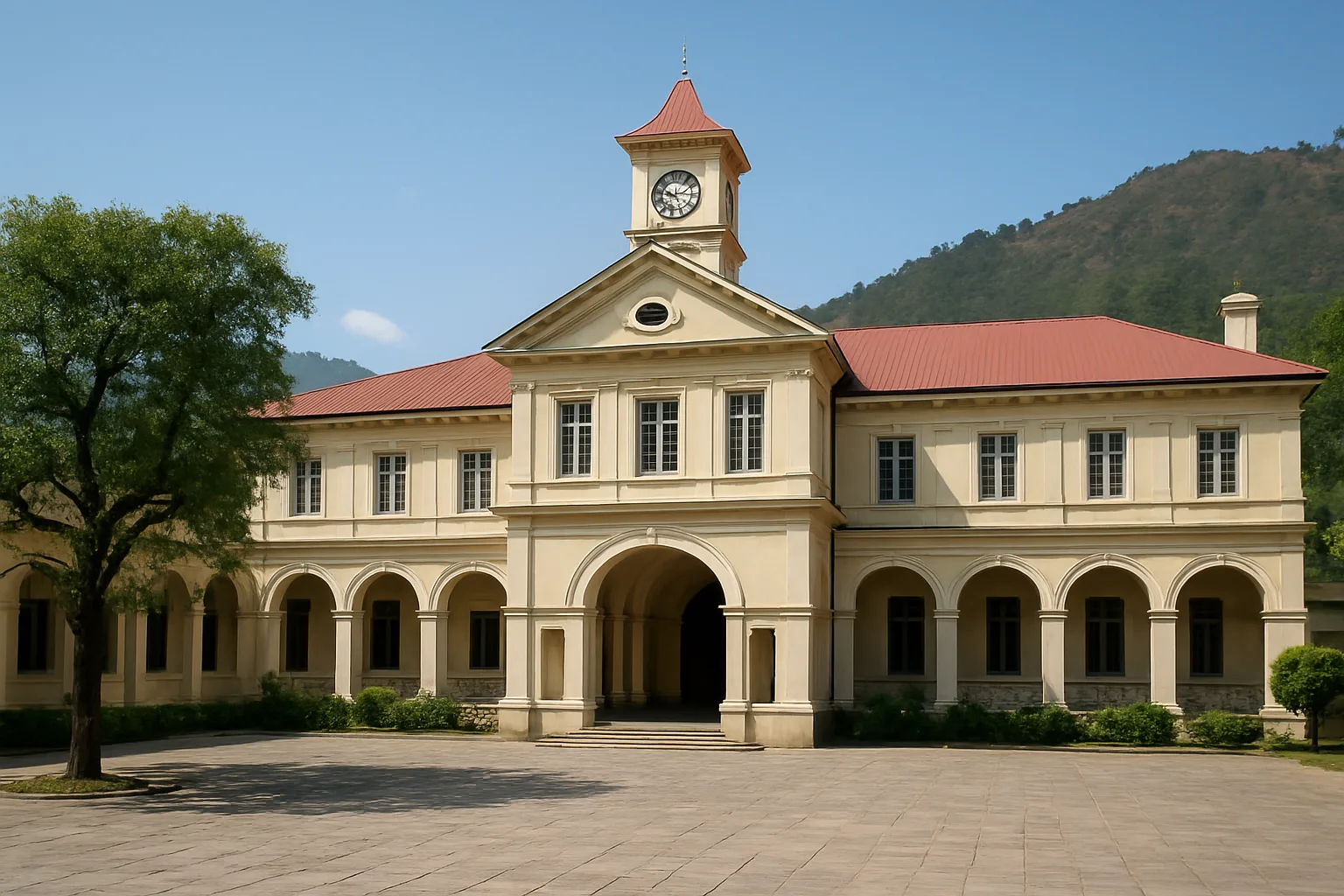
Walk through Chamba town today, and the echoes of these changes linger: the grand stone courthouse, the surviving records in the Raja’s archive, the syncretic festivals that blend royal, religious, and civic life. The British period left scars—displacement, new hierarchies, a sometimes alienating bureaucracy—but it also seeded new forms of agency and self-understanding in the valley.
As we turn, in the next part of our series, to the cultural renaissance and social ferment of late colonial Chamba, we will see how these administrative reforms laid both burdens and foundations for the region’s modern identity. The valley’s history, like its rivers, flows on—shaped by what has been carried downstream, and what is yet to come.
Previous: British Relations with the Chamba State
Next: Life of Common People in Colonial Chamba