
Series: History of Chamba, Himachal Pradesh, India
Phase 4: British Period — Part 16 of 30
This article is part of a wider series tracing the transformation of the western Himalayas under colonial influence. As British authority extended into the hills, existing political systems were restructured through treaties, administration, and new forms of governance. This phase considers how colonial rule reshaped society, economy, and space while leaving lasting imprints on local identity.
Dawn on the Ravi: Chamba at the Threshold of Empire
It is the early decades of the nineteenth century. The morning sun touches the turrets of Chamba’s palace, casting long shadows over the bustling marketplace near the ancient Lakshmi Narayan temples. A cool wind carries faint echoes of distant change—news of new powers in the plains, and a swirl of rumors about emissaries in red coats who speak a foreign tongue. The British Empire, relentless in its advance across northern India, has arrived at the doorstep of this isolated Himalayan kingdom.
For centuries, Chamba had watched the rise and fall of great powers from afar. Now, its rulers must decide how to respond to the overtures—and the demands—of the British Raj. The encounter will test Chamba’s political wisdom, reshape its institutions, and alter its relationship with the wider world.
Between Legend and Record: Chamba Before the British
The valleys of Chamba are steeped in a mosaic of memory: oral traditions tell of the founding king, Sahil Varman, and the migration of his line from Jammu in the tenth century. Myths of serpent deities and sacred rivers coexist with the more tangible legacies of Rajput rule—stone temples, copper inscriptions, and the enduring rhythms of courtly life. By the late 1700s, Chamba’s borders were shaped by both legend and the practical needs of defense, agriculture, and trade, its people bound by a shared devotion to Shiva and Vishnu, and a deep reverence for the land itself.
Yet, as noted in the Kangra Gazetteer, Chamba’s sovereignty was always precarious. The state’s rulers navigated between more powerful neighbors—Kangra, Jammu, Kullu, and later the expanding Sikh empire—while maintaining a degree of autonomy through diplomacy and tribute. The arrival of the British would upend these delicate balances.
The British Advance: Diplomacy and the Treaty Era
By the early nineteenth century, the British East India Company had established itself as the dominant power in the plains of Punjab and the Doab. The defeat of the Marathas and the annexation of the Sikh territories brought the British face-to-face with the independent hill states of the western Himalayas. Chamba, with its strategic position guarding passes to Kashmir and Tibet, drew the attention of imperial strategists.
The first formal contact between Chamba and the British occurred in the aftermath of the First Anglo-Sikh War (1845–46). In the Treaty of Lahore (1846), the British acquired vast tracts of the Punjab, and the smaller hill states—Chamba among them—were declared to be under British protection. The Chamba rajas were required to acknowledge the suzerainty of the Governor-General, pay tribute, and seek British approval for matters of succession. Yet, Chamba retained internal autonomy—a delicate arrangement that would characterize its status until Independence.
Negotiation and Adaptation: Chamba’s Rulers Respond
The rajas of Chamba, though wary, approached the British with characteristic pragmatism. Raja Shri Singh (r. 1808–1844) and his successors understood the new realities: resistance would be futile, but careful negotiation might preserve their house and the coherence of their kingdom. British officials, for their part, often viewed the Chamba rulers as “loyal and enlightened”—a narrative that served both imperial administration and royal legitimacy.
The British Residency at Chamba, established in the 1860s, became the hub of this relationship. Residents and Political Agents advised the court on matters ranging from legal reform to land revenue, while allowing the raja to preside over local customs and religious festivals. The result was a hybrid administration: British legal codes mingled with Rajput traditions, and the English language began to creep into courtly correspondence and education.
Trade, Roads, and Transformation
British engagement brought both opportunity and disruption. The construction of new roads and the opening of postal routes connected Chamba more closely to the markets of Punjab and the wider empire. The Ravi River valley, once a remote corridor of pilgrimage and caravan trade, became a conduit for new goods and ideas. British engineers introduced new crops, surveyed the land for minerals, and sometimes clashed with local customs regarding forests and grazing rights.
Yet these changes were not always embraced. Oral traditions remember this era as one of both possibility and loss. The independence of local chieftains diminished, and new taxes occasionally sparked resistance in distant villages. The introduction of British legal procedures upset the rhythms of customary justice, even as the state gained a reputation for order and relative prosperity in official reports.
The People’s Voice: Communities and Continuity
Beneath the politics, the daily life of Chamba’s people continued along familiar lines. Rajput nobles, Brahmin priests, and the artisan castes maintained their roles in the social hierarchy. The Gaddis, pastoralists of the high valleys, continued their seasonal migrations, though now under the watchful eyes of both raja and Resident. Buddhist communities in the Pangi valley, and Muslim traders in the bazaar, navigated new regulatory frameworks while sustaining ancient traditions of trade and belief.
Festivals, oral epics, and the veneration of local deities persisted, often adapting to the new order. The Chamba rumal (embroidered handkerchief) and miniature paintings flourished, supported by both royal patronage and growing colonial curiosity about “native arts.” British officials, fascinated by the region’s perceived “timelessness,” collected manuscripts and artifacts, contributing to the emergence of Chamba’s distinct cultural identity in a rapidly changing world.
Echoes into the Present
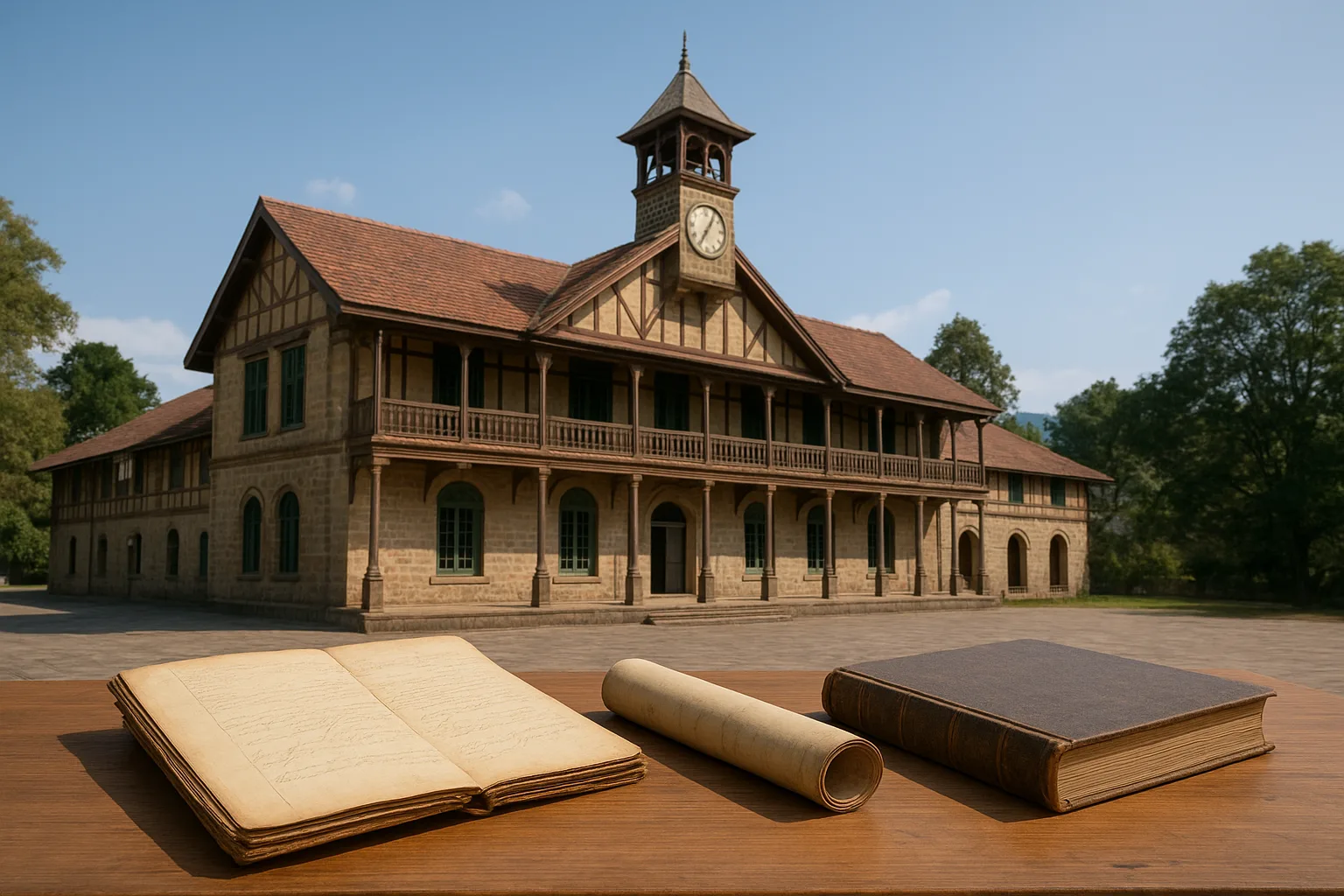
Today, the legacy of British-Chamba relations is written into the town’s architecture, its legal institutions, and the memories of its people. The old Residency building stands beside the palace, a silent witness to decades of negotiation and accommodation. The roadways, once strategic arteries of empire, are now lifelines connecting Chamba to the rest of Himachal Pradesh and beyond.
The encounter with colonial power was not simply a story of domination or resistance. It was, for Chamba, an era of adaptation—one that shaped modern governance, redefined allegiances, and left enduring marks on cultural life. In the next part of this series, we will journey deeper into the lived experience of the Chamba people during the late British period, following the threads of reform, resistance, and everyday resilience that defined this Himalayan kingdom on the edge of empire.
Previous: Language, Dress, and Folk Traditions of Chamba
Next: Administration and Reforms Under the British