
Series: History of Sirmaur, Himachal Pradesh, India
Phase 4: British Period — Part 17 of 30
This article is part of a wider series tracing the transformation of the western Himalayas under colonial influence. As British authority extended into the hills, existing political systems were restructured through treaties, administration, and new forms of governance. This phase considers how colonial rule reshaped society, economy, and space while leaving lasting imprints on local identity.
Mists Over Nahan: Dawn of a New Era
The morning fog clings to the slopes above Nahan, the sun burning faintly through Himalayan clouds. In the palace courtyard, a group of Sirmauri nobles gathers, their voices hushed. The year is 1815—a threshold between worlds. The British flag flutters atop the Residency, signaling Sirmaur’s entry into a new political order: one defined by treaties, Resident officers, and the subtle, often unseen, hand of British paramountcy.
From Ancient Roots to Colonial Realities
Sirmaur’s valleys and ridges have long echoed with stories—some etched in stone, others carried on the lips of bards and elders. Oral traditions, revered in the hills, speak of the legendary Raja Sáliváhana and the origins of the Suryavanshi dynasty. While myth and memory intertwine, historical inference—supported by copperplate grants and regional chronicles—places Sirmaur’s earliest settlements along trade arteries linking the Ganges plains to the northwestern Himalayas.
By the late 18th century, Sirmaur had emerged as a distinct hill state. Its rulers, from their seat in Nahan, presided over a tapestry of communities: Rajput nobility, Brahmin priests, merchant castes, and the hardy agrarian Sirmauri peasants. The region’s belief systems reflected a blend of Shaivism, local deities, and Buddhist echoes from neighboring valleys. Early gazetteers detail the annual fairs, temple rituals, and the intricate structure of village governance that defined everyday life.
The British Advance and Sirmaur’s Submission
The early 19th century brought seismic change. The Gorkha expansion from Nepal pressed hard against the western Himalayas, and Sirmaur—like its neighbors—found itself entangled in shifting alliances and wars. The Anglo-Gorkha conflict (1814–1816) left Sirmaur battered and its authority diminished. It was during these anxious years that the Raja of Sirmaur, seeing the tide of history turning, sought British protection to recover his lands.
With the Treaty of Sugauli in 1815, Sirmaur became a princely state under indirect British rule. For the first time, its sovereignty was circumscribed by formal agreements: the Raja retained his throne but acknowledged British paramountcy. A Resident was installed at Nahan, and political correspondence flowed between the palace and the offices in Shimla and Calcutta. The shape of the state’s autonomy had changed, but the fabric of local rule endured—at least for a time.
Life Under Paramountcy: Change and Continuity
The British Raj brought new rhythms to Sirmaur’s hills. While the Raja and his council continued to govern internal affairs, the presence of British advisors was inescapable. Revenue systems were standardized, judicial procedures reformed, and land surveys commissioned—each leaving its mark on the landscape and its people.
For Sirmaur’s rulers, this era demanded delicate negotiation. They had to uphold the dignity of their ancient house, steward the welfare of their subjects, and accommodate the expectations of colonial overlords. In the towns, new schools and hospitals appeared, often staffed by outsiders. Roads improved, opening Sirmaur’s markets to goods from the plains but also exposing its traditions to the winds of change. Yet, in the high villages and temple precincts, the cycle of festivals and harvests persisted. Oral traditions adapted, weaving British officers and court intrigue into their narratives—proof of the region’s enduring capacity for synthesis.
Communities and the Pulse of Local Life
Throughout the British period, Sirmaur’s social fabric remained vibrant. The Rajput clans retained their honor, but commercial castes grew in influence as trade networks expanded. Sikh, Jain, and Muslim families, though fewer in number, contributed to the region’s cosmopolitan character. Agricultural cycles dictated the pace of life, while fairs at Renuka and Paonta Sahib drew pilgrims and traders from across Himachal and the Punjab plains.
Belief systems continued to blend old and new. The cult of the local deity Shirgul flourished alongside the growing presence of reformist Hindu movements encouraged by colonial administrators. Schools founded under British patronage brought literacy but also new tensions, as young Sirmauris found themselves navigating the boundaries between tradition and modernity.
Politics, Reforms, and the Growing Call for Change
By the late 19th century, the stirrings of nationalist sentiment reached even the sheltered courts of Sirmaur. Gazetteers from this period note a growing sense of grievance among peasants, who sometimes chafed under new tax policies or the heavy hand of local officials. The Raja, sensitive to the shifting winds, sponsored modest reforms: land tenures were clarified, and limited representation was granted in local councils.
Yet, the essential structure of the princely state persisted. Sirmaur’s autonomy was both real and illusory—shielded from direct annexation, but never entirely free from the strategic calculations of the colonial state. The hill state’s rulers attended durbars in Delhi, their loyalty rewarded with honors, but their independence increasingly ceremonial.
Legacy of the Princely Era
The decades under British paramountcy left Sirmaur transformed yet recognizably itself. Roads, schools, and administrative reforms altered daily life, but the memory of older traditions—the authority of the Raja, the sanctity of local temples, the rhythm of harvest and festival—remained vivid. Oral traditions, now buttressed by written chronicles and early photography, preserved a nuanced record of adaptation and resistance.
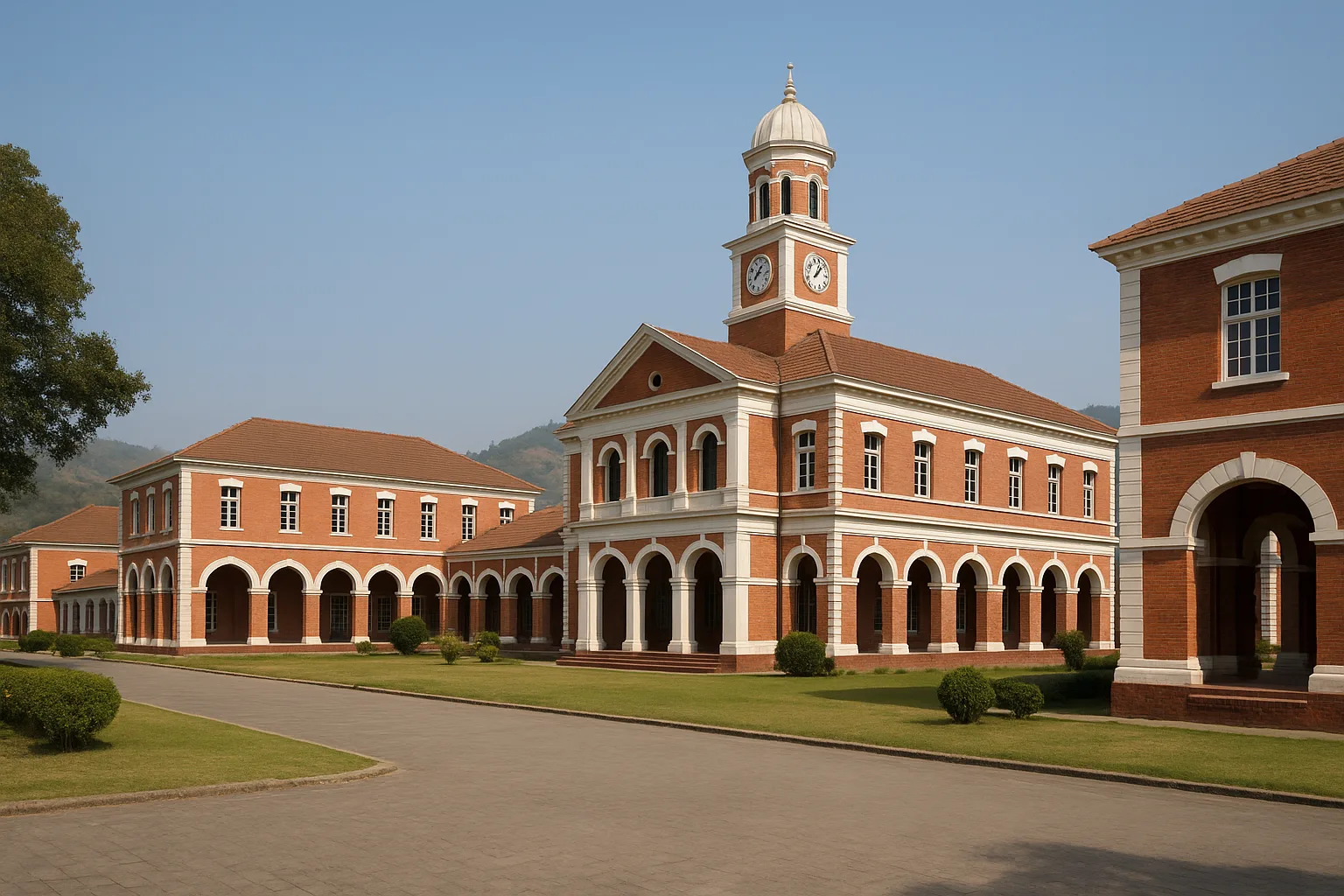
Today, Sirmaur’s identity still bears the imprint of this era. The palaces of Nahan and Rajgarh stand as reminders of a time when the region’s fate was negotiated in both the courts of kings and the offices of imperial administrators. The echoes of that delicate balance—between self-rule and subordination, heritage and innovation—continue to shape the aspirations and anxieties of Sirmauri society.
Looking Ahead: Sirmaur on the Brink of Independence
As the series continues, we turn to the turbulent decades leading to 1947, when the forces unleashed in British India would finally reach Sirmaur in full. In the next installment, we will trace how the princely state navigated the era of reform, nationalist agitation, and the ultimate end of colonial rule—charting a path from the shadow of paramountcy to the dawn of independence.
Previous: British Entry into the Sirmaur Hills
Next: Administrative and Revenue Reforms in Colonial Sirmaur