
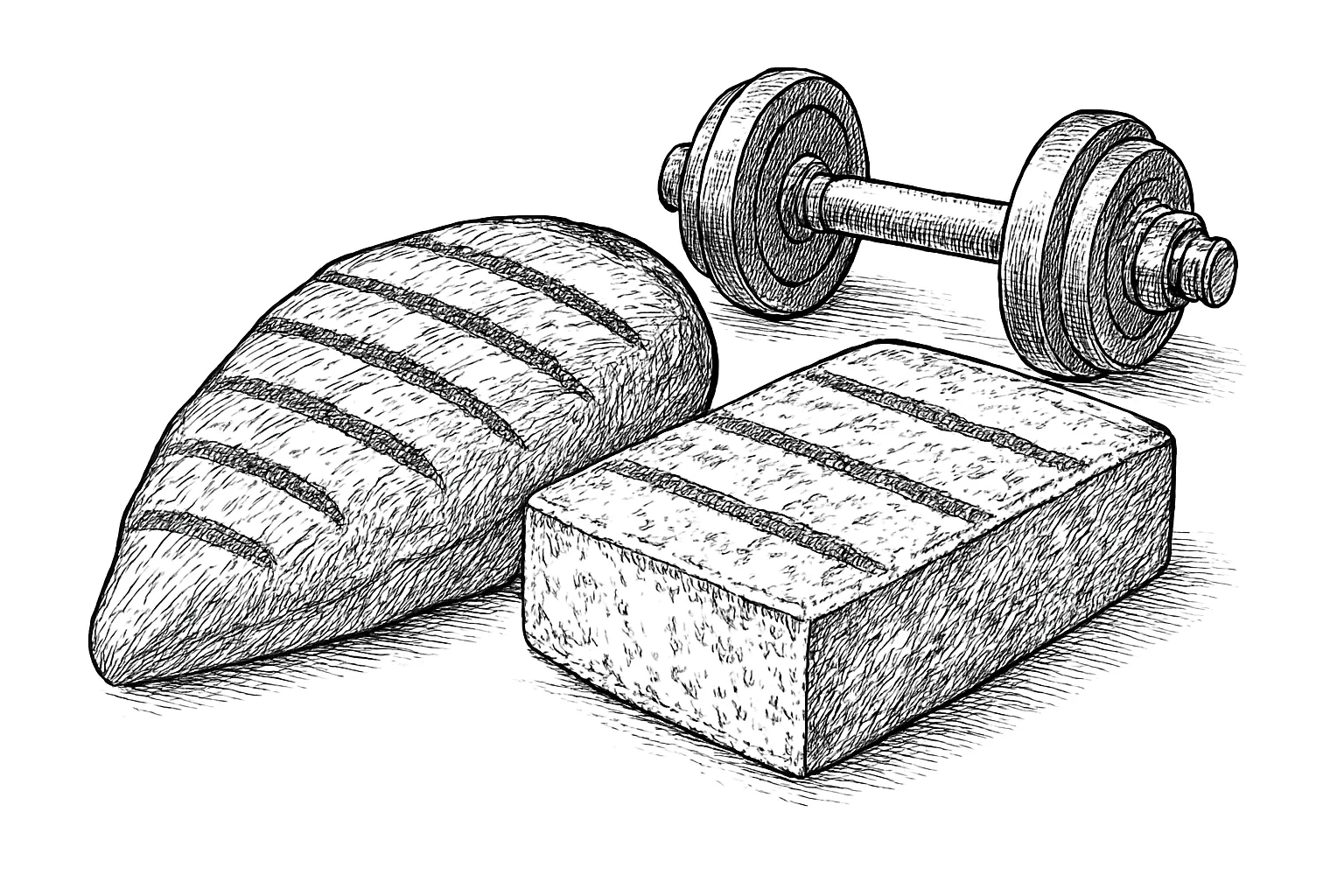
Plant vs Animal Protein for Strength Training: Finding the Right Balance
Whether you’re just starting strength training or looking to optimise your routine, protein is a key nutrient for building and repairing muscles. But with so many options, it’s common to wonder: should I focus on plant-based or animal-based protein? Both have their place, and understanding their benefits can help you create a sustainable and effective nutrition plan that supports your strength goals.
Understanding Protein and Strength Training
Protein is made up of amino acids, which are the building blocks your muscles need after exercise. Strength training creates tiny tears in your muscle fibres, and protein helps repair and build them stronger. Your body requires a good mix of essential amino acids to do this well.
Animal proteins—like meat, fish, eggs, and dairy—are often considered “complete” proteins because they contain all essential amino acids in sufficient amounts. Plant proteins—such as beans, lentils, nuts, seeds, and grains—sometimes lack one or more essential amino acids, but combining different plant sources can provide a complete amino acid profile.
Comparing Plant and Animal Protein for Strength Training
1. Amino Acid Profile
- Animal Protein: Generally contains all essential amino acids in balanced amounts, making it straightforward to meet your needs. Examples include chicken, beef, fish, eggs, and whey protein.
- Plant Protein: Often lower in one or more essential amino acids, but combining foods like rice and beans or hummus and pita can provide a complete profile. Popular sources include soy, pea, lentils, quinoa, and nuts.
2. Digestibility
- Animal Protein: Usually easier to digest and absorb, meaning your body can make quick use of the amino acids.
- Plant Protein: Sometimes contains fibre and antinutrients that slow digestion slightly, but this can be managed by preparing foods well (soaking, cooking) and eating a varied diet.
3. Environmental and Ethical Considerations
- Animal Protein: Generally has a larger environmental footprint, including higher water use and greenhouse gas emissions.
- Plant Protein: Often more sustainable and environmentally friendly, making it a popular choice for eco-conscious individuals.
4. Practicality and Variety
- Animal Protein: Widely available and versatile but may be more expensive or less appealing to some people.
- Plant Protein: Offers a wide range of flavours and textures, ideal for creating diverse meals, especially for vegetarians and vegans.
Step-by-Step Tips for Using Plant and Animal Protein in Strength Training
1. Assess Your Dietary Preferences and Goals
Consider whether you prefer animal, plant, or a combination of proteins based on taste, budget, ethics, and how your body feels.
2. Aim for Balanced Meals
Include a source of protein at every meal to support muscle recovery. If relying on plant proteins, combine different sources throughout the day for a complete amino acid intake.
3. Prioritise Protein Timing
After strength sessions, try to eat protein within 1–2 hours to help muscle repair. This can be a shake, a meal, or a snack that includes your preferred protein source.
4. Experiment with Protein Sources
- Animal Options: Chicken, fish, eggs, low-fat dairy, and lean beef.
- Plant Options: Soy (tofu, tempeh), pea protein, lentils, chickpeas, quinoa, nuts, and seeds.
5. Use Protein Powders Wisely
Protein powders can be a convenient way to boost intake. Whey protein (animal) is popular for quick absorption. Plant-based powders like pea and soy offer good alternatives for those avoiding animal products.
6. Stay Hydrated and Balanced
Protein works best alongside carbs and fats, so maintain a well-rounded diet. Hydration also supports muscle function and recovery.
Common Myths About Plant vs Animal Protein
- Myth 1: You can only build muscle with animal protein. Truth: Plant proteins can be just as effective when consumed in adequate amounts and combined properly.
- Myth 2: Plant proteins are incomplete and not worth it. Truth: Combining different plant sources throughout the day can provide all essential amino acids.
- Myth 3: Animal protein is always better for recovery. Truth: Both types support recovery; the key is total protein intake and timing.
- Myth 4: You need huge amounts of protein to see strength gains. Truth: Moderate, consistent protein intake alongside training is sufficient for most people.
Making Sustainable Choices That Work for You
Choosing between plant and animal protein doesn’t have to be all or nothing. Many find a flexible approach works best—such as using animal proteins a few times a week and focusing on plant sources at other times. This balance can support your strength training while aligning with your values and lifestyle.
Remember, consistency in your training and nutrition habits matters most. Whichever protein sources you choose, focus on variety, quality, and enjoying your meals.
Conclusion
Both plant and animal proteins can support strength training effectively when consumed thoughtfully. Animal proteins often offer convenience and completeness, while plant proteins provide sustainability and variety. By including a range of protein sources, timing your intake around workouts, and dispelling common myths, you can build muscle and recover well in a way that suits your lifestyle and values. Sustainable, balanced habits will help you stay strong and healthy for the long term.
This article provides general educational information only and is not a substitute for professional medical advice. Always consult a qualified healthcare professional for personal guidance.