
Series: Finance for Kids
Phase 8: Money Activities & Games — Part 91 of 166
How to Teach Kids About Money Through Storybooks
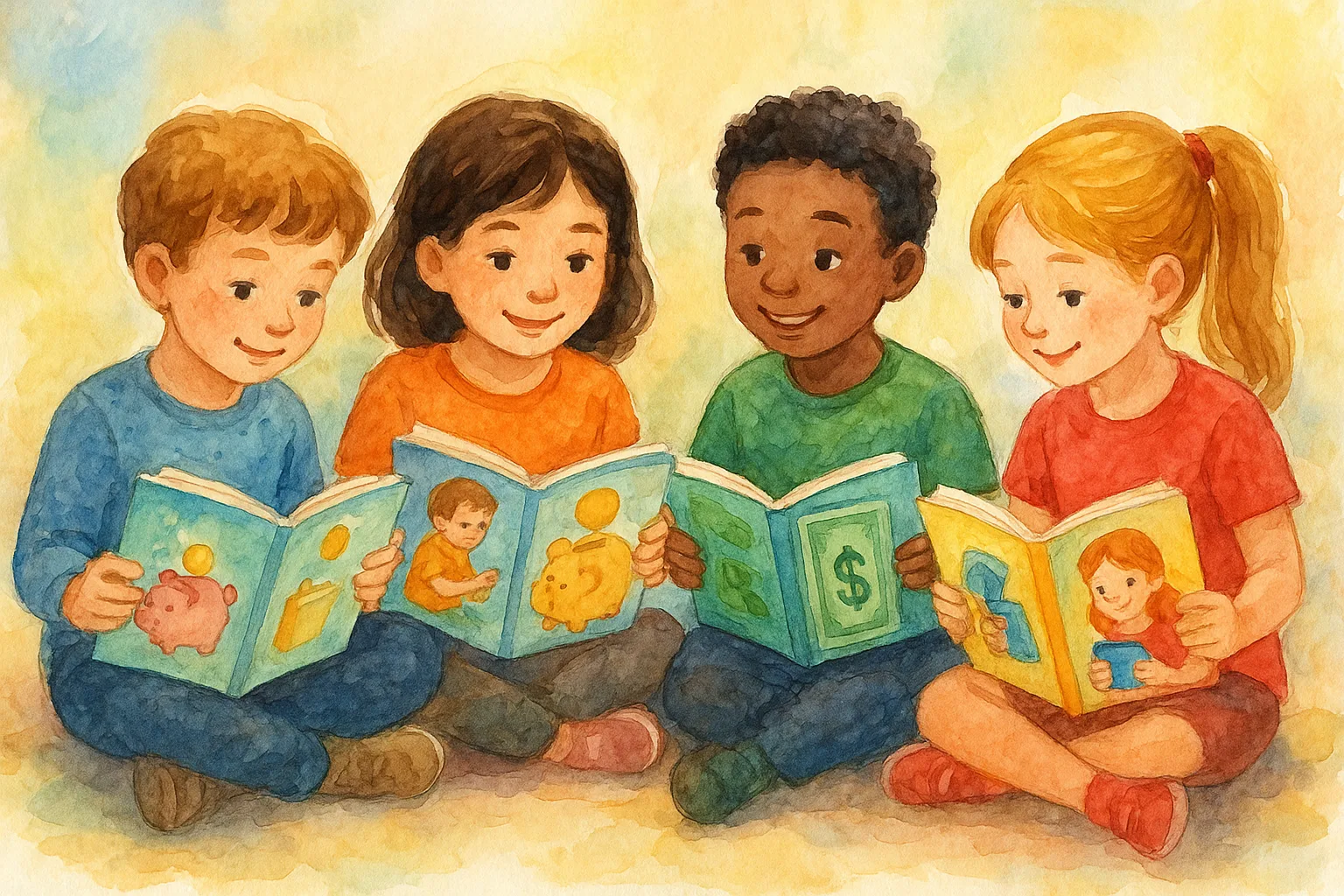
Teaching kids about money can be a fun adventure, especially when you use storybooks! Stories capture children’s imaginations and can help them understand important concepts about money in an engaging way. In this article, we’ll explore how to use storybooks to teach kids about money, along with some helpful tips and popular titles.
Why Use Storybooks?
Storybooks are a wonderful tool for learning because they:
- Engage Imagination: Children love stories! They allow kids to connect with characters and situations, making lessons more relatable.
- Simplify Complex Ideas: Money concepts can be challenging. A story can break these ideas down into simple, understandable parts.
- Encourage Discussion: Books can spark conversations about money, helping kids to think critically and express their feelings.
Step-by-Step Tips for Using Storybooks
1. Choose the Right Books
Start by selecting storybooks that focus on money or financial themes. Look for books that cover topics like saving, spending, sharing, and earning money. Some popular titles include:
- “The Berenstain Bears’ Trouble with Money” – This classic book teaches kids about the value of work and saving.
- “Bunny Money” – A fun tale about two bunnies who learn to budget while shopping.
- “Lemonade in Winter” – This story shows kids the process of running a lemonade stand and the importance of planning.
2. Read Together
Make reading a shared activity. Sit down with your child and read the chosen book together. Take turns reading or ask questions to keep them engaged. Discuss the illustrations and what’s happening in the story.
3. Discuss Key Concepts
After reading, talk about the money lessons in the story. For example, if the character in the book saves money for a special toy, ask your child:
- Why do you think saving is important?
- What would you like to save for?
Encourage them to share their thoughts and feelings. This dialogue will reinforce what they’ve learned.
4. Relate the Story to Real Life
Help your child connect the story to their own experiences. You can ask questions like:
- Have you ever saved up for something?
- What do you think is a good way to spend money?
Using examples from their own life makes the lessons more relevant and memorable.
5. Create Activities
To reinforce the lessons, consider creating fun activities related to the story. For example:
- Have your child create their own budget for a pretend shopping trip.
- Set up a mini lemonade stand at home to practice earning and spending money.
Activities make learning interactive and enjoyable!
Common Myths About Teaching Kids About Money
When it comes to teaching kids about money, there are a few myths that can hold parents back:
- Myth 1: It’s too early to teach kids about money.
- Myth 2: Kids won’t understand financial concepts.
- Myth 3: Money discussions are boring.
In reality, starting early can build a strong foundation. Kids can grasp basic concepts through stories, and learning about money can be both fun and engaging!
Conclusion
Using storybooks to teach kids about money is a creative way to instill valuable financial skills. By selecting the right books, engaging in discussions, and relating stories to real life, you can help children develop a positive attitude towards money. Remember, every story is an opportunity to learn!
This article provides general educational information only and is not financial advice. Always seek guidance from a qualified professional for personal financial decisions.
Previous: DIY Money Lessons Using Household Items
Next: Fun Activities to Teach Kids About Saving