
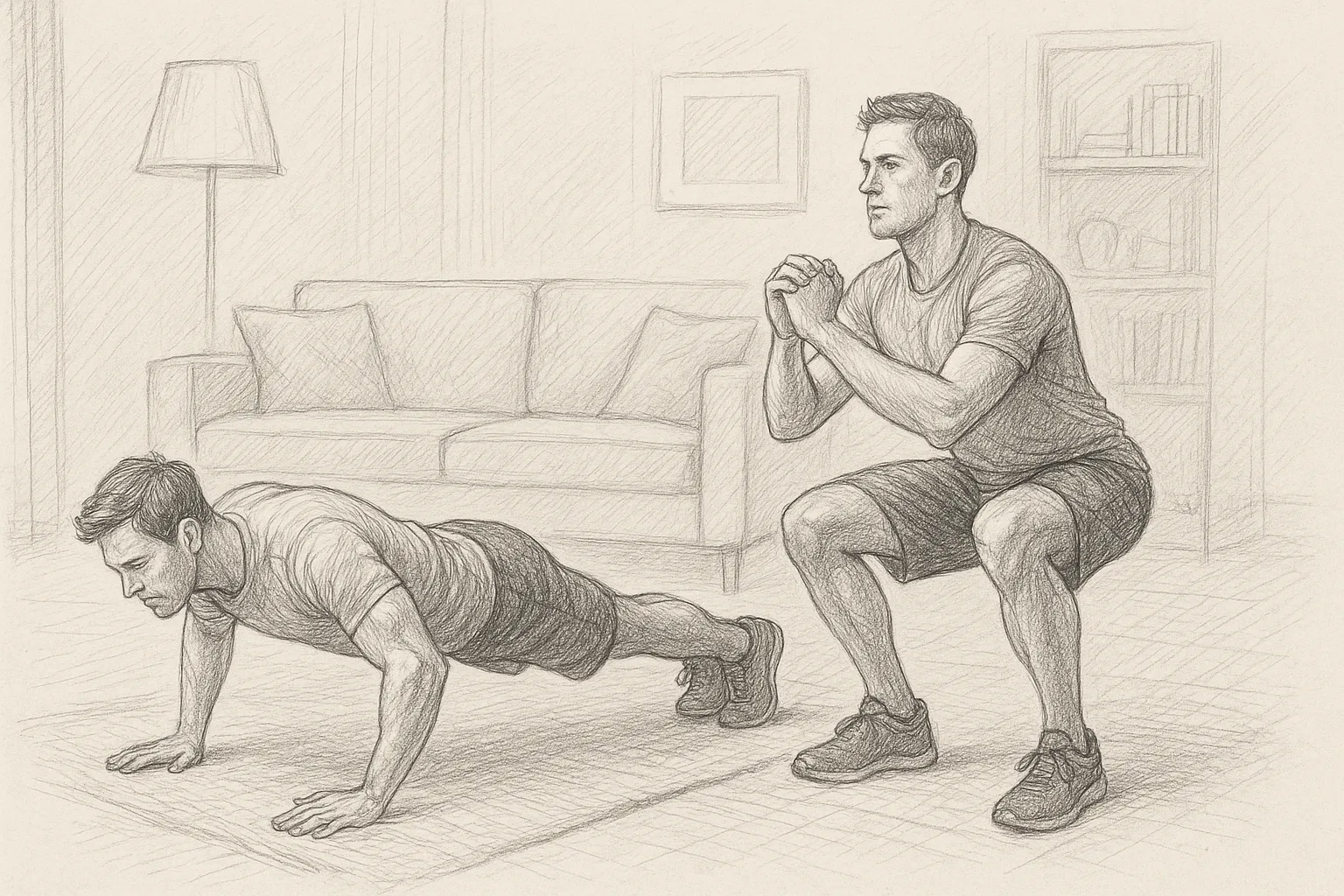
Beginner Strength Training with Bodyweight Exercises: Getting Started
Starting strength training can feel intimidating, but using your own bodyweight as resistance is one of the safest, most effective ways to build strength without needing any equipment. Whether your goal is to improve muscle tone, boost overall fitness, or simply feel stronger in daily activities, bodyweight exercises offer a flexible and accessible approach for beginners.
Why Choose Bodyweight Exercises?
- Accessibility: No gym, weights, or special gear needed – you can do these exercises anywhere.
- Safety: Bodyweight exercises reduce the risk of injury associated with heavy weights because you control the movement and intensity.
- Functional strength: These exercises mimic everyday movements, helping you build strength that translates to real life.
- Progressive challenge: You can easily modify exercises to suit your fitness level and gradually increase difficulty.
Step-by-Step Guide to Starting Bodyweight Strength Training
1. Set Realistic Goals
Start by thinking about what you want to achieve. Are you aiming for general fitness, muscle tone, improved posture, or injury prevention? Clear goals help you stay motivated and choose appropriate exercises.
2. Learn Proper Form
Good technique is essential to avoid injury and get the most benefit. Take time to watch tutorials from reliable sources or consider a session with a fitness professional to learn correct posture and movement.
3. Begin with Basic Exercises
Start with simple, foundational movements that target major muscle groups. Here are some beginner-friendly bodyweight exercises:
- Squats: Strengthen legs and glutes.
- Wall Push-ups: A gentler push-up variation to build upper body strength.
- Glute Bridges: Activate your hips and lower back.
- Planks: Improve core stability.
- Bird-Dogs: Enhance balance and back strength.
4. Develop a Routine
Consistency is key. Aim for 2-3 sessions per week, leaving rest days in between for recovery. A simple routine might look like this:
- Warm-up: 5 minutes of light cardio or dynamic stretching.
- Exercise circuit: Perform each exercise for 30 seconds to 1 minute, rest 30 seconds, repeat 2-3 rounds.
- Cool-down: Gentle stretching focusing on muscles worked.
5. Progress Gradually
As exercises become easier, increase the challenge by:
- Adding more repetitions or longer duration.
- Trying more advanced variations (e.g., moving from wall push-ups to knee push-ups, then standard push-ups).
- Reducing rest time between exercises.
6. Listen to Your Body
Pay attention to how you feel during and after workouts. Mild muscle soreness is normal, but sharp pain is a warning sign. Adjust exercises or seek guidance if something doesn’t feel right.
Common Myths About Bodyweight Strength Training
Myth 1: Bodyweight Exercises Aren’t Effective for Building Muscle
While lifting heavy weights is a traditional way to build muscle, bodyweight exercises can also promote muscle growth, especially for beginners. By increasing repetitions, trying tougher variations, and focusing on controlled movements, you can see real strength gains.
Myth 2: You Need a Gym to Get Strong
Many people believe that strength training requires gym machines or free weights. In reality, your body provides all the resistance you need, making it easy to start at home or outdoors.
Myth 3: Bodyweight Training Is Only for Young or Fit People
Bodyweight exercises can be adapted for all ages and fitness levels. From gentle movements for seniors to challenging routines for experienced exercisers, there’s something for everyone.
Myth 4: You Must Do Long Workouts to See Benefits
Short, consistent sessions are often more sustainable and just as effective as long workouts. Even 15-20 minutes a few times a week can improve strength and wellbeing.
Tips for Making Bodyweight Strength Training a Sustainable Habit
- Schedule workouts: Treat your sessions like appointments to build consistency.
- Create a dedicated space: Have a comfortable spot at home to exercise, making it easy to start.
- Track your progress: Keep a simple journal or use an app to note exercises, reps, and how you feel.
- Mix it up: Prevent boredom by trying new exercises or adjusting your routine every few weeks.
- Stay patient: Strength improvements take time. Celebrate small wins and keep going.
Additional Benefits of Bodyweight Strength Training
Beyond building muscle, regular bodyweight training can improve your posture, increase bone density, enhance balance and coordination, and support mental wellbeing by reducing stress and boosting confidence.
Conclusion
Starting strength training with bodyweight exercises is a practical, effective way to improve your fitness and wellbeing without needing special equipment or a gym membership. By setting realistic goals, learning proper form, and gradually increasing the challenge, you can build sustainable habits that support your health long term. Remember to listen to your body, stay consistent, and enjoy the process of becoming stronger every day.
This article provides general educational information only and is not a substitute for professional medical advice. Always consult a qualified healthcare professional for personal guidance.