
Series: Finance for Kids
Phase 8: Money Activities & Games — Part 90 of 166
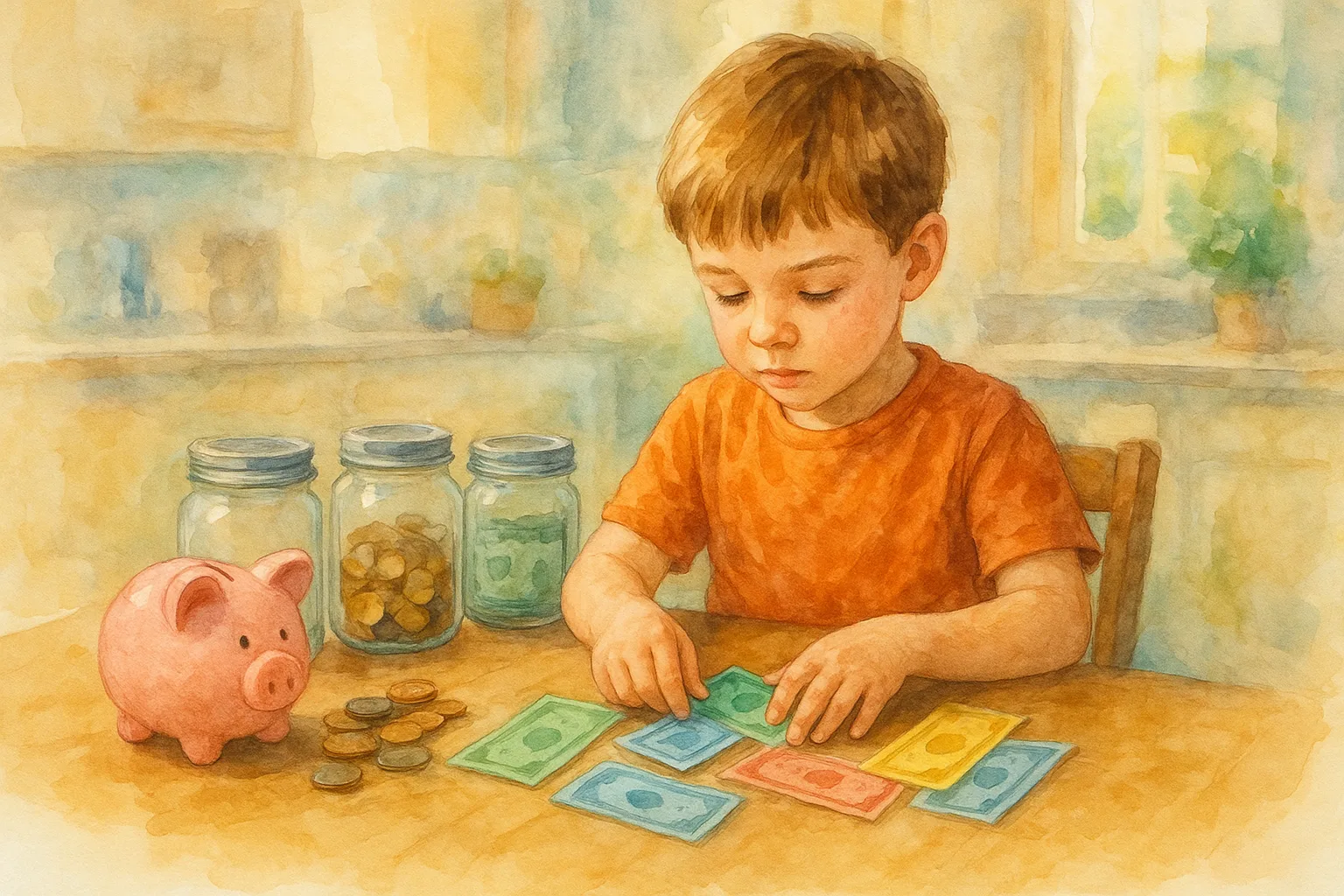
DIY Money Lessons Using Household Items
Teaching kids about money is a crucial part of their development. It helps them understand the value of earning, saving, and spending wisely. The good news is, you don’t need fancy tools or expensive materials to teach these lessons! You can use everyday household items to create fun and engaging activities. Here are some simple DIY money lessons that will make learning about finance exciting for your little ones.
1. Create a Savings Jar
One of the best ways to teach kids about saving is through a savings jar. This activity encourages them to save money for something special.
What You’ll Need:
- A clean jar or container
- Decorative materials (stickers, markers, etc.)
- Coins or notes (if available)
Steps:
- Let your child decorate the jar. They can use stickers, markers, or anything else to make it personal.
- Discuss what they are saving for. It could be a toy, a book, or even a fun day out.
- Encourage them to add spare coins or money they earn from chores into the jar regularly.
- Set a date to open the jar and see how much they have saved!
2. Budgeting with Play Money
Using play money can help children understand budgeting and how to manage spending. It’s a practical way to bring financial concepts to life.
What You’ll Need:
- Play money (you can make your own using paper)
- Household items for ‘shopping’
Steps:
- Set up a mini shop using items from around the house, such as snacks, toys, or books.
- Give your child a set amount of play money to spend.
- Help them decide how to spend their money wisely on the items they want.
- Discuss the importance of budgeting and how they can make choices based on their money.
3. Coin Sorting Game
Sorting coins is a great way to teach kids about money denominations and counting. It’s also a fun, hands-on activity.
What You’ll Need:
- Coins from your change jar
- Containers or small bowls
Steps:
- Gather a variety of coins (1p, 2p, 5p, etc.) and place them in a pile.
- Ask your child to sort the coins into different containers based on their value.
- Once sorted, you can help them count how much money they have in each container.
- Discuss the value of each coin and how they can be used in everyday transactions.
4. Needs vs. Wants Activity
Understanding the difference between needs and wants is fundamental in making smart financial choices. This activity helps kids identify what is essential versus what is a luxury.
What You’ll Need:
- Paper and crayons or markers
Steps:
- Ask your child to draw two columns on a piece of paper: one for needs and one for wants.
- Help them brainstorm and list items under each category. For example, food and shelter go under needs, while toys and candy go under wants.
- Discuss why it is important to prioritise needs before wants.
5. The Spending Challenge
This fun challenge encourages children to think critically about their spending habits.
What You’ll Need:
- A notebook
- A pen or pencil
Steps:
- Set a specific time frame (like a week) for your child to track their spending.
- They should write down every time they spend money, even if it’s just a small amount.
- At the end of the week, review the notebook together and discuss their spending choices.
- Encourage them to think about how they could save or spend differently next time.
Common Myths About Money Learning
There are some common myths about teaching kids financial literacy that can hold parents back:
- Myth 1: It’s too early to teach kids about money.
- Truth: Kids can start learning about money as early as preschool through simple activities.
- Myth 2: Money lessons are boring.
- Truth: Money lessons can be fun and engaging with the right approach and activities.
- Myth 3: Kids only learn about money in school.
- Truth: Parents play a crucial role in teaching financial skills at home.
Conclusion
Teaching kids about money doesn’t have to be complicated or dull. Using household items, you can create fun, hands-on activities that make financial learning enjoyable. The skills they learn now will help them make wise money choices in the future. Start these lessons today and watch your child grow into a financially savvy individual!
This article provides general educational information only and is not financial advice. Always seek guidance from a qualified professional for personal financial decisions.
Previous: Apps That Help Kids Learn About Saving and Spending
Next: How to Teach Kids About Money Through Storybooks