
Series: Finance for Kids
Phase 8: Money Activities & Games — Part 89 of 166
Introduction
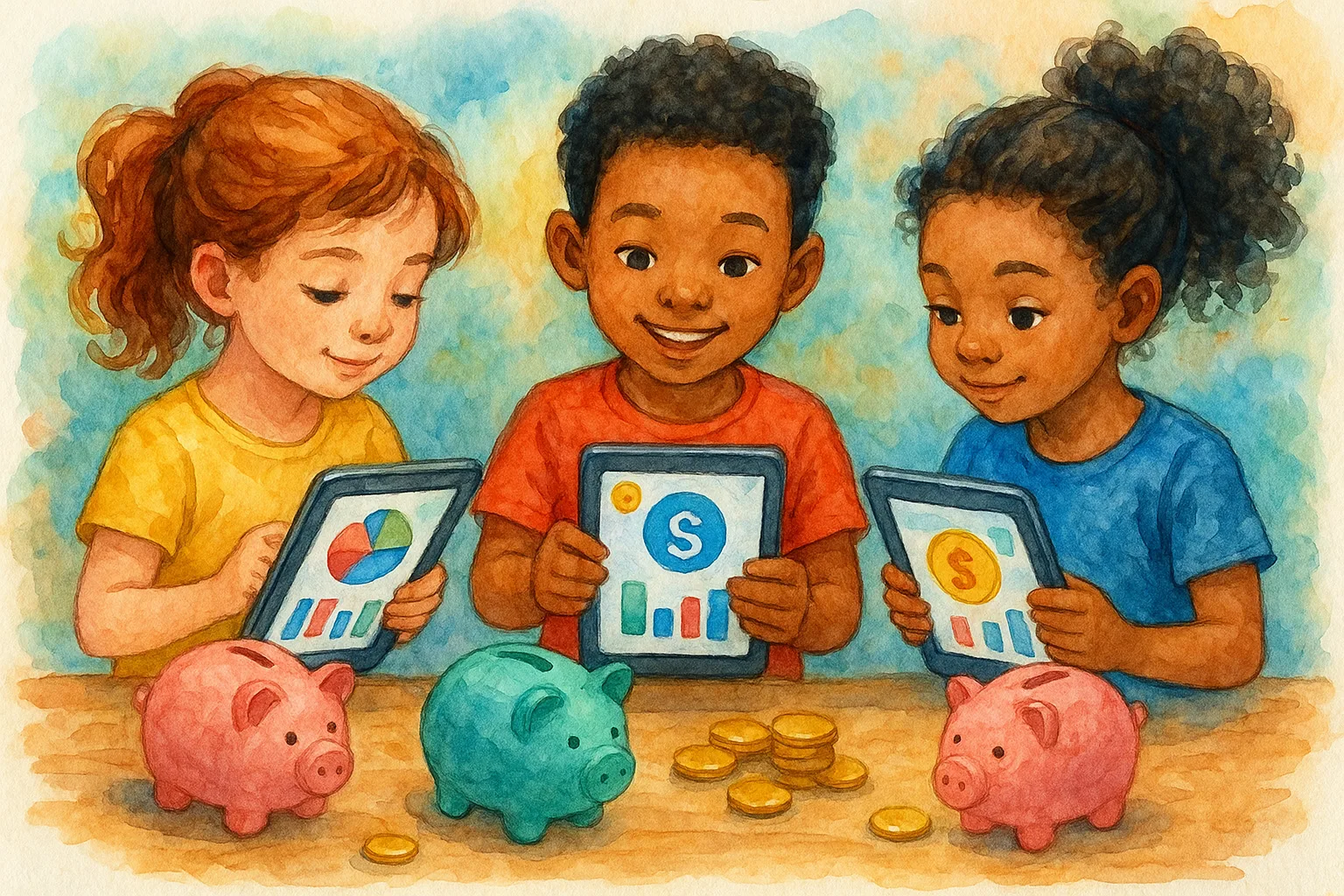
In today’s digital world, children are growing up with technology at their fingertips. With so many tools available, why not use apps to help kids learn about money? Teaching them about saving and spending from a young age can build strong financial habits for their future. In this article, we’ll explore some fun apps that make learning about money enjoyable, along with practical tips on how to use them effectively.
Why Use Apps for Money Learning?
Apps can turn financial education into an engaging game! Children are often more excited to learn when they can play with interactive tools. Many apps use colourful graphics, fun characters, and challenges to capture kids’ attention. Here are some benefits of using apps:
- Interactive Learning: Kids can learn by doing, which helps them remember concepts better.
- Visual Representation: Many apps show money visually, making it easier for kids to understand how saving and spending work.
- Real-Life Simulations: Some apps simulate real-life scenarios, helping kids make decisions about spending and saving.
Apps to Consider
1. Piggy Banking Apps
These apps help children manage their virtual piggy banks. They can set savings goals, track their progress, and even learn about interest. Kids can allocate money to different categories like spending, saving, and giving.
2. Budgeting Games
Budgeting games make learning about money fun! Kids can earn points by completing tasks or challenges, such as budgeting for a virtual trip or planning a party. These games teach them how to allocate money wisely.
3. Allowance Trackers
These apps help kids track their allowance and any extra money they earn. They can see how much they have saved, how much they can spend, and set goals for future purchases.
Step-by-Step Tips for Using Apps
Using apps together with your child can enhance their learning experience. Here are some practical steps:
- Choose the Right App: Look for apps that are age-appropriate and align with your child’s interests.
- Set Up Together: Help your child set up the app. Show them how to create a savings goal or budget.
- Play Regularly: Schedule regular times to explore the app together. This can create a fun routine around money management.
- Discuss Their Choices: Talk about the decisions they make in the app. Ask questions like, “Why did you choose to save this much?” or “What did you learn from your spending?”
- Encourage Real-Life Application: Relate the app lessons to real-life situations. For example, if they’re saving for a toy, discuss how they can earn money or save part of their allowance.
Myths About Kids and Financial Apps
There are a few common myths about kids and learning about money through apps. Let’s clear them up:
- Myth 1: Kids are too young to learn about money. Fact: Children can start learning about money concepts as early as age five!
- Myth 2: Apps are just for entertainment. Fact: Many apps are designed to be educational and can teach valuable life skills.
- Myth 3: Learning about money is boring. Fact: When done right, learning about finance can be fun and exciting!
Conclusion
Using apps to teach kids about saving and spending is a fantastic way to make financial education enjoyable. By choosing the right apps and engaging with your child, you can help them build essential money management skills. Remember, the earlier they learn these skills, the better prepared they will be for the future!
This article provides general educational information only and is not financial advice. Always seek guidance from a qualified professional for personal financial decisions.
Previous: Simple Math Games That Build Money Confidence
Next: DIY Money Lessons Using Household Items