
Series: Finance for Kids
Phase 8: Money Activities & Games — Part 92 of 166
Introduction
Teaching kids about saving money can be a rewarding experience. Using fun activities can make learning enjoyable and memorable. In this article, we will explore creative ways to help children understand the value of saving. You’ll find practical ideas and step-by-step tips that can easily fit into daily life.
Why Saving is Important
Before diving into activities, it’s helpful to explain why saving money matters. Saving allows kids to:
- Buy things they want in the future, like toys or games.
- Learn to manage money responsibly.
- Prepare for emergencies or unexpected expenses.
Understanding these points will motivate children to save!
Fun Activities to Teach Kids About Saving
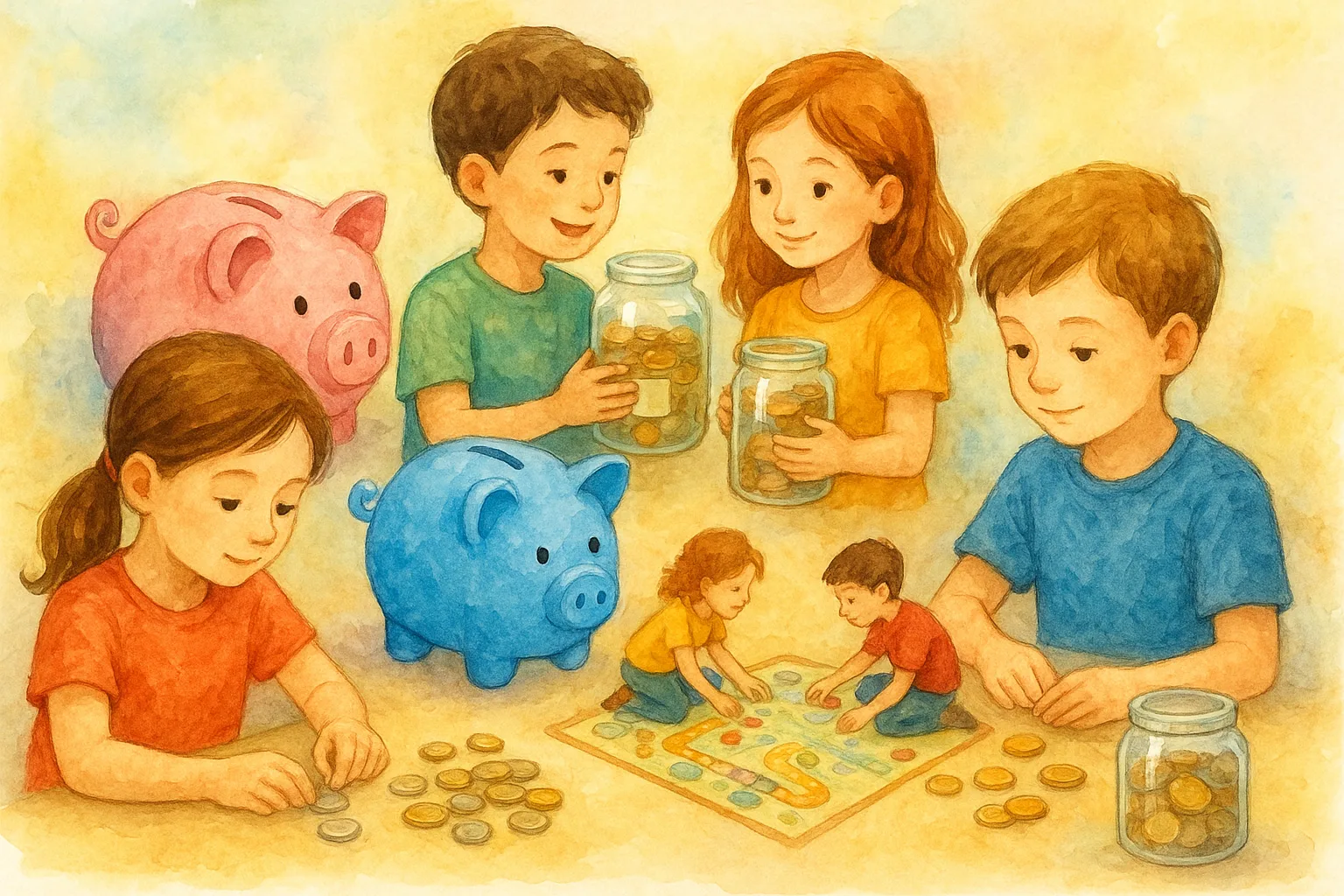
1. Create a Savings Jar
One of the simplest ways to start saving is by creating a savings jar. Here’s how:
- Gather Materials: Find an empty jar or a container. Decorate it with stickers or paint to make it personal.
- Set a Savings Goal: Talk to your child about what they want to save for. It could be a new toy, a book, or even a special outing.
- Count the Money: Whenever your child gets pocket money or finds coins, encourage them to add it to the jar.
- Track Progress: Create a chart to track how close they are to their goal.
This hands-on activity helps children see their savings grow!
2. Play the Savings Game
Turn saving into a fun game. Here’s a simple way to do it:
- Set Up the Game: Use play money or real coins. Each player starts with a set amount.
- Introduce Spending Opportunities: Create scenarios where players can spend money on fun items or services, like snacks or toys.
- Introduce Savings Choices: Allow players to save some of their money instead of spending it. Discuss the benefits of saving.
- Reflect: After the game, talk about how much was saved and spent, and what choices led to savings.
This game teaches kids about the balance between spending and saving in a fun way!
3. Save for a Special Outing
Involve your child in planning a special family outing. Here’s how to incorporate saving:
- Decide on an Outing: Choose a place to visit, like a zoo, amusement park, or museum.
- Estimate Costs: Discuss how much the outing will cost, including travel, food, and entry fees.
- Set a Savings Plan: Create a savings plan where your child can contribute a portion of their pocket money each week toward the outing.
- Celebrate the Outing: Once the goal is reached, enjoy the outing together and reflect on how saving made it possible.
This activity shows children how saving leads to enjoyable experiences.
4. Use a Reward Chart
A reward chart can be a motivating way to encourage saving. Here’s how to set it up:
- Create the Chart: Make a chart with spaces for goals and rewards. Each time your child saves, they can mark a space.
- Set Goals: Define small savings goals and corresponding rewards. For example, saving £5 could earn them a small treat.
- Track Progress: Celebrate each achievement with a fun activity or treat when they reach a goal.
This visual representation encourages children to save consistently.
5. Read Books About Money
Reading is a great way to teach kids about money concepts. Here are some ideas:
- Find age-appropriate books that focus on saving, spending, and the value of money.
- Discuss the stories and ask questions about the characters’ choices.
- Encourage your child to share their thoughts on how they would handle similar situations.
This helps reinforce lessons learned in a relatable way!
Common Myths About Saving
When teaching kids about saving, it’s essential to clear up some common myths:
- Myth 1: Saving money is boring. Truth: Saving can be fun and rewarding, especially when it leads to something exciting.
- Myth 2: Kids can’t save much money. Truth: Every little bit counts. Even small amounts can add up over time.
- Myth 3: Saving is only for adults. Truth: Kids can learn to save from a young age, and it sets them up for future success.
Conclusion
Teaching kids about saving can be enjoyable with the right activities. By engaging them in fun ways, you can help them understand the importance of saving and how it can lead to fulfilling their dreams. Start with simple activities and watch their savings grow!
This article provides general educational information only and is not financial advice. Always seek guidance from a qualified professional for personal financial decisions.
Previous: How to Teach Kids About Money Through Storybooks
Next: DIY Piggy Banks Kids Can Create at Home