
How to Increase Protein Intake Without Overeating
Protein is an essential nutrient that supports muscle repair, immune function, and overall wellbeing. Many people aim to increase their protein intake to support fitness goals or improve their diet. However, it’s important to do so without simply eating more food overall, which can lead to unwanted weight gain or digestive discomfort. In this article, we’ll explore practical, sustainable ways to increase your protein intake without overeating, including comparisons of common protein sources like whey, casein, soy, and pea protein.
Why Protein Matters
Protein is made up of amino acids, the building blocks of our body’s tissues. It helps maintain muscle mass, especially as we age, supports healthy skin and nails, and plays a role in hormone production and immune health. Adults generally need about 0.75 to 1 gram of protein per kilogram of body weight each day, but individual needs vary depending on activity level, age, and health goals.
Increasing your protein intake can help you feel fuller for longer, which supports weight management. But it’s a balance—consuming too many calories, even from protein, can lead to overeating and weight gain.
Step-by-Step Tips to Increase Protein Intake Without Overeating
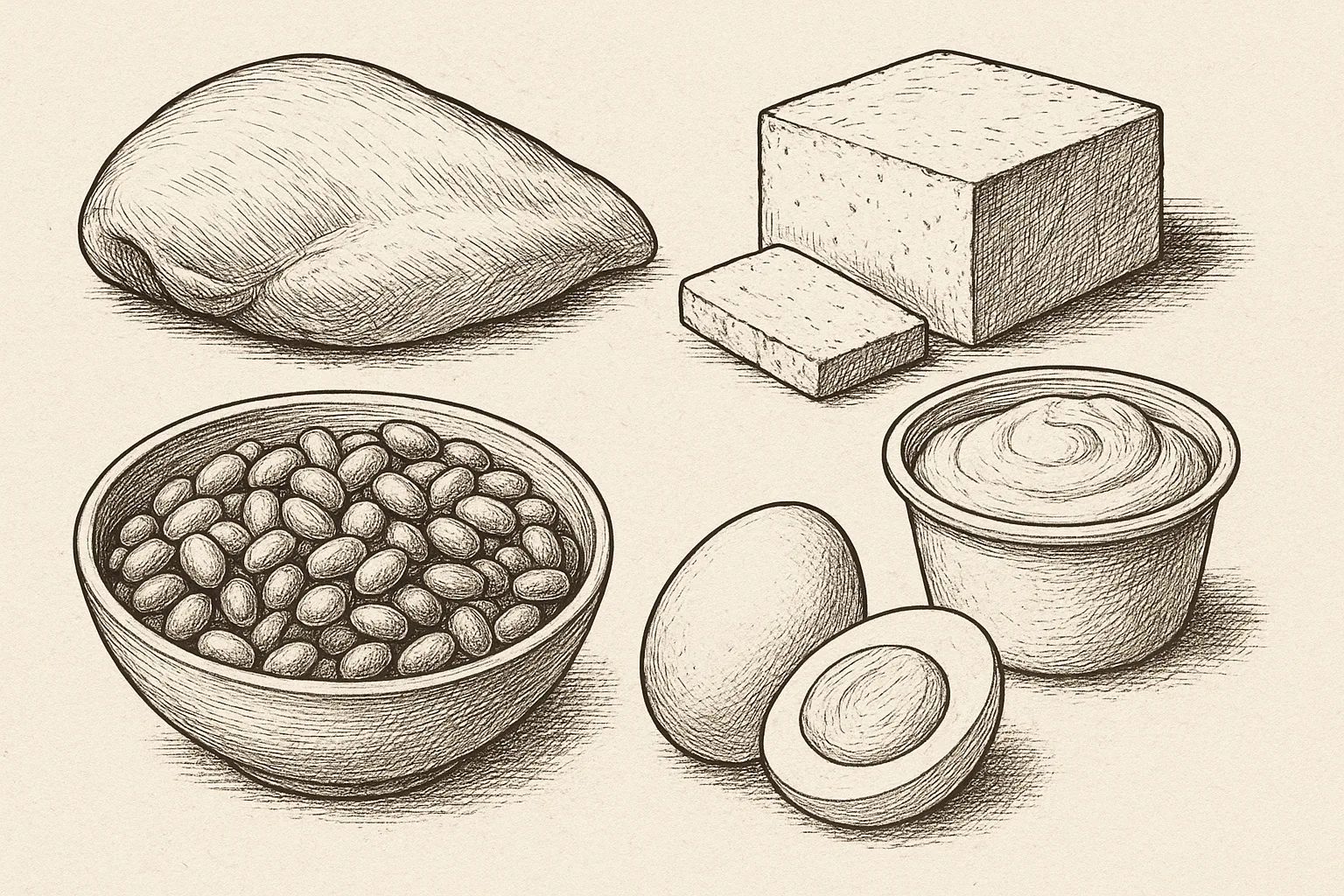
- Choose High-Protein, Low-Calorie Foods Swap lower-protein foods for high-protein options that don’t add too many calories. For example, lean meats, fish, eggs, Greek yoghurt, cottage cheese, lentils, and beans are excellent choices that pack protein without excess fat or sugar.
- Incorporate Protein into Every Meal Aim to include a source of protein with each meal and snack. This helps distribute your intake evenly and keeps you feeling satisfied. For breakfast, try eggs or Greek yoghurt; for lunch and dinner, add chicken, tofu, or legumes; snacks could be nuts or a small portion of cheese.
- Use Protein Powders Wisely Protein powders can be convenient to boost intake, especially if you’re active. Whey protein is quickly absorbed and great post-exercise, while casein digests slowly, making it ideal before bedtime. Plant-based options like soy or pea protein are good alternatives if you’re vegan or lactose intolerant. Use these powders to complement meals rather than replace them.
- Be Mindful of Portion Sizes More protein doesn’t always mean better results. Pay attention to portion sizes to avoid adding too many calories. Use measuring cups or a food scale to get a sense of reasonable servings, especially when starting out.
- Combine Protein with Fibre-Rich Foods Pairing protein with fibre-rich vegetables, whole grains, or fruits can help slow digestion and keep you feeling full longer. Examples include grilled chicken with steamed broccoli or a lentil salad with mixed greens.
- Plan and Prepare Meals Ahead Planning your meals helps ensure you have balanced options with enough protein ready to go. Batch cooking lean proteins and portioning them for the week can prevent last-minute unhealthy choices.
- Limit Processed and High-Fat Protein Sources Processed meats and protein bars often contain added sugars, unhealthy fats, or excess salt. Choosing whole, minimally processed protein sources supports better health and helps avoid overeating triggered by highly palatable foods.
Comparing Common Protein Sources: Whey, Casein, Soy, and Pea
Understanding the differences between popular protein powders can help you choose the best option for your needs:
- Whey Protein: Derived from milk, whey is quickly absorbed and contains all essential amino acids. It’s ideal for muscle recovery after exercise. However, some people may be lactose intolerant or allergic.
- Casein Protein: Also from milk, casein digests slowly, providing a steady release of amino acids. This makes it useful before sleep to help muscle repair overnight.
- Soy Protein: A plant-based complete protein that is suitable for vegetarians or vegans. It contains beneficial compounds called isoflavones but may not be suitable for those with soy allergies.
- Pea Protein: Another plant-based option, pea protein is hypoallergenic and rich in branched-chain amino acids, though it’s not a complete protein on its own. Combining it with other plant proteins can provide a full amino acid profile.
Choosing between these depends on dietary preferences, allergies, and digestion. Remember, whole food sources of protein are also important and should be the foundation of your diet.
Common Myths About Increasing Protein Intake
- Myth 1: “More protein means more muscle.” While protein supports muscle growth, excessive intake won’t build muscle faster. Balanced training and adequate overall nutrition are key.
- Myth 2: “Protein makes you gain weight.” Protein itself doesn’t cause weight gain. Consuming more calories than you burn, from any nutrient, leads to weight gain.
- Myth 3: “Plant proteins are incomplete and less effective.” Many plant proteins, like soy, are complete. Combining different plant sources can also provide all essential amino acids.
- Myth 4: “Protein powders are necessary to get enough protein.” You can meet protein needs with whole foods alone. Powders are helpful for convenience but not essential.
Practical Daily Example to Boost Protein Intake
- Breakfast: Scrambled eggs with spinach and a slice of wholegrain toast.
- Snack: Greek yoghurt with a handful of berries.
- Lunch: Grilled chicken salad with mixed vegetables and quinoa.
- Snack: A small portion of mixed nuts or a pea protein smoothie with banana.
- Dinner: Baked salmon with steamed broccoli and sweet potato.
- Evening (optional): Casein protein shake or cottage cheese to support overnight muscle repair.
Conclusion
Increasing your protein intake without overeating is achievable by choosing high-quality protein sources, incorporating protein evenly throughout the day, and focusing on whole foods. Being mindful of portion sizes and integrating plant-based or dairy-derived protein powders can provide an extra boost without adding unnecessary calories. Avoid common myths and remember that balance, variety, and consistency are the keys to sustainable habits that support your health and wellbeing.
This article provides general educational information only and is not a substitute for professional medical advice. Always consult a qualified healthcare professional for personal guidance.