
Series: History of Solan, Himachal Pradesh, India
Phase 2: Medieval Period — Part 10 of 30
This article forms part of a continuing series that follows the gradual emergence of organised power in the western Himalayas. As small communities gave way to clans, chieftainships, and hill states, patterns of rule, alliance, and conflict began to take shape. This phase examines how authority was negotiated through land, ritual, and warfare, laying the groundwork for regional kingdoms that would dominate the medieval landscape.
The Dawn over Shoolini Temple
As the first rays of the Himalayan sun crested the pine-clad ridges above Solan, the air filled with the low hum of devotional chants. In the heart of the valley, villagers—draped in woolen shawls against the morning chill—moved in a steady stream toward the sacred Shoolini Temple. Its stone threshold, worn smooth by generations, bore silent witness to centuries of faith. Here, on a morning not so different from any in the late 16th century, the lines between the mundane and the divine seemed to blur. The scent of incense, mingled with wild rhododendron, drifted across the hillside, inviting all who passed to pause, reflect, and remember their place in a world shaped by gods and men alike.
Early Roots: Faith Amidst the Forests
Centuries before British surveyors would mark Solan’s boundaries, these valleys and crags belonged to an intricate web of local clans. Life revolved around cycles of the earth and the rhythms of the monsoon, but above all, it circled the temples—the small shrines and grand sanctuaries nestled in forests or perched on rocky promontories. Oral traditions hold that even before the rise of regional dynasties, shepherds and farmers left offerings at sacred groves, believing that the land itself was alive with spirit.
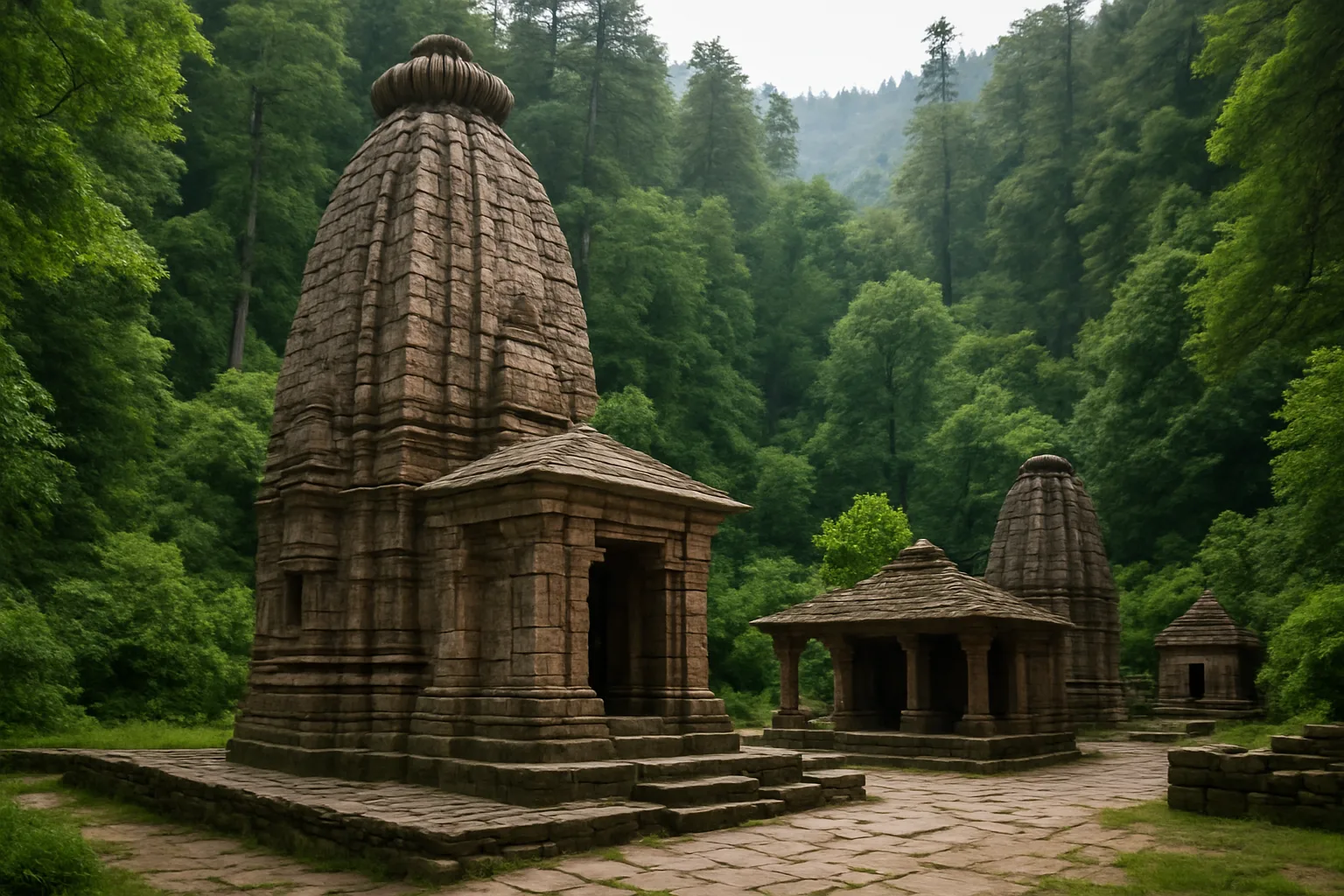
The most enduring of these early temples was the site dedicated to Shoolini Devi—a fearsome yet benevolent form of the goddess Durga. The earliest stone remnants suggest that the temple’s foundation predates the 15th century, likely built atop even older wooden structures. Locals believed the goddess watched over the valley’s harvests and its defenses, her favor essential for prosperity and survival.
Dynastic Patronage: Temples as Symbols of Power
The medieval period brought new players to Solan’s landscape. As the powerful rulers of Baghat and neighboring states consolidated their authority through the 16th and 17th centuries, they turned to the temples to legitimize their rule. Maharaja Amar Singh of Baghat is remembered for expanding the Shoolini Temple, commissioning elaborate woodwork and stone carvings that still adorn its sanctum today.
For these chieftains, supporting temple construction and festivals was more than piety—it was politics. Processions through Solan’s narrow lanes, led by priests and nobles, became public displays of unity and divine favor. The annual Shoolini Mela, which may have its roots in this period, drew people from distant valleys. Here, alliances were forged, disputes settled, and the region’s shifting loyalties played out under the watchful gaze of the goddess.
Everyday Devotion: The Pulse of Village Life
While the grand temples commanded attention, faith in Solan was far from confined to their walls. Every village boasted its own shrine, often a modest stone platform beneath a deodar tree, where families offered ghee lamps and marigolds. Traveling bards recited the deeds of gods and heroes, passing down stories that bound the community together in shared belief.
Women, entrusted as keepers of tradition, led household rituals and seasonal fasts. During harvest, it was custom to bring the first sheaves of grain to the temple, seeking blessings for the year ahead. The rhythm of daily life—births, marriages, even the naming of children—unfolded in the shadow of these sacred sites, each event woven into the spiritual fabric of the valley.
Faith in Times of Turmoil
The medieval era was not without its storms. Political rivalries, bandit raids, and the looming threat of Mughal incursions cast long shadows. Yet in times of uncertainty, the temples of Solan became sanctuaries—not just for prayer, but for community resilience. Stories abound of villagers hiding precious relics during invasions, or gathering in secret to maintain their rituals when conflict made open worship dangerous.
One tale lingers in the local imagination: During a period of heavy taxation imposed by a neighboring raja, the priests of Shoolini temple are said to have distributed grain and coins from temple stores, sustaining the people through a harsh winter. Such acts transformed the temple from a religious center into a beacon of hope, a role that would be echoed in later centuries.
The Arrival of Pilgrims and the Spread of Influence
By the late 17th century, Solan’s temples attracted not only locals but also pilgrims from distant valleys—drawn by tales of miraculous healings and the growing reputation of Shoolini Devi. Small clusters of traders set up stalls during festivals, and wandering sadhus brought news from the far corners of the Himalayas. The region’s faith traditions, always fluid, began to absorb influences from neighboring cultures—new devotional songs, fresh rituals, and even architectural innovations.
The temples thus served as crossroads, places where ideas mingled as freely as goods. The expanding festival calendar mirrored the valley’s increasing diversity, with celebrations that honored not just the goddess but also local deities, folk heroes, and even the spirits of the forest. Faith in Solan, always rooted in place, was never static.
Legacy of Stone and Spirit
As the medieval period drew to a close, the temples of Solan stood as both monuments and living institutions. The Shoolini Temple’s stone spire, the intricate woodwork of village shrines, the faded wall paintings—all bore the marks of countless hands and hearts. Their stories survived in the chants of priests, the memories of elders, and the rituals performed beneath ancient trees.
Today, as the city of Solan grows and modern life weaves its own patterns, these temples remain vital threads in the tapestry. The annual Shoolini Mela still fills the air with music, color, and devotion. The same pathways once trod by chieftains and pilgrims now bustle with schoolchildren and traders. Faith, in its many forms, continues to offer a sense of belonging and continuity, a reminder that the richness of Solan’s past is never far from the present.
Previous: Agriculture and Rural Life in Medieval Solan
Next: Shoolini Devi: The Goddess Who Gave Solan Its Name