
High-Protein Vegetarian and Vegan Options for Active People
Whether you are an avid gym-goer, a weekend warrior, or someone who enjoys regular physical activity, protein plays a vital role in supporting your muscles, recovery, and overall wellbeing. For those following vegetarian or vegan diets, getting enough protein can sometimes feel tricky—but it’s absolutely achievable with the right foods and habits.
Why Protein Matters for Active People
Protein helps repair and build muscle tissue, supports immune function, and keeps you feeling fuller for longer. Active individuals often need more protein than those with a sedentary lifestyle to support recovery and improve performance. The good news is that many plant-based foods provide excellent protein sources, often with added benefits like fibre, vitamins, and minerals.
Top High-Protein Vegetarian and Vegan Foods
Here’s a handy guide to some of the best plant-based protein options for active people:
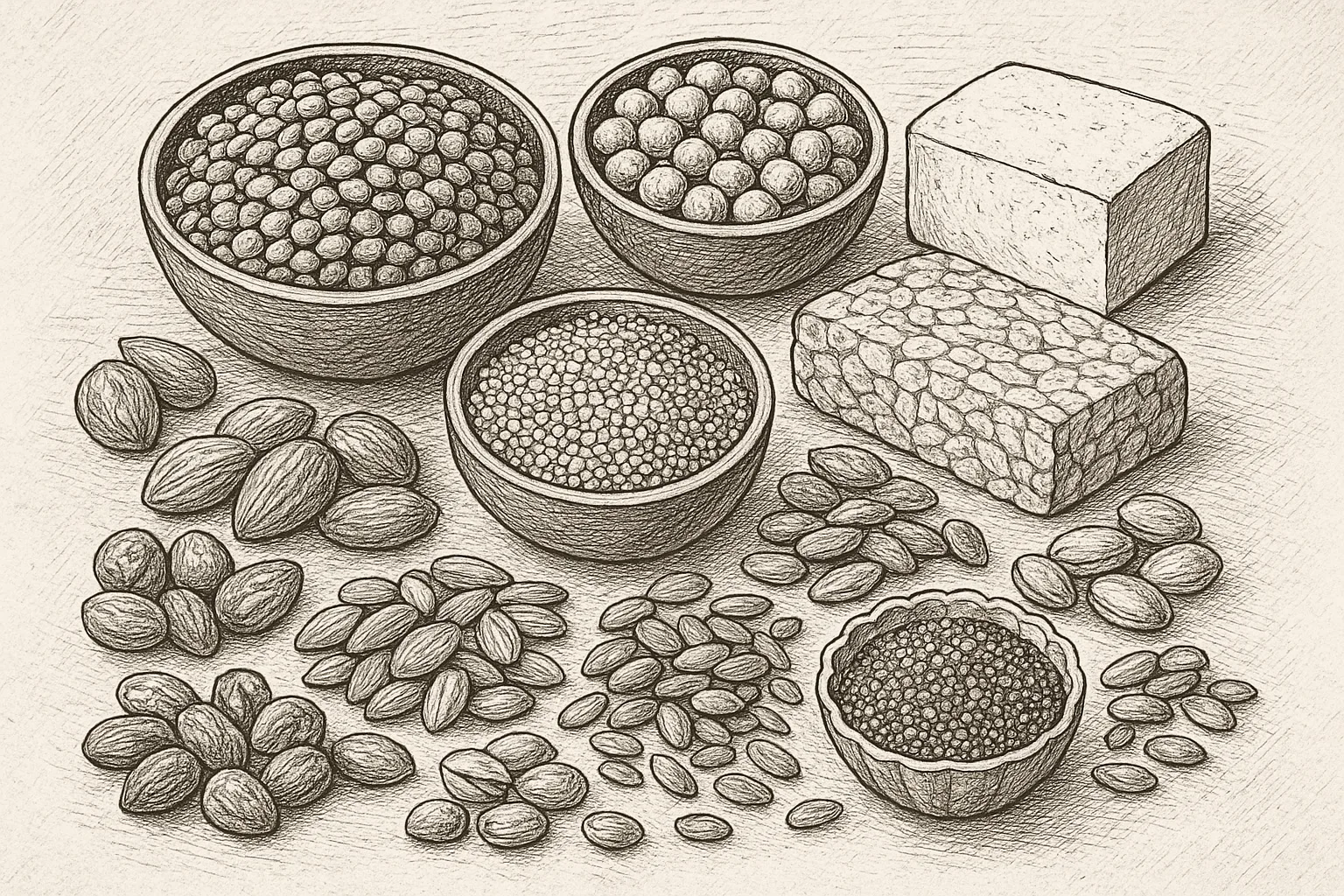
- Legumes: Beans, lentils, chickpeas, and peas are protein-rich and versatile. For example, 100g of cooked lentils contains around 9g of protein.
- Tofu and Tempeh: Both soy-based, these are complete proteins, meaning they provide all essential amino acids. Tempeh has a firmer texture and stronger flavour; 100g of tempeh offers about 19g of protein.
- Seitan: Made from wheat gluten, seitan is very high in protein (around 25g per 100g) and a popular meat alternative for vegetarians and vegans.
- Quinoa and Amaranth: These pseudocereals contain around 8g of protein per cooked cup and are also complete proteins.
- Nuts and Seeds: Almonds, chia seeds, hemp seeds, and pumpkin seeds provide protein plus healthy fats and fibre. For example, 30g of almonds has about 6g of protein.
- Edamame: Young soybeans are tasty snacks or meal additions, offering roughly 11g of protein per 100g.
- Whole Grains: Brown rice, oats, barley, and whole wheat contain moderate protein and complement other protein sources well.
Plant-Based Protein Comparisons
Some plant proteins are complete, while others lack one or more essential amino acids. Soy products like tofu, tempeh, and edamame are complete proteins, which is beneficial for muscle repair and growth. Quinoa and amaranth also fall into this category.
Legumes, grains, nuts, and seeds are often incomplete proteins individually, but combining them throughout the day—for example, rice with beans or hummus with whole wheat bread—can provide all essential amino acids. This approach is simple and sustainable rather than needing to combine proteins in every meal.
Step-by-Step Tips for Boosting Protein Intake
- Include Protein at Every Meal: Aim to add a source of protein, such as lentils, tofu, or nuts, to breakfast, lunch, and dinner.
- Snack Smart: Choose protein-rich snacks like roasted chickpeas, nut butter on whole grain toast, or a small handful of seeds.
- Experiment with Recipes: Try new meals like chickpea curry, tempeh stir-fry, or quinoa salad to keep your diet varied and interesting.
- Prepare Meals in Advance: Cooking large batches of beans, lentils, or grain bowls can save time and make it easier to meet protein goals.
- Use Plant-Based Protein Powders if Desired: While not necessary, pea, rice, or soy protein powders can be handy for busy days or post-workout shakes.
- Stay Hydrated and Balanced: Drinking enough water and eating a range of fruits, vegetables, and healthy fats supports overall health alongside your protein intake.
Common Myths About Protein on Vegetarian and Vegan Diets
- Myth: Plant proteins are incomplete and not useful. Many plant proteins are complete or can be combined easily to provide all essential amino acids.
- Myth: You need animal protein to build muscle. Plant-based diets can support muscle growth effectively when protein needs are met.
- Myth: Vegetarians and vegans struggle to get enough protein. With a varied diet including legumes, grains, nuts, and soy products, protein requirements are achievable.
- Myth: Protein supplements are always necessary. Most people can meet protein needs through whole foods without supplements.
Practical Meal Ideas to Try Today
- Breakfast: Porridge made with oats, topped with chia seeds, almond butter, and berries.
- Lunch: Quinoa salad with chickpeas, roasted vegetables, and a tahini dressing.
- Dinner: Stir-fried tempeh with broccoli, bell peppers, and brown rice.
- Snack: Edamame pods sprinkled with sea salt or a handful of mixed nuts and seeds.
Building Sustainable Habits
Consistency is key when it comes to nutrition. Instead of aiming for perfection every day, focus on gradually including more plant-based protein sources into your meals and snacks. Planning ahead and experimenting with new recipes can make eating well enjoyable and sustainable long term.
Remember, your protein needs depend on your individual activity level, age, and goals. Listening to your body, tracking your meals if helpful, and seeking advice from nutrition professionals can support you on your active vegetarian or vegan journey.
Conclusion
Active people following vegetarian or vegan diets have a wide variety of high-protein options available, from legumes and soy products to nuts, seeds, and whole grains. By incorporating these foods regularly, staying mindful of protein combinations, and building practical habits, you can support muscle health and overall wellbeing effectively. Enjoy exploring new plant-based meals and find what works best for your lifestyle!
This article provides general educational information only and is not a substitute for professional medical advice. Always consult a qualified healthcare professional for personal guidance.