
Series: Finance for Kids
Phase 10: Giving & Values — Part 115 of 166
Explaining How Giving Can Be a Financial Habit
Helping children understand the concept of giving can be a wonderful way to teach them about money. Not only does it foster a sense of empathy, but it also encourages good financial habits. This article will guide you through why giving is important and how to make it a regular practice for your children.
The Importance of Giving
Giving is about sharing what we have with others, whether it’s money, time, or resources. When children learn to give, they develop valuable life skills. Here’s why giving is important:
- Builds Empathy: Understanding the needs of others helps children become caring adults.
- Creates a Sense of Community: Giving helps children feel connected to their community and understand the importance of helping one another.
- Fosters Gratitude: When children give, they appreciate what they have and learn the joy of making a difference.
Making Giving a Habit
Here are some simple steps to help your children make giving a regular habit:
1. Start with Conversations
Talk to your children about the importance of giving. Ask questions like:
- What does it mean to give?
- Who can we help in our community?
- How does giving make you feel?
These discussions will help them understand why giving matters.
2. Set Up a Giving Jar
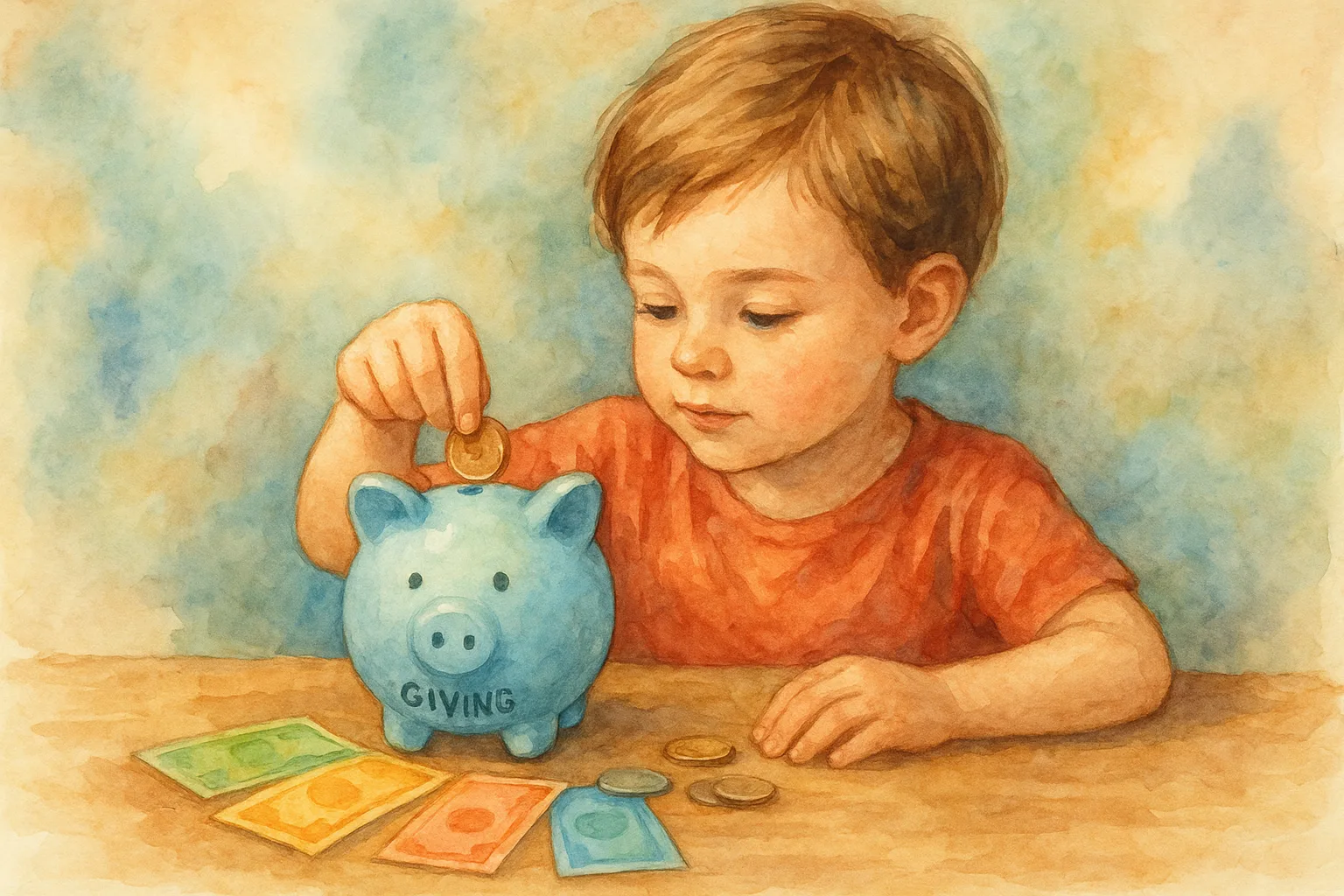
Create a special jar for your child to collect money for giving. You can use an old jar or buy something colourful. Encourage your child to add a small amount of their allowance or earnings whenever they can. This visual representation will help them see their contributions growing.
3. Choose Causes Together
Help your child explore different causes to support. This could be a local charity, an animal shelter, or even a school project. Allow them to choose a cause they care about, which will make the giving more meaningful to them.
4. Volunteer Time
Giving isn’t just about money. Encourage your child to volunteer their time. This could be helping at a local food bank, cleaning up a park, or spending time with the elderly. Volunteering teaches children the value of giving back without a financial transaction.
5. Celebrate Giving
When your child gives, celebrate the act! Share stories about the impact of their giving. You could even create a special family tradition where you all come together to discuss how you have helped others at the end of each month.
Myths About Giving
There are some common myths about giving that might confuse children and adults alike. Here are a few to clarify:
- Myth 1: You need to give a lot to make a difference. Truth: Every little bit counts. Small donations or acts of kindness can have a big impact.
- Myth 2: Giving is only for adults. Truth: Children can give too! They can contribute in many ways, like through time or small amounts of money.
- Myth 3: Giving is only about money. Truth: Giving can also mean sharing skills, talents, or time.
Encouraging a Lifelong Habit
As your child grows, continue to encourage them to maintain their giving habits. Remind them that money is one way to give, but there are many other ways to help too. Sharing knowledge, offering support, and being there for others are all valuable forms of giving.
By instilling the habit of giving from a young age, you are helping your child develop a sense of responsibility and community. They will carry these values with them throughout their lives, becoming compassionate and considerate adults.
Conclusion
Teaching children about giving is a valuable lesson in empathy and financial responsibility. By making it a regular habit, you help them understand the importance of supporting others and appreciating what they have. Remember, every act of giving, no matter how small, contributes to a better world.
This article provides general educational information only and is not financial advice. Always seek guidance from a qualified professional for personal financial decisions.
Previous: Saving, Spending, and Sharing: A Balanced Kid-Friendly System
Next: Story-Based Teaching: How Giving Helps Communities