
Series: Finance for Kids
Phase 10: Giving & Values — Part 114 of 166
Saving, Spending, and Sharing: A Balanced Kid-Friendly System
Teaching children about money is an important lesson that will benefit them throughout their lives. A balanced approach to money management involves three key areas: saving, spending, and sharing. This guide will help you explain these concepts to kids in a fun and engaging way.
Understanding Money Basics
Before diving into saving, spending, and sharing, it’s essential for kids to understand what money is. Money is a tool we use to buy things we need and want. It can come in coins, notes, or even digital forms. Encourage kids to think of money as a resource that can be used wisely.
1. Saving
Saving is about keeping some of the money you earn or receive for future use. This could be for something special, like a toy, or for emergencies. Here’s how you can teach kids to save:
- Set a Goal: Help them choose something they want to save for, like a new bike or a game. Encourage them to think about how much it costs.
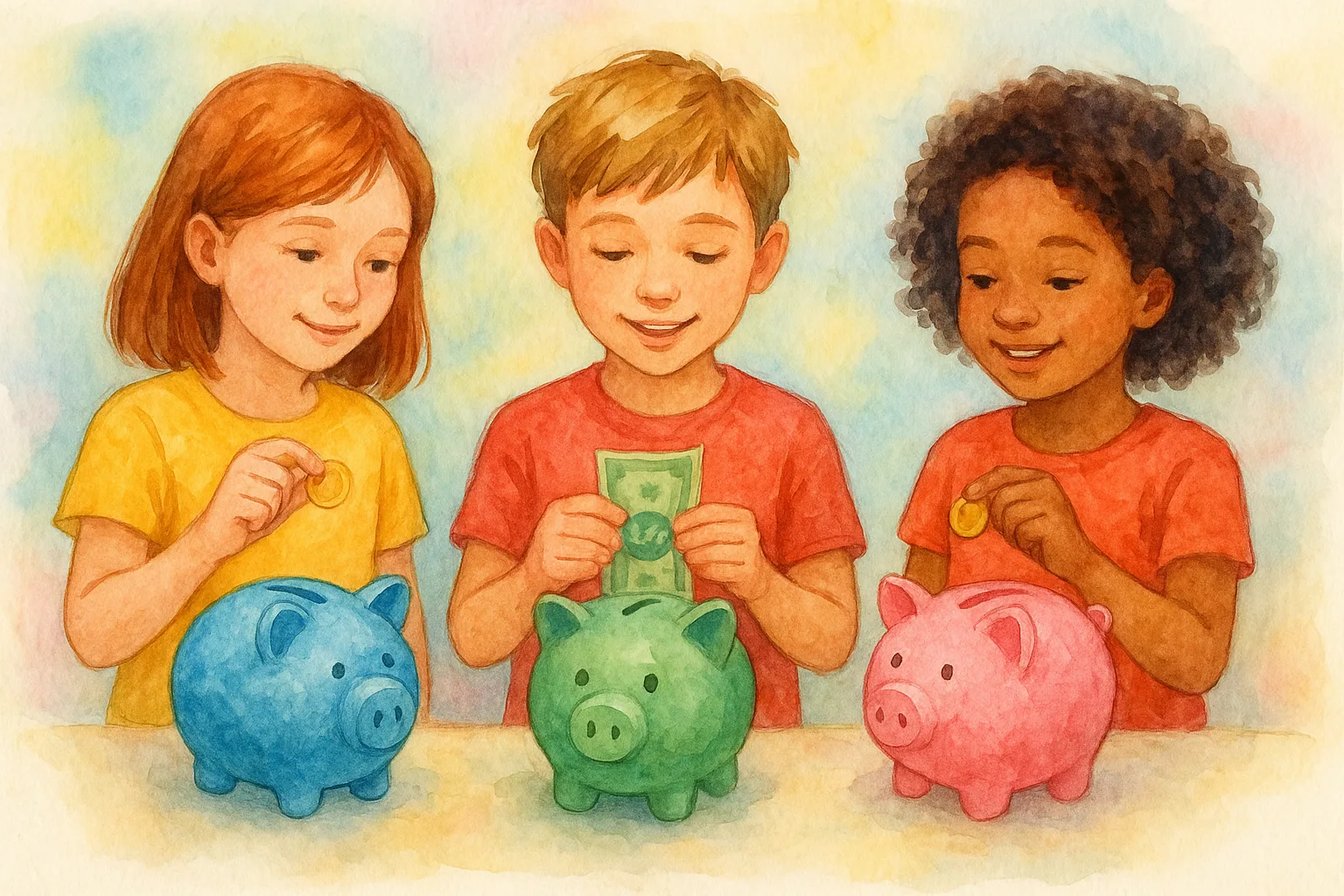
- Create a Savings Jar: Use a clear jar or a piggy bank. This allows kids to see their savings grow. They can decorate it to make it personal!
- Make Saving a Habit: Encourage kids to put aside a portion of any money they receive, whether it’s from chores, gifts, or allowances. A good rule is to save 50% of what they get.
Example of Saving
If a child receives £10, they could save £5 in their savings jar, spend £3 on a small treat, and share £2 with someone in need. This way, they practice saving while also enjoying their money and helping others.
2. Spending
Spending is when we use money to buy things. It’s important for kids to learn how to spend wisely. Here are some tips:
- Discuss Needs vs. Wants: Help kids understand the difference between what they need (like food and clothes) and what they want (like toys and sweets).
- Set a Budget: Teach them how to plan their spending. If they have £10, they need to decide how much to spend and how much to save.
- Think Before Spending: Encourage kids to wait before making a purchase. This helps them consider if they really want the item and if it fits within their budget.
Example of Spending
If a child wants to buy a new game that costs £8, they should check their savings jar. If they have enough saved up, they can decide whether to buy it immediately or wait to see if they still want it later.
3. Sharing
Sharing is a wonderful way to teach kids about kindness and generosity. It involves giving some of their money or resources to help others. Here are some ways to encourage sharing:
- Choose a Cause: Help kids find a charity or cause they care about. This could be helping animals, children, or the environment.
- Set Aside a Sharing Amount: Just like with saving, encourage kids to set aside a portion of their money for sharing. This can be 10% of what they earn.
- Get Involved: Participate in community service or charity events together. This will show kids the impact of sharing and giving back.
Example of Sharing
If a child earns £10, they might choose to share £1 with a local charity. They can see that even a small amount can make a difference.
Step-by-Step Tips for a Balanced Approach
Here’s a simple plan to help kids balance saving, spending, and sharing:
- Introduce the Jar System: Use three jars or containers labelled ‘Save’, ‘Spend’, and ‘Share’. This visual approach helps kids understand where their money goes.
- Set Clear Goals: Have regular discussions about their savings goals, spending plans, and sharing ideas.
- Make It Fun: Use games or challenges to encourage good financial habits. For example, who can save the most in a month?
- Review Regularly: Check in with kids about their jars. Celebrate when they reach a savings goal or make a thoughtful purchase.
Common Myths About Money
Here are some myths about money that you can clear up for kids:
- Myth 1: Money is only for buying things. Truth: Money can also be used to save for the future and help others.
- Myth 2: You should always spend all your money. Truth: Saving and sharing are just as important as spending.
- Myth 3: Only adults manage money. Truth: Kids can learn to manage money too!
Conclusion
Teaching kids about saving, spending, and sharing creates a strong foundation for their financial future. By encouraging them to save for what they want, spend wisely, and share generously, you help them develop balanced money habits. Remember, the earlier they learn these skills, the better prepared they will be for the future!
This article provides general educational information only and is not financial advice. Always seek guidance from a qualified professional for personal financial decisions.
Previous: Teaching Kids the Joy of Helping Others Through Money
Next: Explaining How Giving Can Be a Financial Habit