
Series: Finance for Kids
Phase 10: Giving & Values — Part 116 of 166
Story-Based Teaching: How Giving Helps Communities
Stories have a unique way of connecting people and teaching important lessons. When we talk about giving and helping others, stories can show children how their actions can make a positive impact on their communities. In this article, we will explore how storytelling can teach kids about the value of giving and help them understand how it strengthens the bonds within their communities.
Why Giving is Important
Giving can take many forms, such as donating money, sharing time, or providing support. It helps those in need and can create a sense of belonging for everyone involved. Here are a few reasons why giving is important:
- Building Connections: When we give, we connect with others. This can foster friendships and understanding.
- Creating Change: Giving can help change lives. Even small actions can make a big difference to someone in need.
- Teaching Empathy: When kids learn about giving, they become more aware of others’ feelings and situations.
Using Stories to Teach Giving
Stories can be a powerful tool for teaching children about giving. They can help children understand the impact of their actions and inspire them to help others. Here’s how you can use stories effectively:
1. Choose Relatable Stories
Select stories that children can relate to. This could be a tale about a character who helps a friend, donates toys, or volunteers at a local charity. Books, films, or even personal anecdotes can work well.
2. Discuss the Characters’ Actions
After sharing the story, ask your child questions about the characters. What did they do to help others? How did it make them feel? Discussing these actions can help children think about the importance of giving.
3. Reflect on the Impact
Encourage children to think about the impact of giving. Ask questions like: How did the character’s actions change the lives of others? What would happen if everyone gave a little?
4. Share Personal Experiences
Share your own experiences of giving. Talk about a time you helped someone or a community project you were involved in. This personal touch can make the idea of giving more tangible for children.
Step-by-Step Tips for Encouraging Giving
Here are some simple steps you can take to encourage your child to give:
- Lead by Example: Show your child how you give, whether it’s through volunteering, donating, or helping a neighbour. Children often learn by watching their parents.
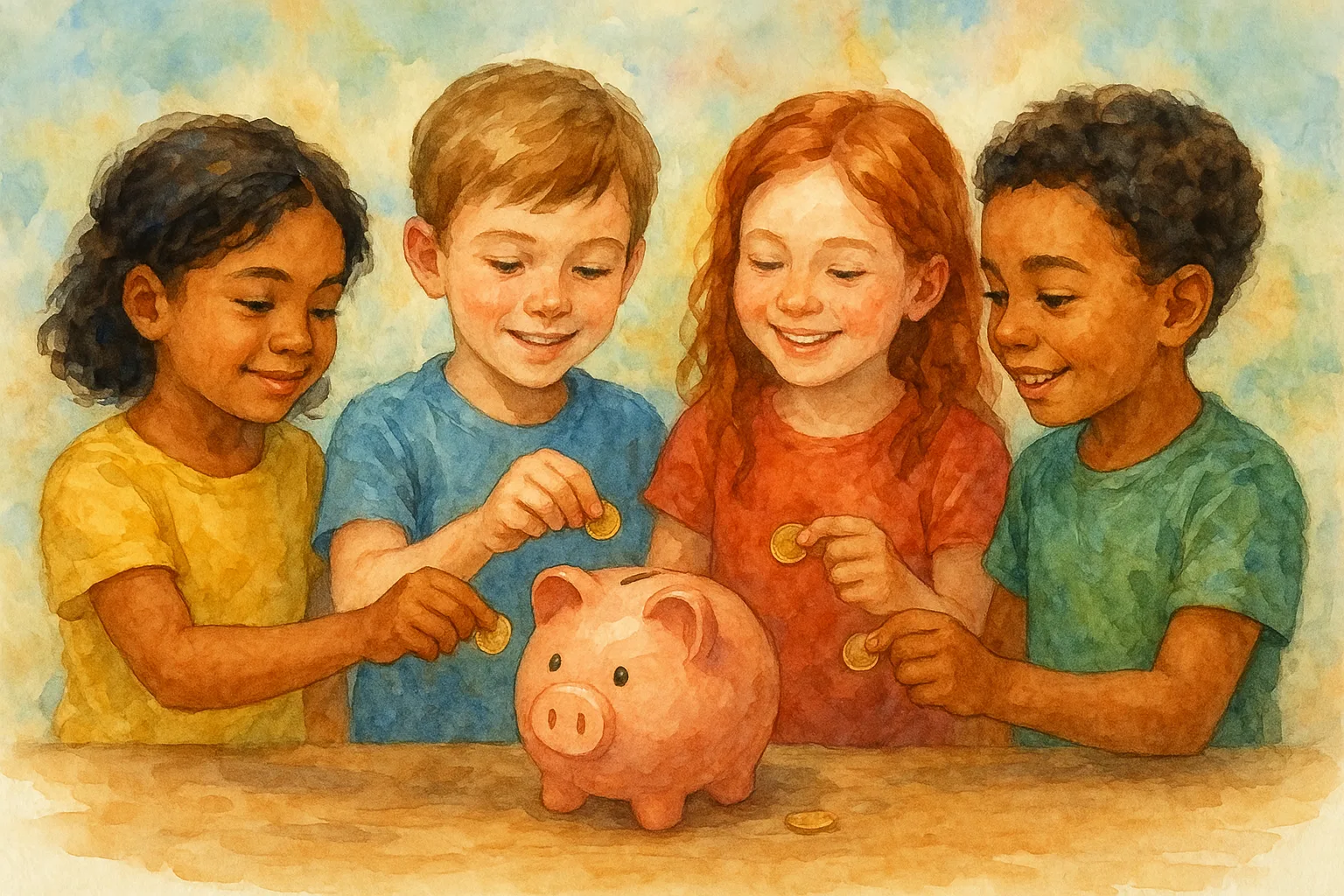
- Set Up a Giving Jar: Create a jar where your child can save a small amount each week to donate to a cause they care about. This can help them feel involved in the process.
- Volunteer Together: Find local charities or community events where you can volunteer as a family. This can help your child see the direct impact of giving.
- Celebrate Acts of Kindness: When your child shows kindness or gives to others, celebrate it! Recognition can motivate them to continue these behaviours.
Myths About Giving
There are some common myths about giving that can discourage people from helping others. Here are a few to consider:
- Myth 1: You need a lot of money to give. Truth: Giving doesn’t always mean money. Time and kindness are also valuable.
- Myth 2: Giving is only for adults. Truth: Children can give too! They can help in many ways, such as sharing toys or helping neighbours.
- Myth 3: One person can’t make a difference. Truth: Every small act of kindness adds up. One person can inspire many.
Conclusion
Teaching children about giving through stories is a wonderful way to help them understand its importance. By sharing relatable tales and encouraging personal experiences, we can inspire kids to help others and strengthen their communities. Remember, even small acts of kindness can have a big impact!
This article provides general educational information only and is not financial advice. Always seek guidance from a qualified professional for personal financial decisions.
Previous: Explaining How Giving Can Be a Financial Habit
Next: Creating a Family Giving Jar