
Series: The UK Allotment Year
Phase 3: Organic & Eco-Friendly Gardening — Part 26 of 50
Focuses on sustainable, low-impact methods — no-dig approaches, composting, water-saving, and wildlife-friendly practices to create healthy soil and ecosystems.
Natural Pest Control: Companion Planting and Wildlife Allies
As the growing season warms up and your allotment bursts into life, it’s the perfect time to think about protecting your crops from pesky invaders—naturally. Relying on chemical pesticides can harm beneficial insects and the environment, so embracing companion planting alongside inviting wildlife allies to your plot offers a sustainable way to keep pests in check. This approach not only supports healthy crops but also encourages biodiversity, making your allotment a thriving eco-system.
Why Now?
Spring and early summer bring an influx of both crops and their common pests. Aphids, carrot root flies, and slugs tend to appear around this time, threatening young plants. By planning and implementing natural pest control strategies now, you set your allotment up for a healthier, more productive season.
Key Tasks for Companion Planting
- Identify your main crops and their common pests: Knowing which pests target your crops helps you choose suitable companion plants that repel or confuse these pests.
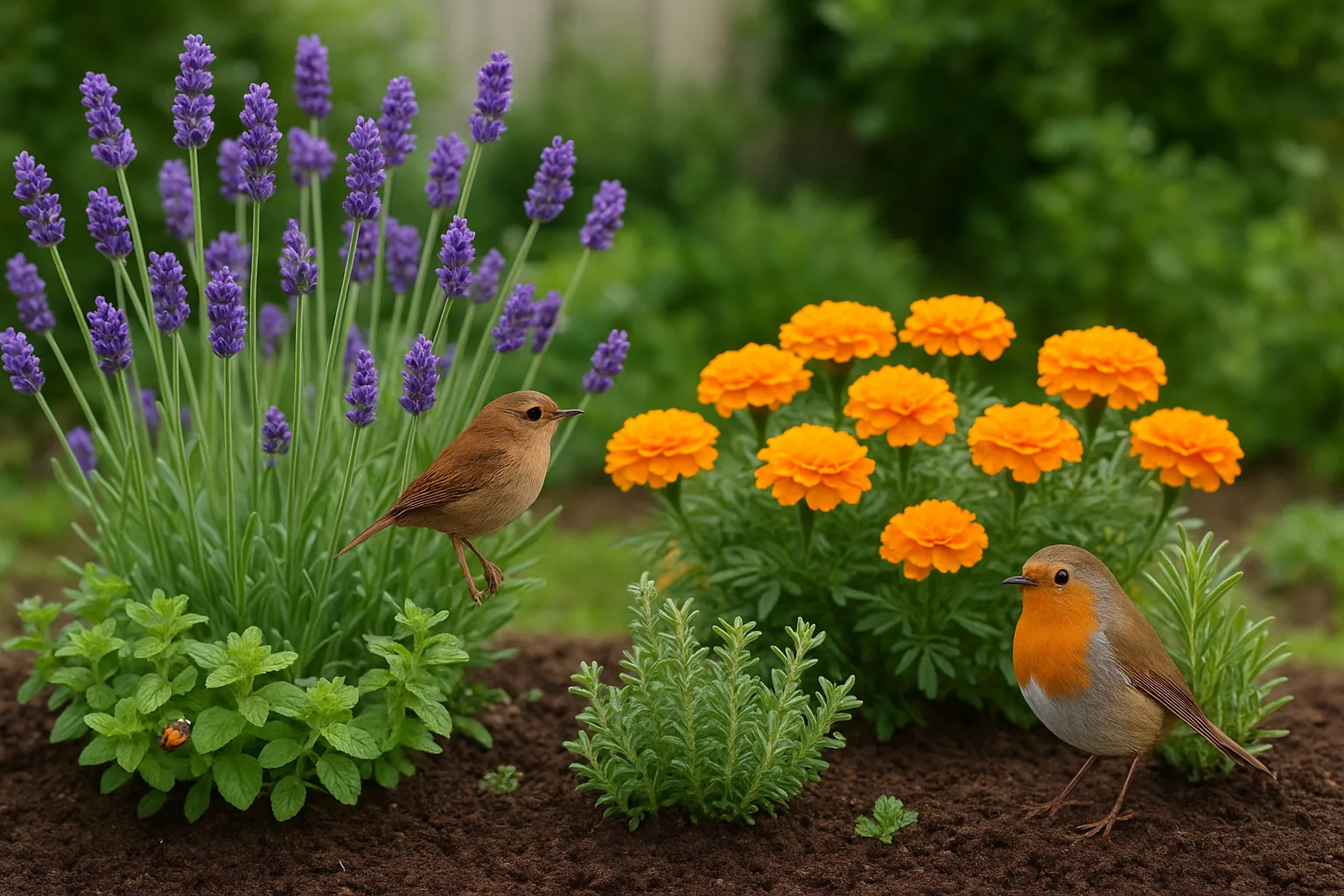
- Choose companion plants that deter pests or attract beneficial insects: For example, plant marigolds near tomatoes to deter nematodes or nasturtiums near brassicas to attract aphids away from your cabbages.
- Mix aromatic herbs and flowers: Strong scents from herbs such as lavender, rosemary, and thyme can mask the smell of vulnerable crops, deterring pests.
- Intercrop with plants that attract predatory insects: Plants like dill, fennel, and coriander attract hoverflies, ladybirds, and parasitic wasps which prey on aphids and other pests.
- Plan for staggered planting: Planting companion plants before or alongside your main crops ensures they establish quickly and begin their protective role.
- Use physical barriers when needed: Combine companion planting with netting or cloches for vulnerable crops especially early in the season.
Welcoming Wildlife Allies
Attracting natural predators to your allotment creates a balanced ecosystem that keeps pest populations under control without chemicals.
- Provide habitats: Leave a small patch of undisturbed area with native plants, or install a bug hotel to encourage beneficial insects like ladybirds, lacewings, and solitary bees.
- Encourage birds: Birds such as robins and tits are voracious consumers of caterpillars and aphids. Plant native hedges or install bird boxes to make your plot welcoming.
- Install water sources: A shallow dish with stones and water can help amphibians like frogs and toads, which feed on slugs and snails.
- Avoid broad-spectrum insecticides: Using any chemical sprays can harm your wildlife allies, so stick to organic or mechanical methods.
- Grow nectar-rich flowers: Plants like borage, calendula, and wildflowers provide food for hoverflies, bees, and parasitic wasps throughout the growing season.
Quick Checklist for This Season
- Plan and sow companion plants suited to your main crops now (spring to early summer).
- Set up bug hotels or wildlife shelters before pests peak.
- Install bird boxes and provide fresh water sources.
- Inspect plants regularly for early signs of pests.
- Intervene early with handpicking or organic controls if needed.
Common Mistakes to Avoid
- Planting companion plants too late: Delayed planting reduces their effectiveness as pest deterrents.
- Overcrowding crops and companions: Too dense planting can increase humidity and diseases, making plants more vulnerable.
- Ignoring beneficial insects: Spraying broad-spectrum insecticides or disturbing habitats harms natural pest controllers.
- Expecting instant results: Natural pest control builds up over time; patience and consistency are key.
- Neglecting crop rotation and soil health: Companion planting works best alongside good allotment practices.
Tools and Materials to Use
- Seed packets for companion flowers and herbs (marigolds, nasturtiums, dill, coriander, borage, calendula).
- Materials for bug hotels (wood, bamboo canes, straw).
- Bird boxes suitable for small garden birds.
- Shallow dishes or water trays with pebbles for amphibians.
- Fine mesh netting or horticultural fleece to protect vulnerable crops where needed.
- Organic slug pellets or beer traps as a last resort for slug control.
Next Actions for This Month/Phase
Now is the time to plan your companion planting scheme and sow fast-growing companions directly into the soil or in pots for transplanting. Set up wildlife habitats and water points to welcome natural predators early in the season. Keep checking your crops weekly for pest activity and encourage handpicking of pests to reduce their numbers. Remember, nurturing a balanced ecosystem takes patience but rewards you with stronger plants and a vibrant allotment buzzing with life.
Previous: Rainwater Harvesting and Water-Saving Tips
Next: Creating a Wildlife-Friendly Allotment (Bees, Frogs, and Hedgehogs)