
Series: The UK Allotment Year
Phase 3: Organic & Eco-Friendly Gardening — Part 25 of 50
Focuses on sustainable, low-impact methods — no-dig approaches, composting, water-saving, and wildlife-friendly practices to create healthy soil and ecosystems.
Rainwater Harvesting and Water-Saving Tips
As spring unfolds across the UK, allotment holders are gearing up for the busy growing season ahead. While the British climate often brings welcome rain, water management remains crucial—especially with unpredictable weather patterns and occasional dry spells. Collecting and conserving rainwater not only reduces reliance on mains water but also benefits your plants by supplying naturally soft, chlorine-free water. In this guide, we’ll explore practical ways to harvest rainwater, save water efficiently, and keep your allotment thriving sustainably throughout the year.
Why Rainwater Harvesting Matters Now
Spring and early summer are prime times for setting up rainwater collection systems. This is when rainfall is generally steady enough to fill containers, and your plants start demanding more water as they grow quickly. By preparing now, you’ll have reserves ready for drier spells later in summer.
Setting Up Your Rainwater Harvesting System
Getting started with rainwater harvesting doesn’t have to be complicated or costly. Here are the key steps to creating a simple but effective system on your allotment:
- Choose your collection surface: Most commonly, rainwater is collected from roof surfaces like sheds or greenhouses. Ensure the roof is clean and made from materials safe for garden water (avoid lead or treated wood).
- Install gutters and downpipes: Fit gutters along the roof edges to channel rainwater into a downpipe. Regularly clear gutters of leaves and debris to keep water flowing freely.
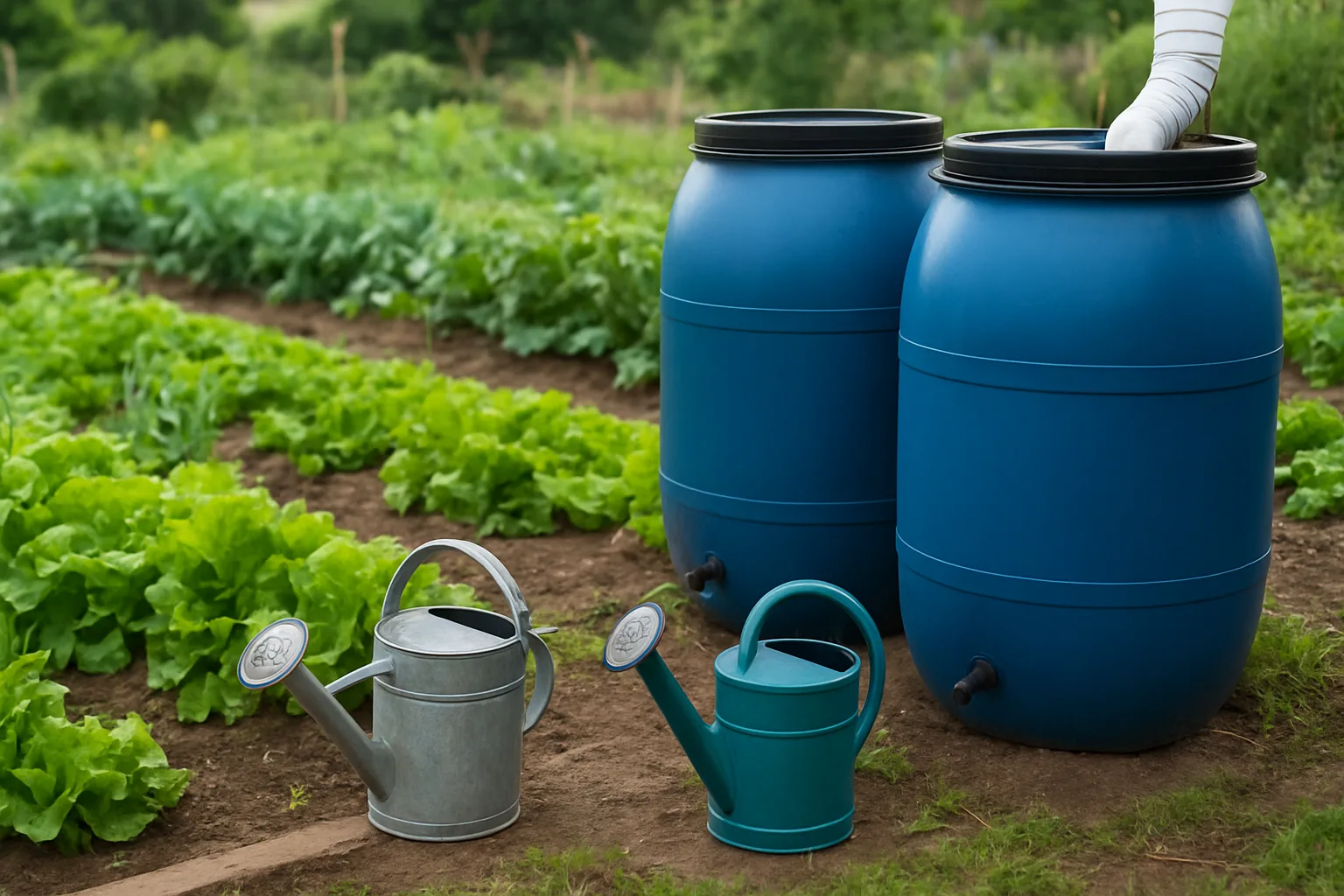
- Select suitable containers: Use large water butts or barrels with a secure lid to store collected water. Aim for at least 200 litres capacity per container to make harvesting worthwhile.
- Position containers for easy access: Place water butts near where you’ll be watering crops, so you can easily fill watering cans or connect a hose.
- Add a tap or spigot: Fitting a tap near the base of the container makes water retrieval straightforward without disturbing the whole barrel.
- Include basic filtration: Use a fine mesh over the gutter outlet or downpipe to prevent leaves and insects entering your water store.
Water-Saving Tips for Your Allotment
Besides collecting rainwater, adopting smart watering habits helps stretch your supply further. Here are practical tips tailored for UK allotment conditions:
- Water early or late: Apply water in the early morning or late evening to reduce evaporation losses.
- Focus on roots: Water at the base of plants rather than overhead to reduce fungal risks and wasted water.
- Use mulch liberally: Organic mulches like straw, leaf mould, or grass clippings retain soil moisture, suppress weeds, and improve soil health.
- Group plants by water needs: Planting drought-tolerant crops separately from thirsty varieties allows more targeted watering.
- Opt for drought-resilient varieties: Some vegetables and herbs cope better with dry spells—consider incorporating these to reduce watering frequency.
- Use water-efficient tools: Employ watering cans with rose heads or drip irrigation systems to deliver water precisely where needed.
- Collect greywater carefully: Where safe and permitted, reuse rinse water from washing vegetables or produce for watering non-edible plants.
Seasonal Timing: When to Harvest and Use Rainwater
- Spring (March-May): Set up collection systems and start filling your water butts. Begin watering seedlings gently as they establish.
- Early Summer (June-July): Use your stored rainwater to supplement natural rainfall during warmer spells. Keep mulching to conserve moisture.
- Late Summer to Autumn (August-September): Continue harvesting rainwater to prepare for overwintering crops and reduce mains water use as the weather cools.
- Winter (October-February): Empty and clean containers to prevent algae and mosquito breeding. Carry out any repairs or improvements.
Quick Checklist for Rainwater Harvesting and Water Saving
- Inspect and clean gutters before rainy periods
- Install or check water butt lids and taps for secure fit
- Use mesh filters to keep debris out of water butts
- Mulch around plants regularly to retain moisture
- Water plants at root level early or late in the day
- Group plants by water needs and choose drought-tolerant varieties
- Consider simple drip irrigation or watering cans with roses
- Empty and clean water butts during winter
Common Mistakes to Avoid
- Neglecting to clean gutters and containers: Blockages can cause overflow and contamination.
- Using untreated greywater indiscriminately: Avoid watering edible crops with any water that may contain contaminants.
- Overwatering plants: Excess water can cause root rot and waste valuable resources.
- Ignoring mulching benefits: Bare soil dries out quickly and encourages weeds.
- Failing to secure water butt lids: Open containers can become breeding grounds for pests or pose safety hazards.
Tools and Materials to Have on Hand
- Gutters and downpipes suitable for your shed or greenhouse roof
- Water butts or large barrels (preferably food-grade plastic)
- Mesh or fine netting for debris filtration
- Tap or spigot fittings for easy water access
- Watering cans with rose heads
- Organic mulches such as straw, leaf mould, or grass clippings
- Drip irrigation kits (optional) for efficient watering
Next Actions for This Phase
This month, focus on setting up or refreshing your rainwater harvesting system. Clean gutters and water butts, install or repair taps, and add filtration mesh. Begin mulching your beds to lock in moisture and plan your planting layout to group plants by water needs. Keep an eye on the weather forecast to time watering carefully, ensuring your crops get just the right amount without waste.
By embracing these water-saving and rainwater harvesting practices, you’ll nurture a healthy, resilient allotment that thrives while being kind to the environment and your wallet. Happy gardening!
Previous: Making Your Own Compost: The Perfect Mix for UK Conditions
Next: Natural Pest Control: Companion Planting and Wildlife Allies