
Series: The UK Allotment Year
Phase 3: Organic & Eco-Friendly Gardening — Part 27 of 50
Focuses on sustainable, low-impact methods — no-dig approaches, composting, water-saving, and wildlife-friendly practices to create healthy soil and ecosystems.
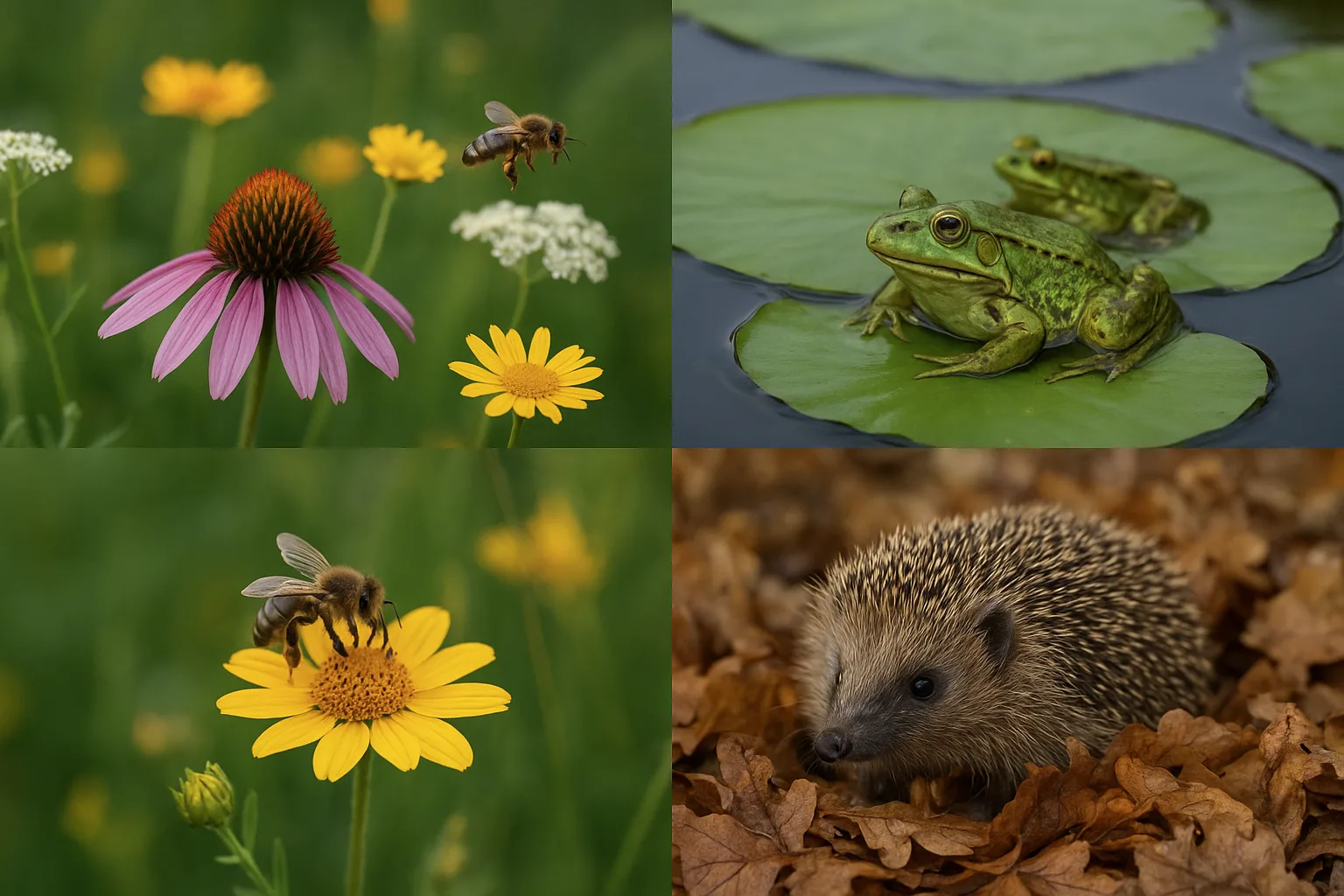
Creating a Wildlife-Friendly Allotment (Bees, Frogs, and Hedgehogs)
Spring is the perfect time to start thinking about creating a wildlife-friendly allotment. As plants begin to flower and life stirs after winter, inviting beneficial creatures like bees, frogs, and hedgehogs to your plot can boost both your harvest and the local ecosystem. These friendly visitors help pollinate crops, control pests, and keep your plot healthy. Here’s how to make your allotment a welcoming haven for them all year round.
Why Encourage Wildlife on Your Allotment?
- Pollination: Bees play a crucial role in pollinating fruit, vegetables, and flowers, improving yields.
- Natural pest control: Frogs and hedgehogs eat slugs, aphids, and other pests, reducing the need for chemical interventions.
- Biodiversity: Supporting wildlife helps maintain a balanced, resilient garden environment.
- Enjoyment: Watching wildlife adds interest and pleasure to your gardening routine.
Key Steps to Create a Wildlife-Friendly Allotment
- Provide Shelter and Habitat
- For bees: Leave patches of bare soil or install a bee hotel with hollow stems or drilled wood blocks for solitary bees to nest.
- For frogs: Create a small pond or water feature with gently sloping sides to allow easy access and escape.
- For hedgehogs: Leave a log pile or dense shrubbery where they can nest and hibernate safely.
- Plant for Pollinators and Insects
- Grow a variety of native, nectar-rich flowers that bloom at different times, such as foxgloves, lavender, and wild thyme.
- Include flowering herbs like mint, coriander, and chives, which attract bees and beneficial insects.
- Allow some plants to go to seed or flower naturally rather than cutting everything back immediately.
- Maintain Organic Growing Practices
- Avoid chemical pesticides and herbicides which harm wildlife.
- Use organic compost and mulch to improve soil health and encourage earthworms and other soil creatures.
- Encourage companion planting to deter pests naturally.
- Create Safe Water Sources
- Aside from ponds, shallow dishes of water with stones for landing help frogs and hedgehogs hydrate safely.
- Keep water fresh and clean, especially during dry spells.
- Ensure Safe Access and Movement
- Leave gaps in fences or hedges (at least 13x13cm) so hedgehogs can roam freely between gardens and allotments.
- Take care when strimming or mowing to check for resting wildlife.
Seasonal Timing and Tasks
- Early Spring: Set up bee hotels and prepare the pond before frogs start breeding. Clear log piles and check for hibernating hedgehogs before tidying.
- Late Spring to Summer: Sow wildflower patches and flowering herbs. Keep water topped up and observe pollinator activity.
- Autumn: Leave seed heads and undisturbed areas for overwintering insects. Refresh leaf piles or create new hedgehog shelters.
- Winter: Avoid disturbing hibernating wildlife. Plan next year’s wildlife-friendly improvements.
Quick Checklist for a Wildlife-Friendly Allotment
- Install bee hotels or leave bare soil patches
- Create or maintain a small pond with gentle edges
- Leave log piles and dense planting for shelter
- Plant a variety of nectar-rich flowers and herbs
- Use organic compost, mulch, and avoid chemicals
- Provide shallow water dishes and keep them topped up
- Leave gaps in fencing for hedgehog access
- Check before mowing or strimming
Common Mistakes to Avoid
- Over-tidying: Clearing away all leaf litter, dead wood, or seed heads removes essential habitat and food sources.
- Using chemicals: Even organic-friendly sprays can harm beneficial insects if misapplied.
- Neglecting water sources: Ponds left to dry out or water bowls not refreshed limit amphibian and hedgehog survival.
- Ignoring access: Solid fencing without gaps isolates hedgehogs and reduces wildlife movement.
- Planting only non-native ornamentals: These often provide little nectar or shelter compared to native species.
Tools and Materials
- Hand fork and trowel for creating bare soil patches and planting
- Wooden blocks or recycled plant stems to build bee hotels
- Materials for a simple pond liner or pre-formed pond
- Organic compost and mulch (e.g., leaf mould, bark chips)
- Water bowls or shallow dishes with stones
- Pruning tools for managing shrubs and maintaining shelter
Next Actions for This Month
- Identify suitable spots for your bee hotel and pond, ideally in a sunny, sheltered corner.
- Start collecting materials for shelters—logs, branches, plant stems.
- Plan your wildflower and herb planting areas, sourcing native seeds or plants.
- Check fences and create hedgehog access holes where needed.
- Prepare compost heaps or mulch piles to support soil and wildlife health.
By taking these simple, seasonal steps, you’ll create an allotment buzzing with life and bursting with productivity. Encouraging bees, frogs, and hedgehogs not only benefits your crops but also contributes to the wider environment. Happy gardening!
Previous: Natural Pest Control: Companion Planting and Wildlife Allies
Next: Organic Fertilisers You Can Make at Home (Comfrey, Nettles, Seaweed)