
Series: History of Sirmaur, Himachal Pradesh, India
Phase 5: Modern Era — Part 25 of 30
This article appears within a continuing historical series that follows the western Himalayas into the modern era. With the end of princely rule and the integration into independent India, long-standing social and political patterns were reconfigured. This phase examines how development, state formation, and memory interact with inherited landscapes, shaping contemporary life while carrying forward echoes of the past.
The Dawn in Nahan: A Town Awakes
Morning mist clings to the sloping rooftops of Nahan, where the early sun glances off temple spires and colonial facades alike. In the hush before the day’s bustle, old stone steps and winding alleys hint at centuries of habitation. Yet, beneath today’s rhythm lies a remarkable chronicle of urban transformation—a story inseparable from Sirmaur’s own journey through myth, conquest, and modernity.
Between Legend and Settlement: Early Roots
As with much of the western Himalayas, the story of Nahan’s foundation emerges from a tapestry woven with both oral tradition and the faint threads of historical record. Local lore speaks of a saintly figure, Baba Banwari Das, who is said to have blessed the town’s hilltop site. The name “Nahan,” meaning “do not kill” in the local dialect, is entwined with legends of compassion and sanctuary—qualities that defined its earliest character.
While such tales have shaped community identity, historians situate the earliest organized settlement here in the late 17th century, when Raja Karam Prakash established Nahan as his capital. The choice was strategic: perched above the Sirmauri plains, the site offered defensibility, a temperate climate, and access to the vital trade routes threading toward the Ganges valley and the Punjab plains.
Mapping the Ancient Landscape: Communities and Trade
Long before Nahan’s formal founding, the Sirmaur region was dotted with smaller hamlets and trading outposts. Archaeological traces and folk memory recall the presence of pastoralist and agricultural communities—Gaddis, Gujjars, and Rajputs—whose seasonal migrations and settlements gave shape to the landscape. Early Buddhist influences filtered up from the plains, leaving behind monastery ruins and sculpted stones, even as Hindu sacred geography took firmer root.
By the early medieval period, Sirmaur found itself at a crossroads. Trade in salt, grains, and wool moved through the valleys, connecting it with larger hill states like Bilaspur and Kangra, and with far-off markets beyond the Yamuna. These routes fostered both mercantile prosperity and cultural exchange, visible today in the region’s diverse religious traditions and architectural motifs.
Emergence of the Hill State: Nahan as Power Center
The rise of the Sirmaur state in the 11th and 12th centuries marked a turning point. Early chroniclers, such as those referenced in regional gazetteers, describe a patchwork of fortified villages and clan domains, gradually unified under the rule of the Sirmauri rajas. As the seat of administration shifted from the ancient fort at Rajban to Nahan, the latter grew into a planned town—its lanes radiating from the royal palace, its markets bustling with artisans, traders, and pilgrims.
Distinctly, Nahan’s urban layout reflected both indigenous hill architecture and Mughal-inspired elements, with courtyards, step wells, and winding bazaar streets. The town’s religious life was equally vibrant: the annual Jagannath fair, temples dedicated to Kali and Shiva, and Sufi shrines all found their place here, fostering a cosmopolitan ethos rare for a hill capital.
Colonial Encounters and Urban Change
The 19th century brought a seismic shift. Following the Gorkha invasions and the subsequent British annexation of neighboring territories, Sirmaur’s rulers negotiated a delicate autonomy under colonial suzerainty. Nahan, once a bastion against lowland powers, now became a locus of British administrative interest. The town’s streets widened, colonial bungalows and public gardens appeared, and the first piped water system in the region was installed—an innovation still celebrated in local lore.
Yet, the colonial period was not merely an era of imposed change. Nahan’s educated elite, drawn from merchant and landholding families, began to engage with broader currents of social reform and nationalism. Schools, printing presses, and social clubs flourished, cultivating a spirit of civic life that distinguished Nahan from its hill peers.
Urban Networks: Nahan and Its Neighbors
As Nahan prospered, its influence radiated outward. Towns like Paonta Sahib, Renuka, and Shillai grew as satellite settlements, each with its own character and historical trajectory. Paonta Sahib, founded by Guru Gobind Singh in the late 17th century, emerged as a major Sikh pilgrimage center, drawing traders and artisans from as far as Patiala and Delhi. Renuka, nestled beside its sacred lake, became a hub for religious tourism and local commerce. Meanwhile, Shillai and the trans-Giri areas retained a more rugged, frontier quality—serving as gateways to the Jaunsar-Bawar and the Garhwal hills.
Throughout the 20th century, improved roads and the construction of the Yamuna bridge at Paonta Sahib tightened these urban connections. Market days saw villagers streaming in from outlying hamlets, their produce and crafts feeding a vibrant local economy. At the same time, waves of migration—from neighboring Himachali states and beyond—brought new skills, dialects, and traditions, further enriching Sirmaur’s urban tapestry.
Contemporary Reflections: Sirmaur’s Urban Legacy
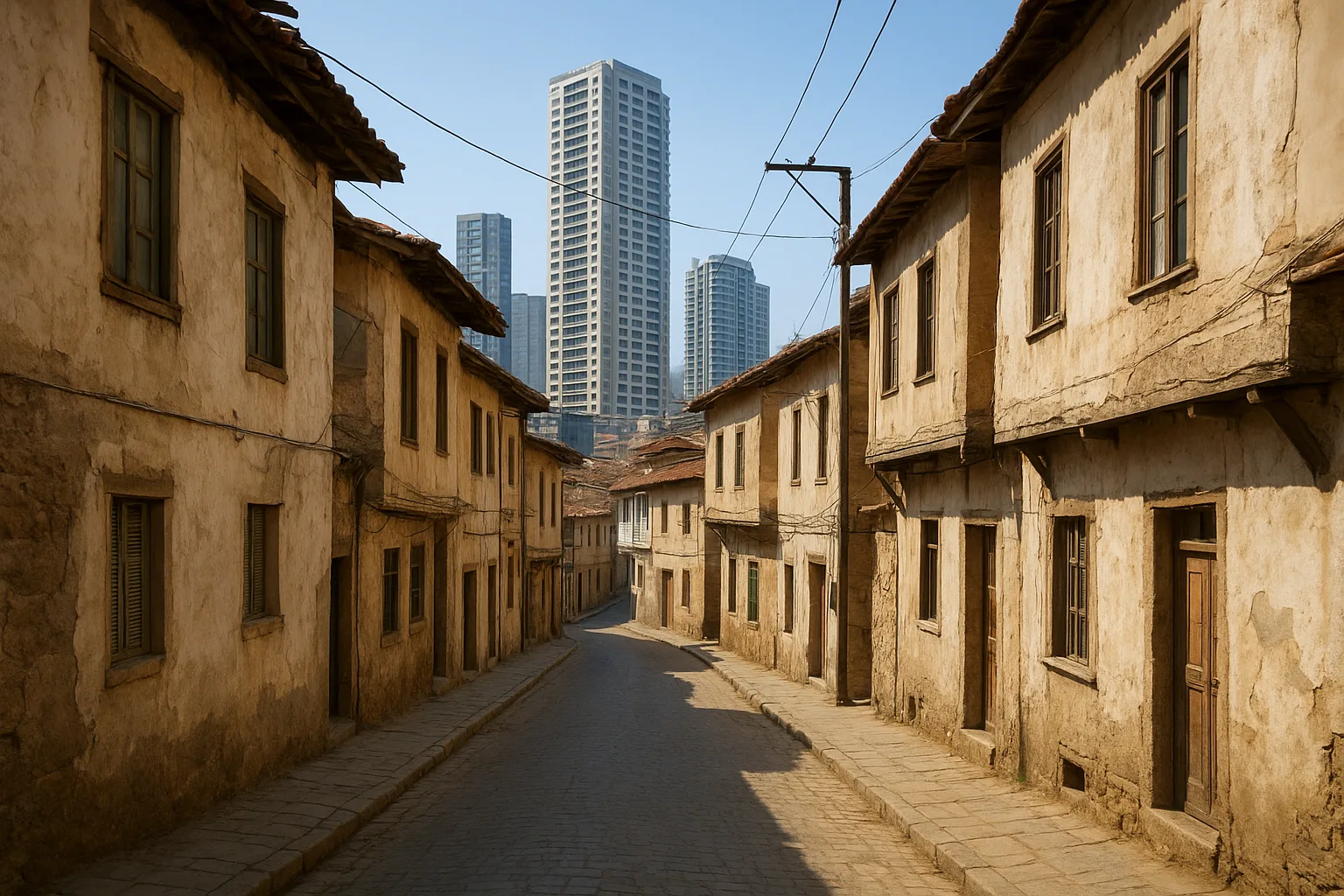
Today, the old and the new jostle in Nahan’s heart. Heritage havelis stand beside bustling shops; echoes of royal processions linger in the shadow of the town’s clock tower. The urban culture that once set Sirmaur apart endures—manifest in festivals, civic institutions, and the everyday resilience of its people.
Yet, the challenges of modern urbanization—population pressures, environmental stress, and the tensions of tradition and change—demand fresh wisdom from old roots. Nahan’s journey from hilltop sanctuary to district capital is not just a chronicle of buildings and bazaars, but a living testimony to the layered history of Sirmaur itself.
In the next part of our series, we’ll explore how Sirmaur’s towns navigated the political storms of the mid-20th century, and how their distinct identities shaped—and were shaped by—the formation of Himachal Pradesh.
Previous: Agriculture, Horticulture, and Rural Economy Today
Next: Tourism and Heritage Sites of Sirmaur