
Series: The UK Allotment Year
Phase 2: Crop-Specific Growing Guides — Part 19 of 50
This section covers how to grow common UK allotment crops — from potatoes to herbs and soft fruits — including soil tips, spacing, pest control, and harvesting advice.
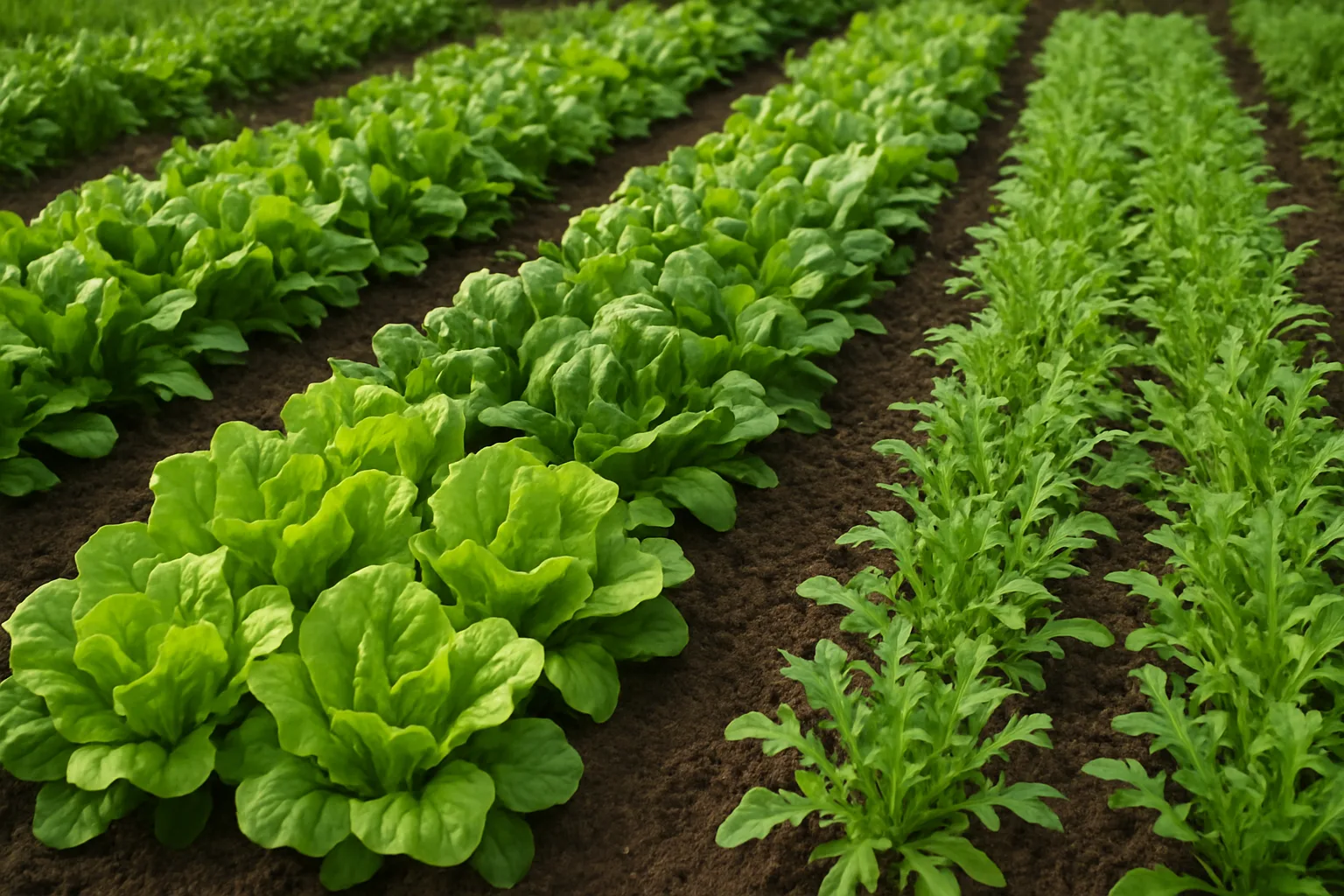
Best Salad Crops for Continuous Harvest
As spring unfolds on your UK allotment, there’s no better time to plan for a continuous supply of fresh, crisp salad leaves. Salad crops are ideal for quick, rewarding results and can keep your plate full of healthy greens from early spring right through to autumn. Whether you’re a beginner or a confident plot holder, choosing the right crops and managing them well means you can enjoy homegrown salads all season long.
Why Grow Salad Crops Continuously?
Salad crops are fast-growing, often ready to harvest within weeks, and many can be sown successively to provide fresh leaves without gaps. Continuous harvesting means less waste, better use of your plot space, and a greener, tastier diet. Plus, salad crops thrive in the cooler UK climate and can be grown in small spaces or containers if needed.
Top Salad Crops for Continuous Harvest
- Lettuce – Varieties like ‘Little Gem’ or ‘Romaine’ are reliable. Choose cut-and-come-again types for steady picking.
- Rocket (Arugula) – Fast-growing with a peppery flavour, it tolerates cooler weather well.
- Spinach – Thrives in spring and autumn; baby leaves are perfect for salads.
- Mustard Leaves – Adds a spicy kick; quick to mature and good for succession sowing.
- Watercress – Needs a moist spot but offers a peppery taste and is highly nutritious.
- Winter Purslane – Hardy and low-growing, ideal for extending harvest into colder months.
- Claytonia (Miner’s Lettuce) – A lesser-known salad green that handles shade well and grows quickly.
Step-by-Step Guide to Growing Salad Crops for Continuous Harvest
- Choose the right varieties: Look for fast-growing, cut-and-come-again types suited to the UK climate.
- Sow in succession: Sow new seeds every 2–3 weeks from early spring to midsummer to keep a steady supply.
- Prepare your soil: Use well-drained, fertile soil enriched with organic matter like well-rotted compost.
- Plant in suitable conditions: Most salad crops prefer a sunny spot but can tolerate partial shade.
- Thin seedlings: Once seeds germinate, thin to avoid overcrowding and allow air circulation.
- Water regularly: Keep the soil moist but not waterlogged, especially during dry spells.
- Harvest carefully: Use scissors to snip outer leaves and leave the central growing point intact for regrowth.
- Protect from pests: Use physical barriers like horticultural fleece or cloches to deter slugs and snails.
- Succession sowing: Continue sowing new crops through the season to replace harvested plants.
Tools and Materials You’ll Need
- Hand fork or trowel for soil preparation
- Seed trays or pots for starting seeds indoors (optional)
- Labels to track sowings and varieties
- Watering can or hose with a fine rose
- Sharp scissors or garden snips for harvesting
- Horticultural fleece or netting for pest protection
- Compost or well-rotted manure to enrich soil
Organic and Eco-Friendly Tips
- Use organic seed varieties where possible to support biodiversity.
- Enrich your soil naturally with homemade compost or leaf mould.
- Encourage beneficial insects by planting flowers nearby.
- Control pests manually – pick slugs by hand or use beer traps instead of chemicals.
- Collect rainwater for irrigation to conserve resources.
Seasonal Timing in the UK
- Early Spring (March–April): Sow hardy salad crops like spinach, rocket, and mustard leaves under cover or directly outdoors if soil is workable.
- Late Spring to Early Summer (May–June): Sow tender lettuces and continue succession sowing for continuous harvest.
- Summer (July–August): Protect crops from heat by providing some shade and water regularly.
- Autumn (September–October): Sow winter-hardy salad crops like winter purslane and claytonia for late-season greens.
Quick Checklist for Continuous Salad Harvest
- Choose cut-and-come-again salad varieties suited to your site.
- Sow seeds every 2–3 weeks to maintain supply.
- Prepare soil with organic matter before sowing.
- Thin seedlings to prevent overcrowding.
- Keep soil moist but well-drained.
- Harvest outer leaves regularly to encourage regrowth.
- Use physical barriers to protect crops from pests.
Common Mistakes to Avoid
- Overcrowding seedlings: Leads to poor air circulation and stunted growth.
- Neglecting succession sowing: Results in gaps and no fresh leaves later in the season.
- Allowing soil to dry out: Causes bitterness and bolting in salad crops.
- Harvesting entire plants: Instead, pick leaves individually to encourage continuous growth.
- Ignoring pest protection: Slugs and snails can quickly decimate young salad leaves.
Next Actions for This Month
- Sow your first batches of salad seeds in trays or directly outdoors if the soil is warm enough.
- Prepare your soil by adding compost and removing weeds.
- Set up simple pest barriers like horticultural fleece to protect young plants.
- Plan your sowing schedule to include succession plantings every few weeks.
- Keep an eye on soil moisture and water as needed, especially during dry spells.
By following these practical steps, you’ll soon enjoy a vibrant and varied salad harvest that keeps coming all season. Happy growing!
Previous: Herb Corners: Growing Sage, Thyme, and Rosemary on the Plot
Next: Soft Fruit Success: Raspberries, Gooseberries, and Blackcurrants