
Series: History of Lahaul & Spiti, Himachal Pradesh, India
Phase 4: British Period — Part 20 of 30
This article is part of a wider series tracing the transformation of the western Himalayas under colonial influence. As British authority extended into the hills, existing political systems were restructured through treaties, administration, and new forms of governance. This phase considers how colonial rule reshaped society, economy, and space while leaving lasting imprints on local identity.
Twilight on the High Plateau: Lahaul–Spiti in the 1940s
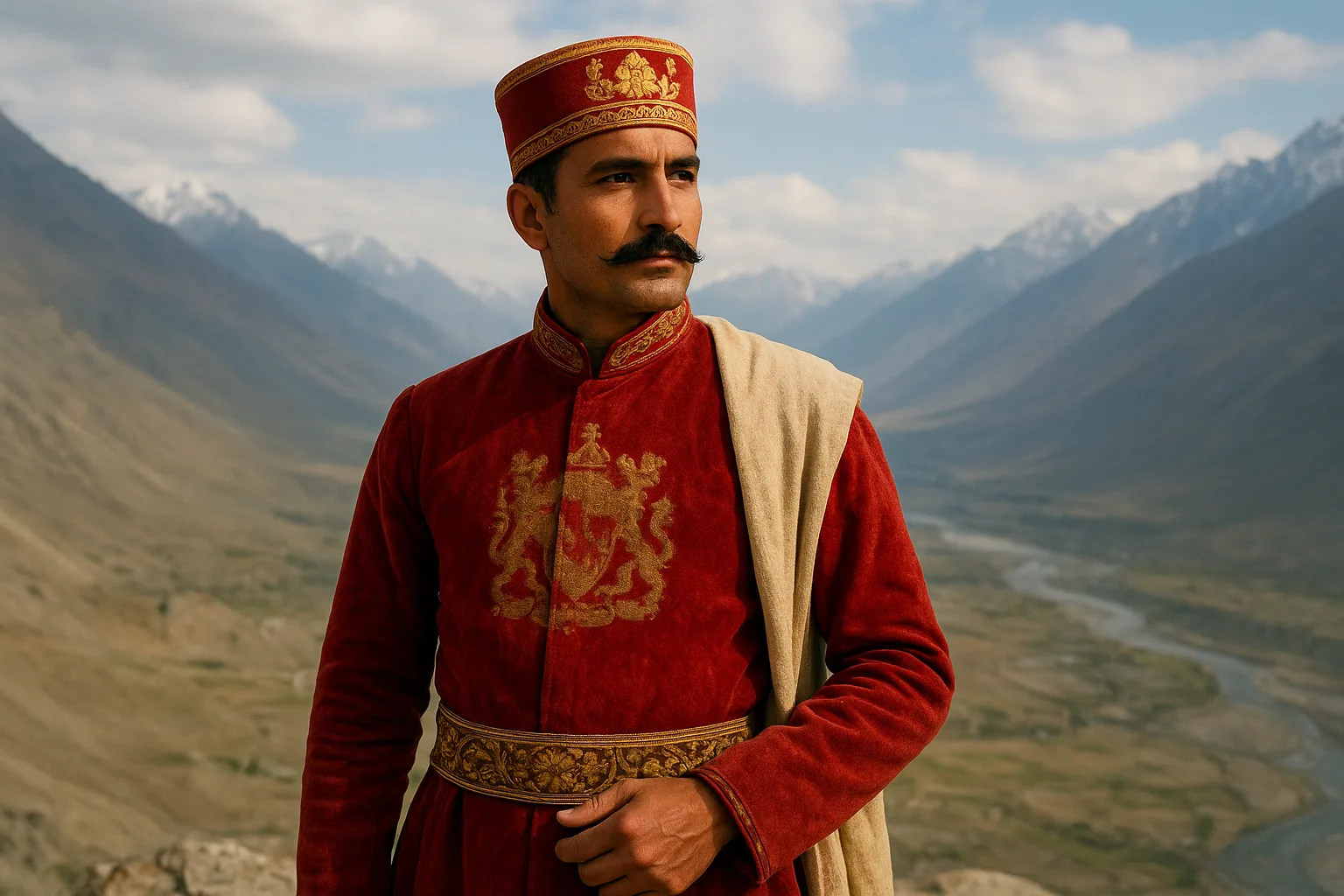
The wind whistled down the Chandra Valley, carrying with it the distant clang of a monastery bell. It was the late 1940s, and the world was changing beyond the snowy passes. In Lahaul–Spiti, the rhythms of village life—so rooted in ancient custom—were on the verge of a profound transformation. Under the gaze of the Pir Panjal and the Greater Himalaya, the last embers of princely and colonial rule flickered, soon to be extinguished by the sweep of independence and integration.
From Ancient Traditions to Imperial Administration
For centuries, Lahaul and Spiti had been lands apart—twin valleys separated by geography, yet bound by trade, faith, and a shared resilience. Oral traditions still echo with tales of legendary rulers and saintly visitors: the sage Rinchen Zangpo, who is said to have kindled the lamp of Buddhism in Spiti; the mythic dynasties who, according to local lore, held sway in ancient castles above the rivers. Yet beneath these stories lies a factual bedrock: by the early 19th century, Lahaul and Spiti were distinct but interlinked regions, each shaped by waves of migration, the ebb and flow of trade along the Indo-Tibetan routes, and the ambitions of neighboring hill states.
Historical chronicles—such as the Punjab Gazetteers—describe Lahaul as once under the sway of the Ladakhi kings, before the rising power of Chamba asserted itself. Spiti, meanwhile, maintained a more direct connection to Tibet, both politically and culturally. These relationships were never static; borders and allegiances shifted with the seasons, with some villages paying tribute to distant courts, while others clung to a stubborn autonomy grounded in clan and monastery.
Communities, Belief, and the Web of Trade
The people of Lahaul and Spiti were—and remain—distinctive in language, dress, and daily ritual. Lahaul’s population, a blend of Indo-Aryan and Tibetan heritage, practiced a syncretic mix of Buddhism and ancient Hindu beliefs. In Spiti, Buddhism predominated, its monasteries acting as both spiritual and administrative centers. Oral histories recount how the great monasteries of Tabo, Ki, and Dhankar served as sources of local authority, their lamas mediating disputes and overseeing festivals that marked the turn of the year.
The land itself was a crossroads. For centuries, traders led yak and sheep caravans over perilous passes—Baralacha, Kunzum, Shipki—linking the fertile valleys of Kullu and Kinnaur to the trans-Himalayan world of Ladakh and Tibet. Salt, wool, grain, and turquoise changed hands, and with them ideas, stories, and beliefs. These routes also brought the first envoys of the British Empire, whose interest in controlling the high passes grew as the Great Game intensified in the 19th century.
The Shadow of the Raj: Administrative Overlays
By the mid-1800s, the British had established their authority across much of the western Himalaya. In Lahaul, they inherited—and then modified—a patchwork of local customs and taxation systems. The region was nominally attached to the princely state of Chamba, but real power rested with local wazirs and headmen. British officials, often frustrated by the region’s isolation, relied heavily on these intermediaries for everything from revenue collection to maintaining order. In Spiti, the British recognized the suzerainty of the Raja of Bushahr, but, as in Lahaul, deferred to local Buddhist institutions for day-to-day governance.
Gazetteer accounts from the time note the delicate balance: the British sought to minimize interference, aware that heavy-handed policies could disrupt fragile ecological and social systems. Yet their presence was felt in new surveys, the mapping of boundaries, and the gradual introduction of roads and postal routes. The colonial administration also codified customary laws, sometimes freezing in place arrangements that had previously been fluid or contested.
Princely States and the Last Holdouts of Autonomy
The princely courts of Chamba and Bushahr, while distant, retained symbolic significance for the hill communities. Ceremonial tribute, customary fairs, and the presence of royal emissaries served as reminders of past allegiances. Yet, as the 20th century advanced, the practical power of these states waned. The rise of nationalist movements and the slow spread of education—often through mission schools and state-sponsored initiatives—began to erode the old structures of loyalty.
In both Lahaul and Spiti, village panchayats and monastic councils remained the real arbiters of daily life. Oral tradition records how even the collection of grain taxes or the settlement of land disputes often bypassed distant princes, resolving instead under the watchful eyes of community elders or the abbot of a local gompa. The British, for their part, preferred this arrangement, finding it less costly and less likely to provoke unrest in these remote highlands.
Independence and the Eclipse of Colonial Power
The cataclysm of 1947 reverberated even in the far valleys of Lahaul and Spiti. As India prepared to cast off the yoke of empire, princely states were compelled to accede to the new Union. In Lahaul–Spiti, the process was less dramatic than in the plains, but no less significant. The region was merged into the province of Himachal Pradesh, its administrative status reshaped in accordance with new ideals of democracy and national unity.
For the first time, the people of these valleys elected their own local representatives. The old system of hereditary wazirs and monastic rulers gave way—gradually, and sometimes reluctantly—to modern bureaucratic structures. Yet even as Delhi’s reach extended into the mountains, the legacy of the princely courts and colonial officers lingered in customs, dress, and the stories told around winter fires.
Carrying the Past Forward
Today, as travelers cross the Rohtang Pass or gaze up at the stark monasteries of Spiti, the layers of history remain visible. The end of princely and colonial influence did not erase the region’s unique character; instead, it marked the beginning of a new era, one in which ancient autonomy and modern governance coexist, sometimes uneasily. The echoes of royal processions, British expeditions, and village assemblies still shape how Lahaul–Spiti negotiates its place in India’s national story.
As our series continues, the next chapter delves into the early years of independent India, exploring how Lahaul and Spiti navigated the promises—and the challenges—of integration into the modern state.
Previous: Life of Tribal Communities Under Colonial Oversight
Next: Lahaul and Spiti’s Integration into Independent India