
Series: The UK Allotment Year
Phase 2: Crop-Specific Growing Guides — Part 20 of 50
This section covers how to grow common UK allotment crops — from potatoes to herbs and soft fruits — including soil tips, spacing, pest control, and harvesting advice.
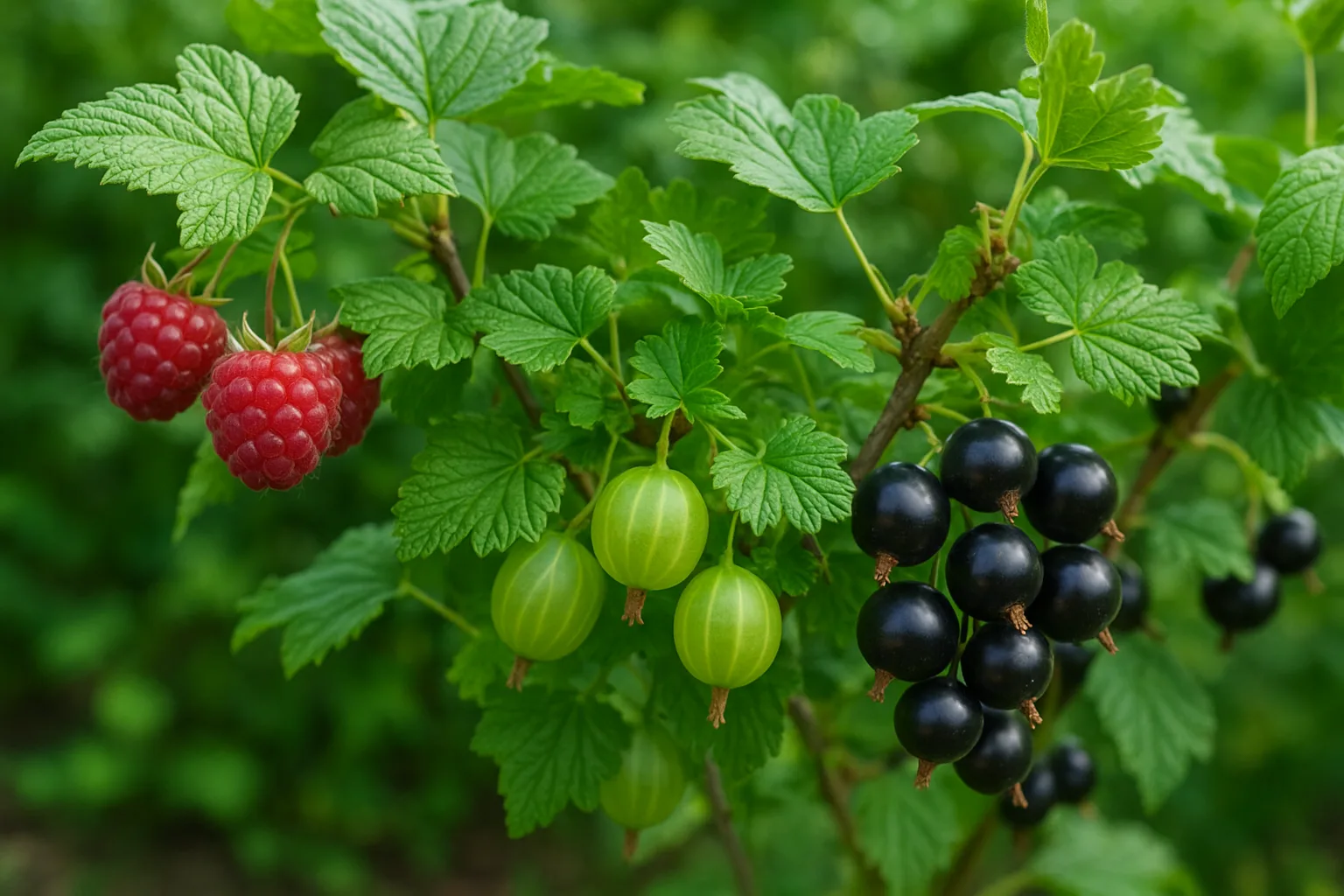
Soft Fruit Success: Raspberries, Gooseberries, and Blackcurrants
As spring unfolds across UK allotments, it’s the perfect time to focus on soft fruits like raspberries, gooseberries, and blackcurrants. These rewarding crops are well suited to our climate and can provide bountiful harvests for jams, desserts, and fresh snacks. Getting the timing, planting, and care right now means your bushes will flourish through summer and beyond.
Why Grow Soft Fruit Now?
Early spring is ideal for planting new bushes or giving existing plants a good prune and feed. The soil is warming, and the plants are about to burst into growth, so preparing your site and applying care now sets a strong foundation for the season ahead.
Choosing and Preparing Your Site
- Sunlight: Soft fruits thrive in full sun. Select a spot that receives at least 6 hours of sunlight daily.
- Soil: Well-drained, fertile soil with a pH of 6.0–6.5 is ideal. Avoid waterlogged or very heavy clay soils.
- Space: Allow enough room—raspberries need about 45cm (18 inches) between plants; gooseberries and blackcurrants require roughly 1.2m (4 feet) apart.
Planting Soft Fruit Bushes
If you’re planting new bushes this spring, follow these steps for a strong start:
- Prepare the ground: Dig over the soil, removing weeds and incorporating plenty of well-rotted organic matter like garden compost or farmyard manure.
- Dig holes: Make holes wide and deep enough for roots to spread comfortably (about 30cm/12 inches deep and wide).
- Plant carefully: Position the bushes so the graft union (a noticeable swell near the base) is just above soil level to avoid rot.
- Water well: After planting, water thoroughly to settle the soil around roots.
- Apply mulch: Use organic mulch such as straw or wood chips to retain moisture and suppress weeds.
Seasonal Care Tasks
- Pruning: Early spring is the best time to prune. For raspberries, remove old canes that fruited last year to encourage new growth. Gooseberries and blackcurrants benefit from thinning out older stems to improve air circulation.
- Feeding: Apply a balanced organic fertiliser or a feed rich in potash to support fruit development. Incorporate well-rotted manure if not already done at planting.
- Watering: Ensure plants receive consistent moisture, especially as they start to flower and fruit. Avoid waterlogging.
- Pest and disease checks: Look out for common issues such as gooseberry sawfly or mildew and manage organically by removing affected leaves and encouraging beneficial insects.
Harvesting and Using Your Soft Fruit
Soft fruits generally ripen from mid-summer onwards. Pick berries regularly to encourage more fruit and enjoy them fresh or preserve as jams, jellies, or frozen treats. Early planning for harvest helps you make the most of your crop.
Tools and Materials to Have Ready
- Hand pruners or secateurs – sharp and clean to make neat cuts.
- Garden fork and spade for soil preparation.
- Watering can or hose with a fine rose for gentle watering.
- Organic mulch materials – straw, wood chips, or leaf mould.
- Organic fertiliser suitable for fruiting plants (e.g., seaweed or comfrey-based).
- Gloves to protect hands when pruning thorny gooseberries.
Common Mistakes to Avoid
- Planting too deep or too shallow: This can lead to rot or poor establishment.
- Neglecting pruning: Overcrowded bushes produce fewer fruits and invite disease.
- Ignoring soil quality: Poor soil leads to weak plants; always enrich with organic matter.
- Overwatering or underwatering: Soft fruits need consistent moisture but dislike soggy roots.
- Delaying pest control: Early action prevents infestations from spreading.
Quick Checklist for This Month
- Choose and prepare your soft fruit planting site.
- Plant new raspberry, gooseberry, or blackcurrant bushes as soon as the soil is workable.
- Prune established bushes, removing old or weak stems.
- Apply organic fertiliser to encourage healthy growth.
- Mulch around plants to conserve moisture and suppress weeds.
- Inspect for pests and diseases regularly.
- Set up supports for raspberries if needed (canes or wires).
Next Steps This Phase
As spring progresses into early summer, keep an eye on flower development and maintain watering and feeding routines. Plan for regular harvesting from mid-summer and consider how you’ll preserve or use your soft fruits. With consistent care, your bushes will reward you with delicious produce year after year.
Soft fruit growing is a satisfying part of the UK allotment year—start now for a fruitful season ahead!
Previous: Best Salad Crops for Continuous Harvest
Next: Beans and Peas: Climbing, Dwarf, and Heritage Varieties