
Series: History of Kinnaur, Himachal Pradesh, India
Phase 4: British Period — Part 19 of 30
This article is part of a wider series tracing the transformation of the western Himalayas under colonial influence. As British authority extended into the hills, existing political systems were restructured through treaties, administration, and new forms of governance. This phase considers how colonial rule reshaped society, economy, and space while leaving lasting imprints on local identity.
Winter Shadows on the Sutlej: Kinnaur at the Turn of Empire
The year is 1847. Along the narrow, snow-dusted paths clinging to the mountains above the Sutlej River, a silence hangs over Kinnaur. The clangor of traders’ bells and the laughter of village fairs have faded, replaced by the measured tread of colonial patrols and a new, uneasy stillness. In the scattered hamlets beneath the looming peaks, elders gather around hearths, speaking in low voices of a world that is rapidly receding—one where borders were porous, where merchants and monks alike once crossed high passes with tales and wares. Now, the British Raj’s invisible hand is tightening, reshaping not only the land’s geography but the very rhythm of daily life.
Kinnaur Before the Barriers: A Land of Passes and Pilgrims
Centuries before the British arrived, Kinnaur’s valleys formed a crossroads between India and Tibet, a fact well-attested in both oral traditions and early chronicles. Local legends recount the wanderings of divine figures and ancient kings, suggesting a region open to spiritual and cultural exchange. Villagers recall stories of Padmasambhava—a revered Buddhist sage—traversing these heights, while Hindu mythology intertwines Kinnaur with the journeys of the Pandavas during their exile. These tales, while rooted in faith, speak to a history shaped by constant movement and mingling.
Historical inference, drawn from regional gazetteers and the observations of early European travelers, confirms Kinnaur’s strategic place along the trans-Himalayan trade arteries. Caravans carried salt, wool, and turquoise from Tibet, returning with grains and textiles from the Indian plains. The ancient Hindustan-Tibet road, winding perilously above ravines and glaciers, was more than a commercial link—it was a cultural highway connecting monasteries, temples, and marketplaces across the hills. Here, Buddhist, Bon, and indigenous animist traditions coexisted, shaping a distinctive Kinnauri identity long before colonial boundaries were imagined.
The Arrival of Empire: Political Change and New Borders
The first British forays into Kinnaur followed the collapse of the powerful Gurkha regime in the early nineteenth century. By the time the Anglo-Gurkha War ended in 1816, the East India Company had turned its gaze to the Himalayan foothills, seeking security for its northern frontiers. Under the 1815 Treaty of Sugauli and subsequent arrangements, Kinnaur—then part of the Bushahr state—came under indirect British control. The Company and, later, the Crown, recognized Kinnaur’s value as a buffer: not only against Nepal, but also as a frontier with Tibet, where imperial anxieties about Russian expansion simmered.
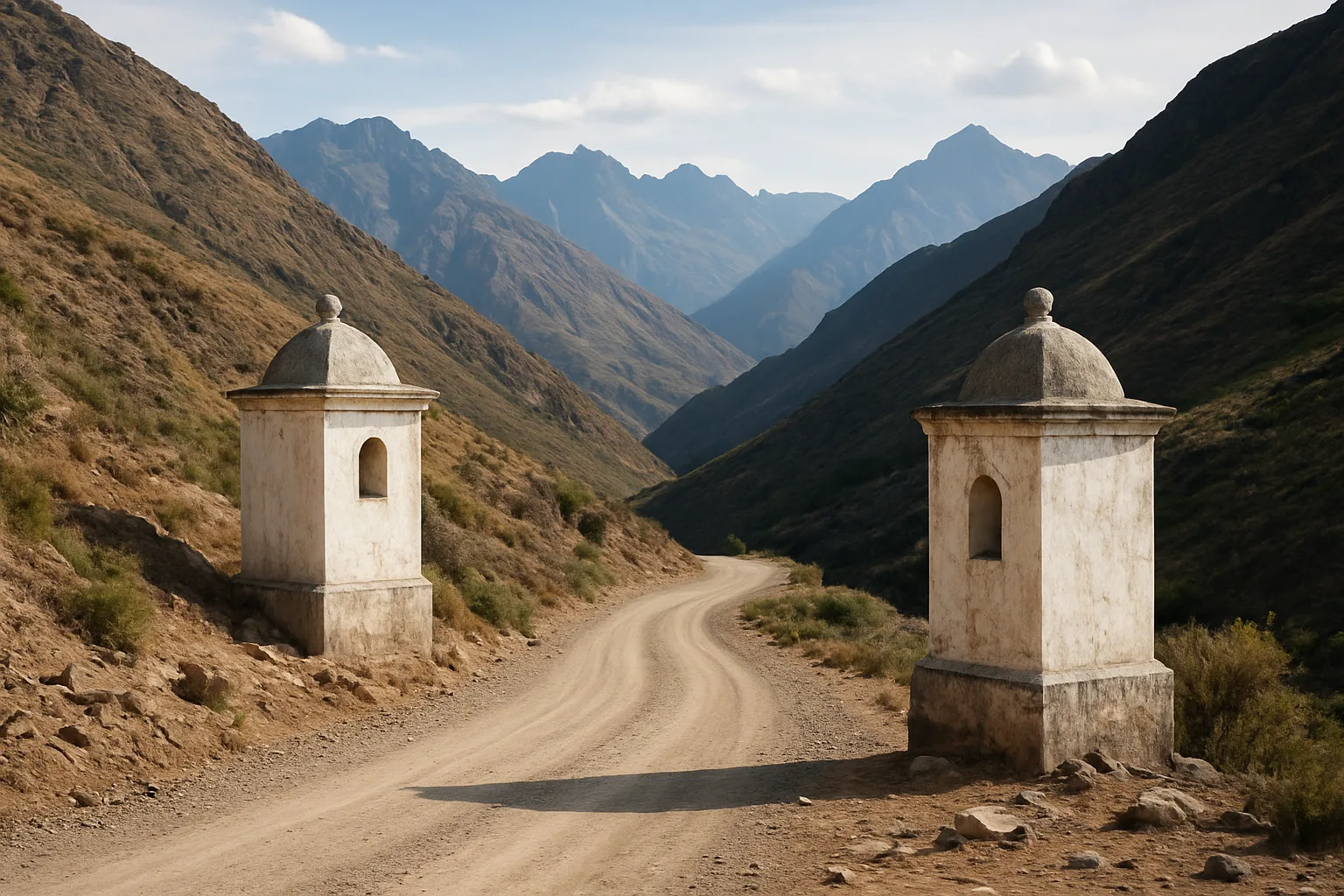
Yet, unlike the bustling plains below, Kinnaur was not to be integrated fully into the colonial mainstream. Instead, the British crafted a policy of ‘restricted access’—a phrase that would come to define the region’s fate. Travel permits became mandatory for outsiders, even as administrative posts were established in Rampur and Chini (now Kalpa). The rationale was twofold: to prevent political unrest spilling across the border, and to control the lucrative, tax-generating trade routes that threaded through the mountains.
Isolation by Design: The Mechanics of Colonial Restriction
The implementation of restricted access was methodical. Official records from the Punjab government describe a system of passes and checkposts that monitored every movement in and out of Kinnaur. European visitors required explicit permission from the Lieutenant Governor, while Indian merchants faced new tolls and bureaucratic hurdles. Local rulers—the Bushahr rajas—were kept as nominal sovereigns but were expected to report regularly to British agents stationed nearby.
This policy of isolation had profound effects. While some degree of remoteness had always defined Kinnaur, colonial restrictions formalized its separation from both the Indian heartland and Tibet. The region’s ancient trade with Lhasa and Gartok declined sharply, as British suspicion of ‘foreign’ influences hardened after the 1857 Rebellion and the Great Game’s shadow grew. The movement of pilgrims to sacred sites like Mount Kailash slowed, and the Kinnauri people themselves were increasingly viewed as subjects to be managed rather than partners in trade or governance.
Communities Behind Closed Borders: Social and Cultural Consequences
Within the newly drawn lines, Kinnaur’s communities adapted to a changed world. The old rhythms of seasonal migration and barter gave way to a more insular existence. Oral traditions from this era speak of longing for the open routes of the past and a mounting sense of separation from kin across the mountains. The great fairs at Sarahan and Pooh, once thronged with travelers from distant lands, became quieter affairs, attended mainly by locals.
Yet, isolation also had its paradoxical benefits. With colonial authorities largely content to leave the intricate social fabric of Kinnaur untouched so long as the peace held, indigenous institutions—village councils, clan-based landholdings, and ritual associations—persisted with little interference. The syncretic faith of the region, blending Buddhist and Hindu elements, continued to flourish behind the walls of monasteries and temples. The British penchant for classifying and cataloguing, evident in their detailed gazetteers, often failed to capture the nuanced realities of Kinnauri life.
Hill States, Trade, and the Changing Map of Power
The colonial period witnessed the gradual decline of Kinnaur’s role as a trade nexus. The rise of British-controlled hill states and the establishment of customs houses in Shimla and Rampur shifted the economic center of gravity southwards. While the Bushahr rajas retained nominal authority, their power was increasingly circumscribed by British regulations and economic realities. Revenue records from the late nineteenth century reveal a steady drop in customs income and population movements, as opportunities for cross-border trade diminished.
Still, the memory of older networks lingered. Elders in Kinnaur would speak of a time when the region’s valleys echoed with the languages of Ladakh, Tibet, and the Gangetic plains. Family ties, once stretching across borders, were now bound by the red lines of colonial maps. The sense of being at the edge of empire—neither fully within nor wholly outside—became a defining feature of Kinnauri identity during this era.
Echoes of the Past: Legacy of Colonial Isolation
Today, the legacy of colonial-era restrictions remains imprinted on Kinnaur’s landscape and consciousness. The region’s distinct dialects, customs, and religious practices have survived in part because of the boundaries drawn during the British period. Yet, the pain of separation—from lost trade, sundered families, and the closing of ancient routes—continues to shape how Kinnauris view themselves and their place in the wider world.
As motor roads and digital networks now pierce the old barriers, Kinnaur faces a new set of challenges and opportunities. Its story, marked by resilience and adaptation, prepares us to examine the next chapter: the stirrings of modernity and the slow re-opening of the hills during the late colonial and early post-Independence period. The journey from isolation to engagement is far from over, and in our next installment, we trace how Kinnaur began to emerge from its enforced solitude, seeking new connections while holding fast to the strengths forged in its years of seclusion.
Previous: Life of Tribal Communities Under British Rule
Next: End of Princely and Colonial Control in Kinnaur