
Series: History of Kullu, Himachal Pradesh, India
Phase 4: British Period — Part 20 of 30
This article is part of a wider series tracing the transformation of the western Himalayas under colonial influence. As British authority extended into the hills, existing political systems were restructured through treaties, administration, and new forms of governance. This phase considers how colonial rule reshaped society, economy, and space while leaving lasting imprints on local identity.
Whispers of Change in the Valley
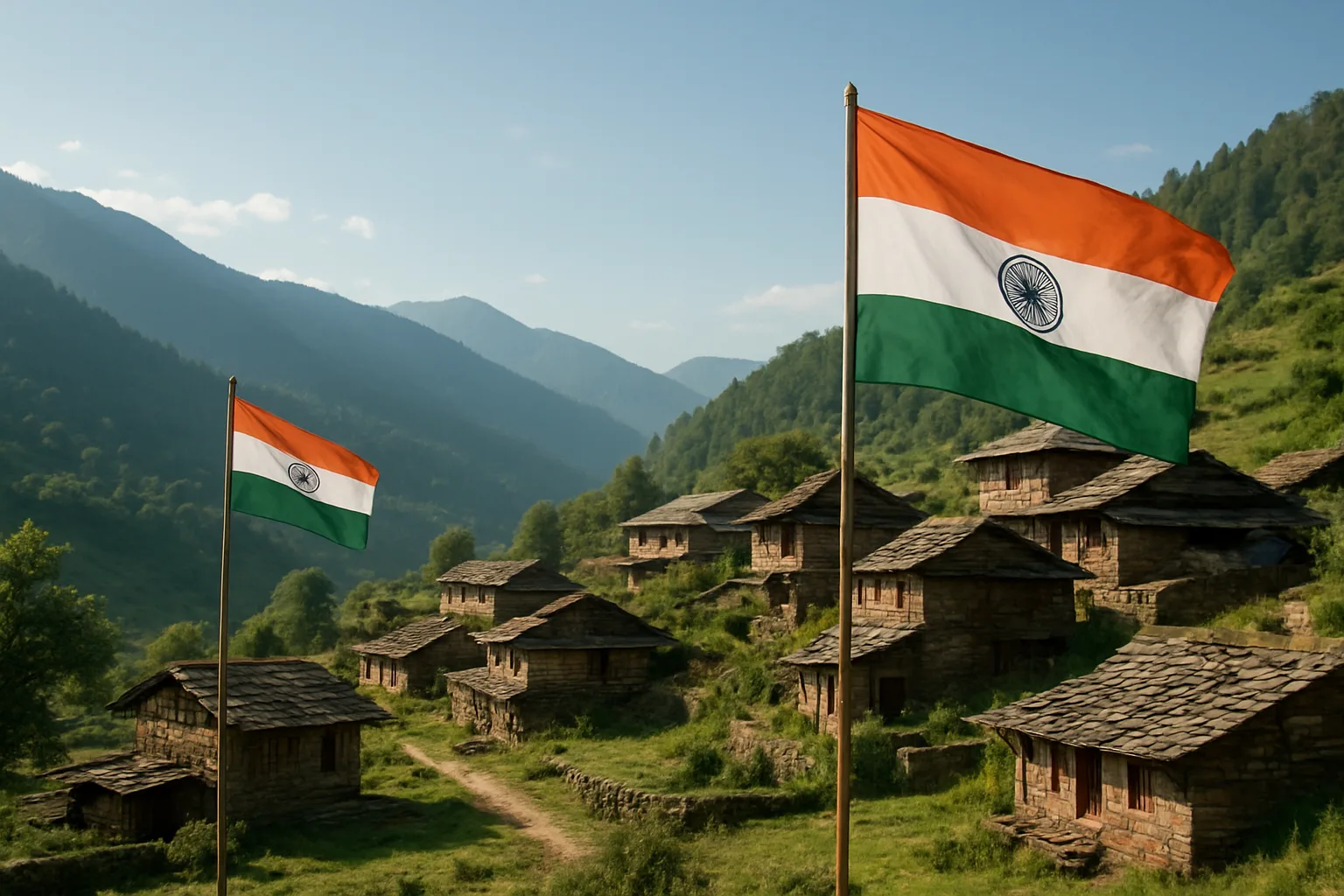
The year is 1921. The crisp morning air of Kullu is filled with the scent of pine and the distant chants of villagers gathering near the stone steps of the Raghunath Temple. The valley, ensconced between snow-capped ridges and ancient cedar forests, seems far from the cities where the struggle for Indian independence has begun to ignite. Yet, as the first rays of sun brush the rooftops of Sultanpur, something new stirs among the people—hope, uncertainty, and the first embers of resistance against imperial rule.
Kullu Before the Storm: A Region on the Periphery
Until the late nineteenth century, Kullu’s place in the subcontinent’s political tapestry was both marginal and unique. Isolated by geography, the valley’s rulers, known as the Rajas of Kullu, had long navigated a delicate dance—balancing local tradition, trade with Tibet, and the encroaching interests of the Sikh Empire and, later, the British Raj. The people of Kullu, a mosaic of Pahari communities, shepherds, artisans, and traders, maintained a distinct identity shaped by ancient oral traditions and seasonal rhythms. Their festivals, like Dussehra, and their worship of local deities, anchored life in a world that felt timeless—until the outside world began to intrude in earnest.
The Arrival of the British and the Quiet Reordering
After the First Anglo-Sikh War in 1846, Kullu was annexed to the British Punjab. British administrators arrived, their presence first felt in the establishment of new revenue settlements and the mapping of the valley’s resources. The British did not rule directly but through the hereditary rajas, who became subordinate—expected to maintain order, collect taxes, and provide men for the colonial state’s wars. Early colonial gazetteers noted the people’s seeming docility, but beneath the surface, resentment simmered. The imposition of new taxes and forest laws—restricting grazing and wood collection—quietly eroded old rights and livelihoods, especially among the Gujjar and Gaddi communities.
Echoes of the Nationalist Movement: News from Afar
In the early twentieth century, the freedom movement was still a distant phenomenon in Kullu. The valley’s remoteness, lack of roads, and illiteracy insulated it from the political ferment of the plains. Yet, stories filtered in—brought by traders returning from markets in Mandi and Rampur, by government officials, and by rare newspapers read aloud in tea shops. The tales of Gandhi’s non-cooperation campaigns, of students boycotting classes in Lahore, and of the salt satyagraha traveled up the Beas valley, taking root in hearts that longed for dignity and justice.
Local Leaders and the First Signs of Defiance
By the late 1920s and 1930s, the first local voices began to rise. Oral traditions recall the names of teachers, small traders, and even a few raja’s advisors who dared to question colonial policy. While documentation is sparse, district records mention petitions against excessive taxation and forced labor (begar), especially for road construction. The formation of early associations—often disguised as cultural or religious gatherings—allowed villagers to share grievances and experiment with collective action. The valley’s unique geography made clandestine meetings possible, hidden in pine groves or behind temple courtyards. The British, wary of unrest in the hills, monitored these developments with caution.
The War Years: Recruitment, Resistance, and Sacrifice
World War II brought the imperial state’s demands closer to home. Young men from Kullu were recruited into the British Indian Army, lured by the promise of pay but aware of the risks. The pressures of war—rationing, conscription, and stricter controls—deepened discontent. Oral histories speak of families divided: some loyal to the Raj for survival, others quietly sympathetic to the freedom cause. In 1942, the echoes of the Quit India Movement finally reached the valley. Though large-scale protests were rare, small acts of non-cooperation multiplied. Schoolteachers resigned, taxes were withheld, and a handful of bold souls braved arrest for distributing Congress pamphlets or refusing to assist British officials.
Kullu’s Dussehra: Festival as Protest
Perhaps the most vivid symbol of Kullu’s awakening came during the annual Dussehra festival. Traditionally a time for gathering and worship, Dussehra in the 1940s became a subtle stage for nationalist sentiment. Local leaders used the crowd to speak in veiled terms about swaraj (self-rule) and justice. The festival’s rituals—processions, collective prayers, and the burning of effigies—took on new meaning. British intelligence files from the period record unease at the growing crowds and the undercurrent of anti-colonial feeling. The old and the new melded: sacred tradition became a vessel for protest, and the valley’s deities, invoked for protection, were now also called upon for freedom.
The Dawn of Independence and the End of the Old Order
When independence finally arrived in August 1947, Kullu was not untouched by the violence and uncertainty that rippled across the subcontinent. The princely state system was dismantled; the raja’s authority faded, and the valley’s people faced a new future as citizens of a democratic India. The transition was not seamless—old hierarchies lingered, and the challenges of integration were real. Yet, the memory of resistance, of quiet acts of courage, endured.
Legacy of Struggle: Echoes in Modern Kullu
Today, as Kullu’s markets bustle and tourists flock to its apple orchards and mountain trails, the memory of the freedom movement may seem distant. Yet, the values forged in that era—autonomy, collective action, and a fierce sense of place—still shape the valley’s civic life. Local festivals, cooperative societies, and the ongoing defense of community rights all bear the imprint of a time when even the quietest corners of the Himalayas claimed their voice in India’s story. In the next chapter of this series, we will follow the first decades of independent Kullu and trace how the valley’s traditions adapted to the sweeping changes of modern India.
Previous: Roads, Trade, and Connectivity During British Times
Next: Kullu After Independence: Administrative Changes