
Series: Finance for Kids
Phase 13: Resources, Environment & Society — Part 166 of 166
Teaching Kids Compassion and Avoiding Comparison
In today’s world, children are often surrounded by messages about wealth and success. Social media, advertisements, and even conversations can make kids feel as though they need to have more, be better, or keep up with others. It’s important for parents and educators to teach children about compassion and the dangers of comparison. This not only helps them develop a healthy relationship with money but also nurtures their emotional well-being.
Understanding Compassion
Compassion is the ability to understand and care for others. It involves recognising someone else’s feelings and wanting to help them. For children, compassion can be a powerful tool in their social interactions and can also influence how they view money and possessions.
Why Compassion Matters
When children learn compassion, they become more aware of the needs of others. This awareness can lead to positive actions, such as sharing, helping, and giving. It also helps them realise that not everyone has the same opportunities or resources. Teaching kids to care for others can create a sense of community and support, which is essential in their personal growth.
Recognising Comparison
Comparison happens when we look at what others have and measure our own worth against that. This can lead to feelings of inadequacy or jealousy, especially in children. It’s crucial to help kids understand that everyone’s journey is different and that comparing themselves to others is not a fair measure of their value.
The Effects of Comparison
When children frequently compare themselves to others, they may:
- Feel unhappy or dissatisfied with what they have.
- Develop low self-esteem.
- Struggle to appreciate their own unique qualities.
By encouraging compassion, we can help children focus on what they can do for others rather than what they lack compared to others.
Step-by-Step Tips for Teaching Compassion
1. Lead by Example
Children learn a lot from observing adults. Show compassion in your everyday actions. Whether it’s helping a neighbour or volunteering, let your children witness kindness in action. Share stories about people who have helped others, and discuss the positive outcomes of those actions.
2. Encourage Empathy
Talk to your kids about how others might feel in different situations. Ask questions like, “How do you think your friend feels when they don’t have a new toy?” This helps children put themselves in someone else’s shoes and understand their feelings.
3. Promote Sharing and Giving
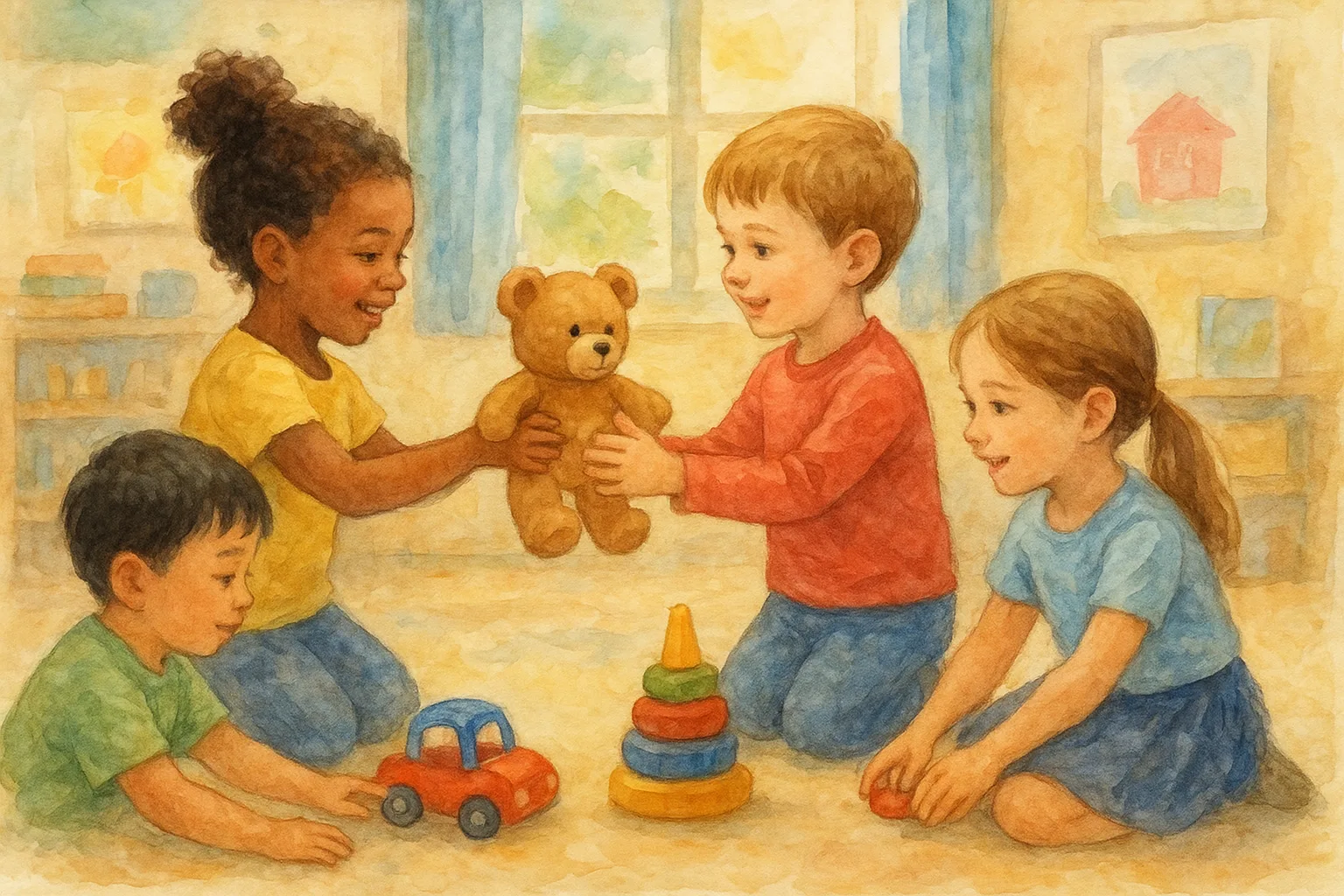
Encourage children to share their toys or games with friends and siblings. You can also involve them in charitable activities, like donating toys or clothes to those in need. This teaches them the joy of giving and the importance of helping others.
4. Discuss Money Mindfully
When discussing money, focus on values rather than possessions. Instead of asking, “How much did you spend?” try asking, “What was the most thoughtful gift you gave?” This shifts the focus from how much something costs to the meaning behind it.
5. Create a Compassionate Environment
Foster an environment where kindness is celebrated. Praise your children when they show compassion and remind them of the positive impact they have on others. Create family traditions that involve helping others, such as volunteering together or supporting a cause.
Myths About Money and Comparison
Myth 1: Money Equals Happiness
Many people believe that having more money means being happier. However, true happiness often comes from relationships, experiences, and helping others.
Myth 2: Everyone Is Wealthy
Children may perceive their peers as being wealthier than they are. It’s important to explain that not everyone has the same resources, and that’s okay. Everyone has different strengths and challenges.
Myth 3: Comparing Is Healthy
While some comparison can motivate, excessive comparison can lead to negative feelings. Teach children to appreciate their own unique qualities and achievements instead.
Conclusion
Teaching kids compassion and helping them avoid the pitfalls of comparison is essential for their emotional and financial well-being. By leading by example and fostering an environment of kindness, we can help children develop a healthy relationship with money and a strong sense of empathy. Remember, it’s not about what they have, but how they treat others that truly matters.
This article provides general educational information only and is not financial advice. Always seek guidance from a qualified professional for personal financial decisions.
Previous: Helping Kids Understand That Budgeting Is Personal