
Series: Finance for Kids
Phase 13: Resources, Environment & Society — Part 155 of 166
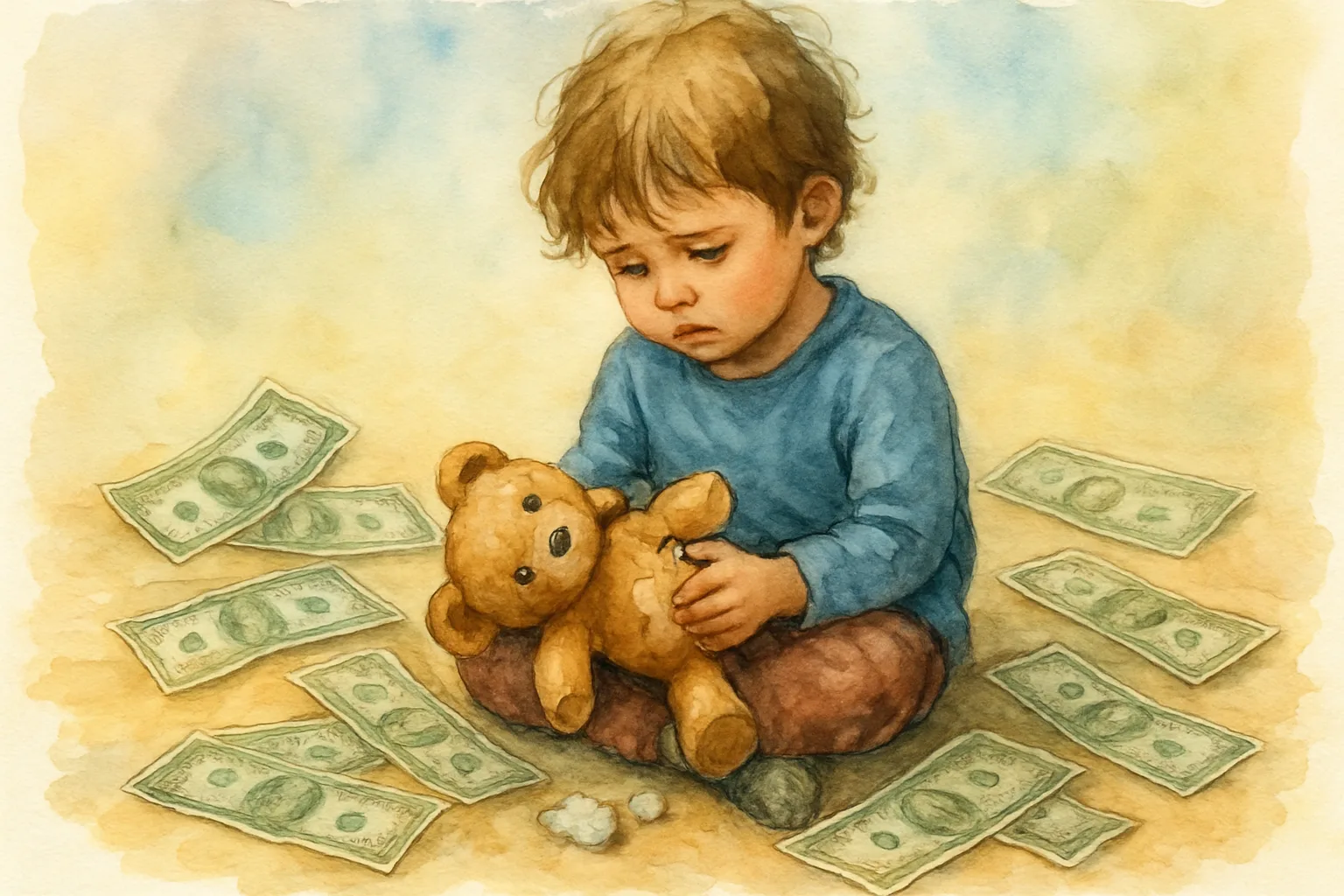
Helping Kids Understand That Accidents Cost Money Too
Accidents happen! Whether it’s a spilled drink, a broken toy, or a lost item, mistakes are a part of life. But did you know that accidents can also cost money? Teaching kids about the costs associated with accidents can help them become more responsible and mindful in their daily activities.
Why Understanding Costs is Important
Understanding that accidents can have financial implications is vital for children. It helps them:
- Learn responsibility for their actions.
- Appreciate the value of money and resources.
- Make better choices in the future.
Everyday Examples of Accidental Costs
Kids might not realise that their actions can lead to costs. Here are some everyday examples:
- Spilled Drinks: If a child spills juice on the carpet, it may require cleaning or even replacement.
- Broken Toys: When toys are broken, they might need to be replaced, costing money that could have been saved for something else.
- Lost Items: Losing a favourite book or game may mean having to buy a new one, which could be avoided with care.
- Damage to Property: Accidental marks on walls or furniture can lead to repair costs.
Step-by-Step Tips to Teach Kids
1. Use Real-Life Scenarios
Involve your child in discussions about costs linked to accidents. For example, if something breaks, talk about how much it costs to replace it and where that money comes from.
2. Encourage Responsibility
Teach children to take care of their belongings. Set up a system where they are responsible for keeping their items safe. This can include:
- Having a designated place for toys and books.
- Using coasters for drinks to prevent spills.
- Setting reminders to check for important items before leaving a place.
3. Discuss the Value of Money
Help kids understand the effort it takes to earn money. You can do this through:
- Giving them small chores to do for pocket money.
- Talking about how you earn your money and what you spend it on.
4. Create a ‘Cost of Accidents’ Chart
Make a simple chart listing common accidents and their costs. This can be a fun activity where your child helps create it. For example:
- Spilled juice: £5 for cleaning products.
- Broken toy: £10 for a new one.
- Lost book: £7 for a replacement.
This visual can help them see the real impact of their actions.
5. Practice Mindfulness
Teach children to think before they act. Encourage them to pause and consider the consequences of their actions. For instance, before running inside with a drink, they can remind themselves to be careful.
Myths About Costs and Accidents
Myth 1: It’s No Big Deal
Some kids may think that accidents are minor. In reality, even small spills or breaks can add up, leading to significant costs over time.
Myth 2: Someone Else Will Fix It
Kids may believe that parents or teachers will always take care of accidents. While adults often help, it’s essential for children to understand their role in preventing and managing accidents.
Myth 3: Money Grows on Trees
Children might think that money is easy to get. By teaching them about the costs of accidents, they can learn that money must be earned and spent wisely.
Conclusion
Helping children understand that accidents can cost money is an important lesson in responsibility and mindfulness. By using everyday examples and engaging activities, parents and educators can teach kids to appreciate the value of money and take care of their belongings. This foundation can lead to better decision-making as they grow.
This article provides general educational information only and is not financial advice. Always seek guidance from a qualified professional for personal financial decisions.
Previous: Explaining Why Pets and Vehicles Cost Money to Maintain
Next: How to Talk to Kids About Generational Wealth