
Series: Finance for Kids
Phase 13: Resources, Environment & Society — Part 154 of 166
Understanding the Costs of Pets and Vehicles
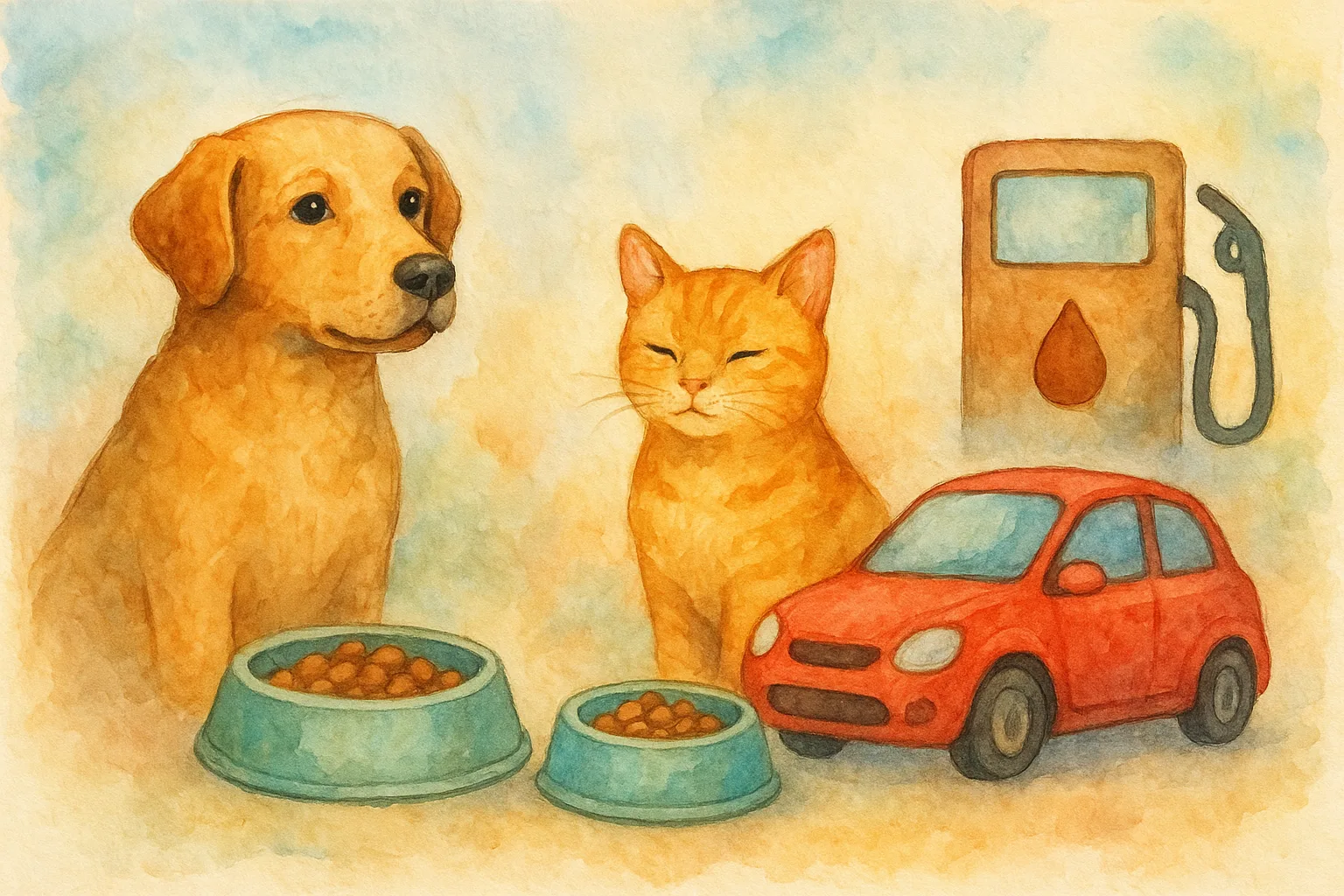
Teaching children about money can be fun and engaging, especially when it relates to things they love, like pets and vehicles. Both pets and vehicles are wonderful parts of our lives, but they come with a range of costs. Understanding these costs helps kids grasp the concept of money management and responsibility. Let’s explore why pets and vehicles cost money to maintain.
Why Do Pets Cost Money?
Pets are more than just companions; they require care and resources. Here are some common costs associated with owning a pet:
- Food: Just like humans, pets need to eat a balanced diet. Dog food, cat food, or food for other pets adds up over time.
- Vet Visits: Regular check-ups and vaccinations keep pets healthy. Sometimes pets get sick or need treatment, which can be costly.
- Grooming: Some pets need grooming, such as haircuts or baths, which can also come with a price.
- Supplies: Pets need toys, beds, leashes, and other supplies that can add to the overall cost.
- Training: Teaching a pet commands or proper behaviour might require classes or materials.
Discuss these costs with your child. Use a simple chart to show them how much money is needed each month for food, vet visits, and more. This visual representation can help them understand the ongoing nature of these expenses.
Why Do Vehicles Cost Money?
Vehicles are essential for many families, but they also require careful financial planning. Here are the typical costs of owning a vehicle:
- Fuel: Cars need petrol or diesel to run. Explain how the price of fuel can change regularly and how it affects driving budgets.
- Insurance: Just like pets need health care, vehicles need insurance to protect against accidents or theft.
- Maintenance: Regular servicing, oil changes, and tyre replacements keep vehicles running smoothly. These services can be costly but are necessary.
- Road Tax: Most vehicles require a tax to be driven legally on the road, which is an ongoing cost.
- Repairs: Unexpected issues, like a flat tyre or engine trouble, can happen and may require urgent financial attention.
To help children understand vehicle costs, consider creating a ‘vehicle budget’ together. List the expected monthly expenses and compare them to the costs of other things, like a family holiday or outings.
Step-by-Step Tips for Teaching About Costs
Here are some practical steps to help children learn about the costs of pets and vehicles:
- Make it Visual: Use charts or drawings to illustrate the costs associated with pets and vehicles. Kids often understand better when they can see information presented clearly.
- Involve Them in Budgeting: If you have a pet, involve your child in budgeting for pet care. Let them help decide how much to spend on food or toys each month.
- Use Real-Life Examples: Share stories or examples of how much certain pet treatments or vehicle repairs cost. This makes the information relatable.
- Encourage Questions: Invite your child to ask questions about money and costs. Answer them honestly to build trust and understanding.
- Discuss Savings: Talk about how saving money can help cover these expenses. Show them how putting money aside can prepare for unexpected costs.
Myths About Pets and Vehicles
There are some common myths surrounding the costs of pets and vehicles. Let’s clear a few up:
- Myth 1: Pets are cheap to maintain. Reality: While some pets may seem inexpensive, their care can add up quickly.
- Myth 2: Vehicles are just a one-time cost. Reality: Cars incur ongoing expenses, from fuel to insurance and repairs.
- Myth 3: You only need to worry about costs when something goes wrong. Reality: Regular budgeting and maintenance can prevent costly surprises later!
Conclusion
Understanding the costs of pets and vehicles is a crucial lesson for children. By discussing these expenses openly and involving kids in budgeting, you help them develop essential life skills. Encourage them to ask questions and explore the financial aspects of caring for pets and maintaining vehicles. With a little guidance, they will appreciate the importance of money management and responsibility.
This article provides general educational information only and is not financial advice. Always seek guidance from a qualified professional for personal financial decisions.
Previous: How to Talk About Unexpected Expenses With Children
Next: Helping Kids Understand That Accidents Cost Money Too