
Series: History of Chamba, Himachal Pradesh, India
Phase 4: British Period — Part 19 of 30
This article is part of a wider series tracing the transformation of the western Himalayas under colonial influence. As British authority extended into the hills, existing political systems were restructured through treaties, administration, and new forms of governance. This phase considers how colonial rule reshaped society, economy, and space while leaving lasting imprints on local identity.
The Evening Before Change
On a chill evening in the early 1920s, the winding alleys of Chamba town echoed with the distant ring of temple bells and the low murmur of traders closing their shops. Clouds clung to the Dhauladhar peaks, and the Ravi River below moved with the same steady patience that had defined the valley for centuries. Yet beneath this surface calm, a subtle current stirred—a current that, in time, would carry Chamba’s people into the broad sweep of India’s struggle for independence.
Chamba Under the British Gaze
Chamba’s history as a princely state predates colonial intervention by centuries. Founded, according to documented tradition, by Raja Sahil Varman in the 10th century, it had long negotiated its autonomy amid the push and pull of larger Himalayan empires and the Mughal presence to the south. But following the Anglo-Sikh wars and the consolidation of British power in the Punjab hills, Chamba was drawn—willingly or not—closer into the orbit of the Raj.
The British recognized Chamba as a “protected state”. Its rajas continued to rule, but with growing British oversight, especially in revenue, justice, and external affairs. The Political Agent’s visits became more frequent; the Gazetteer of 1904 records the region’s prosperity in agriculture, wool, and trade, but also notes the growing influence of colonial administration. The ancient rhythms of Chamba’s villages, temples, and fairs now shared space with new rules, taxes, and an ever-watchful officialdom.
Hill States and Quiet Resistance
Unlike the great urban centers of the plains, where the freedom movement’s rallies and boycotts filled the streets, the struggle in Chamba took subtler forms. The people here—a tapestry of Rajputs, Brahmins, Gaddis, Gujjars, and artisans—were bound to the land and their rulers by ancestral custom. Oral traditions recall the pride of the hill folk, their fierce attachment to autonomy, and their suspicion of outsiders. Yet the winds of change arrived nonetheless, carried by traveling sadhus, itinerant teachers, and the rare student returning from Lahore or Shimla with tales of Gandhiji’s salt march or the Non-Cooperation Movement.
Local resistance often wore the garb of everyday defiance: contesting new taxes, or refusing to supply forced labor for colonial roadworks. Petitions circulated quietly; small gatherings debated the meaning of “swaraj” beneath deodar trees. While Chamba’s rajas walked a careful line—publicly loyal to the British, privately wary of unrest—some within the court and among the town’s educated elite began to listen more closely to the distant thunder of change.
Influences from Afar: Trade, Ideas, and Reform
Chamba’s old trade routes, once busy with caravans bound for Kashmir and Tibet, became channels for more than wool and salt. By the late 19th century, news of reform and revolt filtered in along these ancient paths. The Arya Samaj’s teachings reached the hills, challenging orthodoxy and inspiring local debates about caste, education, and self-rule.
Mission schools in Chamba town, established under British patronage but staffed by Indian teachers, quietly spread literacy. Their students—boys and a handful of girls—would become the first generation to read about freedom, rights, and new forms of identity. Some took their questions home to their villages; others ventured as far as Lahore or Delhi, where the Indian National Congress was beginning to speak for all of India’s peoples, hills included.
Local Leaders, Local Struggles
The freedom movement in Chamba, as elsewhere in the hills, was shaped by local realities. There were no mass strikes or spectacular acts of sabotage. Instead, leadership emerged in quieter forms: teachers who hosted reading circles, monks who counseled non-cooperation, and traders who supported national causes more discreetly. In the 1930s and 1940s, a few Chamba youths joined the wider Himachal Pradesh Praja Mandal, an organization advocating greater rights for the subjects of hill states. Their petitions, sometimes ignored, occasionally caused a ripple in the durbar or a stern letter from the British Political Agent.
Oral accounts from elders recall how the Quit India Movement of 1942 sent a tremor through the valley, even if open rebellion was rare. Some residents offered shelter to activists passing through, while others quietly collected donations for nationalist causes. The memory of these small risks—taken in the shadows of the mountains—remains alive in village storytelling even today.
The Tumult of Partition and Accession
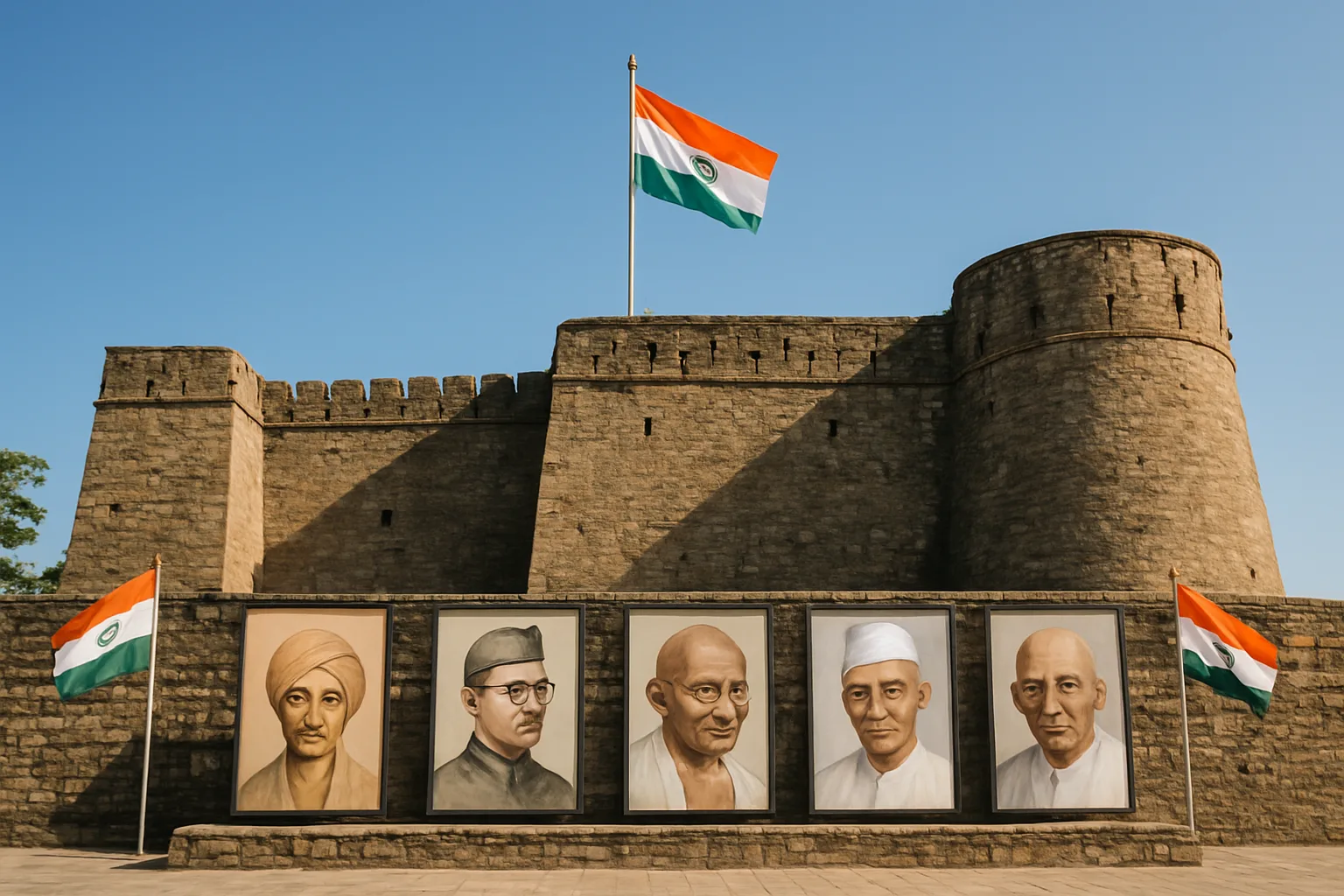
As the British prepared to leave India, anxiety gripped the princely states. Chamba’s raja, like his peers across the Himalayas, was forced to make a fateful decision: whether to accede to the new Indian Union or risk isolation. In August 1947, after tense negotiations and much soul-searching, Chamba signed the Instrument of Accession to India. The royal flag came down, and the tricolor rose above the old Chamba palace.
For many, the transition was bittersweet. The centuries-old order had ended, but with it came the promise of democracy and a new sense of belonging to a nation larger than any one valley. The first elections, the coming of the Panchayati Raj, and the gradual integration of Chamba into Himachal Pradesh’s administrative structure—all these swept through the region like the monsoon, reshaping daily life and aspirations.
Echoes in Today’s Chamba
The story of Chamba’s freedom movement does not fit the mold of mass protest or revolutionary fervor. Yet in the quiet persistence of its people—their insistence on dignity, justice, and self-respect—one finds the same spirit that animated India’s greatest struggles. The lessons of that era linger in Chamba’s schools, its annual fairs honoring local heroes, and the determined voices of its youth.
As we continue this series, we will turn to the decades after independence: a period of transformation, challenges, and renewal, as Chamba found its place in a modern India. The valley’s history, shaped by centuries of negotiation and quiet courage, continues to echo in its winding streets, its temples, and its dreams for the future.
Previous: Life of Common People in Colonial Chamba
Next: End of Princely Rule in Chamba