
Series: The UK Allotment Year
Phase 2: Crop-Specific Growing Guides — Part 15 of 50
This section covers how to grow common UK allotment crops — from potatoes to herbs and soft fruits — including soil tips, spacing, pest control, and harvesting advice.
Growing Brassicas: From Seed to Slug Protection
As the cooler months approach, now is an ideal time to plan and start growing brassicas on your UK allotment. These hardy vegetables—including cabbage, cauliflower, kale, and Brussels sprouts—are stalwarts of the autumn and winter garden. They thrive in cooler conditions and provide fresh, nutritious food when many other crops have finished for the season. However, brassicas can be a magnet for pests like slugs and caterpillars, so understanding how to nurture them from seed to harvest is key to success.
When and How to Sow Brassica Seeds
Timing your sowing correctly ensures strong, healthy plants ready to transplant and flourish outdoors.
- Indoor sowing: Start seeds indoors or in a heated propagator from late February to April for early crops. Use seed trays or modules filled with seed compost. Sow seeds thinly, cover lightly with compost, and keep moist.
- Direct sowing: For some hardy brassicas like kale and certain winter cabbages, sow directly into prepared soil from mid-April onwards.
- Succession sowing: Sow batches every few weeks through spring to stagger harvests and extend your crop’s availability.
Preparing the Soil
Brassicas prefer fertile, well-drained soil with plenty of organic matter.
- Before planting out, enrich the soil with well-rotted compost or garden manure.
- Work the soil to a fine tilth to encourage strong root development.
- Maintain a pH around 6.5 to 7.5; brassicas do not like acidic soils.
Transplanting Seedlings
Once seedlings have 4–6 true leaves and the risk of hard frost has passed (usually from late April to May), harden them off outdoors for a week.
- Plant out seedlings 30–45cm apart, depending on variety, to give them room to grow.
- Water well after planting and mulch with organic material to conserve moisture and suppress weeds.
Watering and Feeding Brassicas
- Keep soil moist but not waterlogged; consistent watering prevents stress and encourages even growth.
- Feed with a balanced organic fertiliser, such as seaweed or comfrey liquid feed, every 3–4 weeks during the growing season.
- Avoid high nitrogen feeds once heads begin to form to prevent loose heads and leafiness.
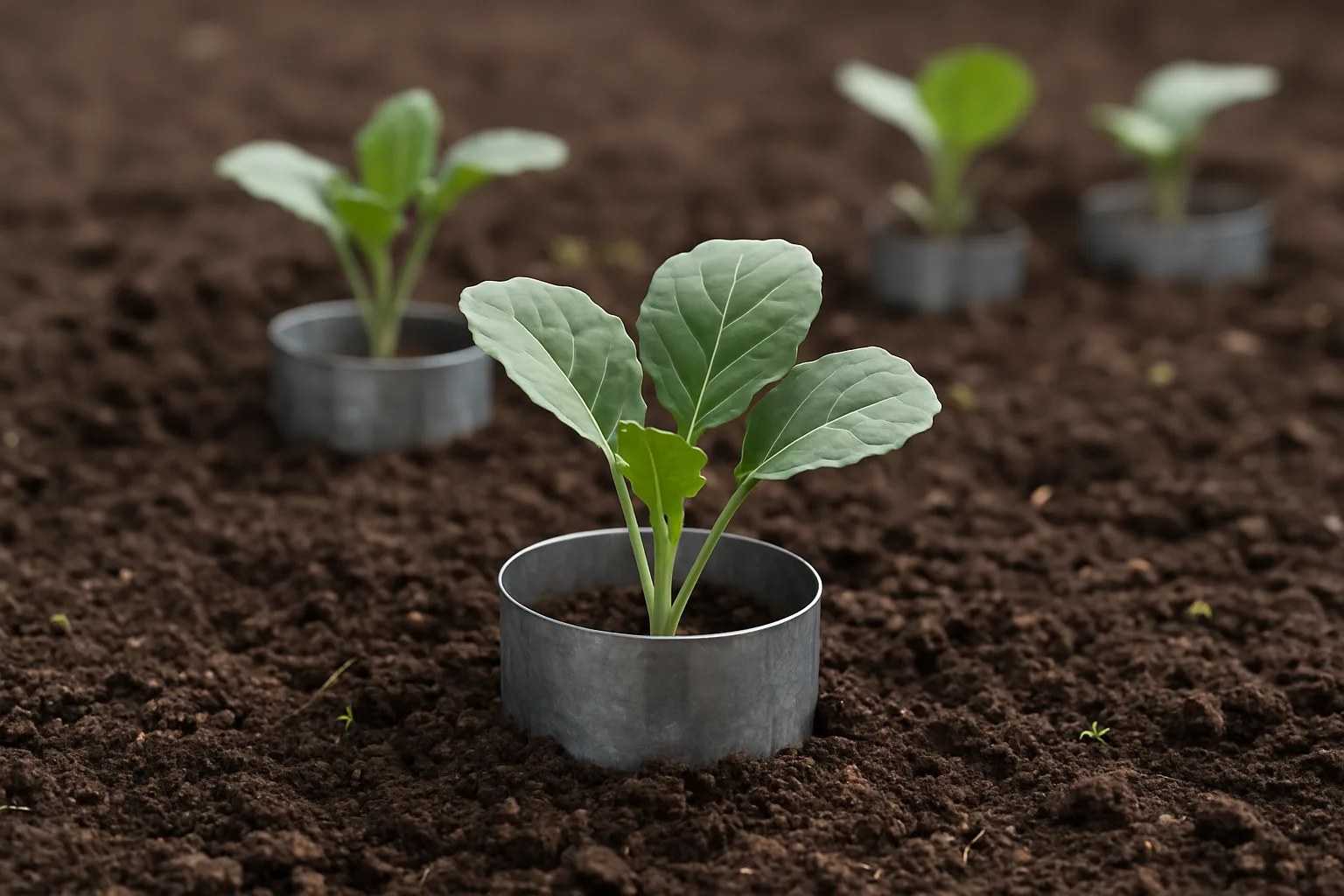
Slug and Pest Protection
Slugs, snails, and caterpillars are common problems for brassicas, especially young plants. Organic protection methods are both effective and environmentally friendly.
- Slug barriers: Surround plants with crushed eggshells, grit, or sharp sand to deter slugs.
- Handpicking: Check plants regularly, especially in the evening or after rain, and remove pests by hand.
- Encourage wildlife: Attract frogs, hedgehogs, and ground beetles by providing habitats, as they naturally reduce slug populations.
- Physical barriers: Use horticultural fleece or cloches to protect young seedlings.
- Caterpillar control: Inspect leaves for eggs and larvae. Remove by hand or spray with organic insecticidal soap if infestations occur.
Common Mistakes to Avoid
- Planting too early: Brassicas planted before the last frost may suffer frost damage.
- Overcrowding: Crowded plants are more prone to disease and poor growth.
- Ignoring pests: Delaying slug control can lead to significant crop loss.
- Poor soil preparation: Neglecting to enrich and loosen soil can stunt brassica growth.
- Overfeeding nitrogen: Excess nitrogen causes lush foliage but poor head formation.
Tools and Materials You’ll Need
- Seed trays or modules and seed compost for starting seedlings.
- Garden fork or spade for soil preparation.
- Watering can or hose with a fine rose.
- Organic fertilisers like seaweed or comfrey liquid feed.
- Mulch materials such as straw, grass clippings, or leaf mould.
- Slug deterrents: crushed eggshells, grit, or horticultural fleece.
- Garden gloves for handpicking pests.
Quick Checklist for Growing Brassicas
- Sow seeds indoors from late Feb to April or direct sow hardy types from mid-April.
- Prepare soil with organic matter and ensure good drainage.
- Harden off and transplant seedlings after last frost, spacing plants properly.
- Water consistently and feed organically every few weeks.
- Monitor regularly for slugs and caterpillars; apply organic control methods promptly.
- Mulch to retain moisture and suppress weeds.
Next Steps for This Month
If you’re reading this in late winter or early spring, get your brassica seeds ordered and start sowing indoors. Prepare your allotment beds by clearing debris and adding compost. As the weather warms, begin hardening off seedlings and plan your planting layout. Keep an eye out for early signs of pests and set up slug protection measures before transplanting. With steady care and timely action, your brassicas will reward you with a bountiful harvest through the cooler months.
Previous: Perfecting Carrots: Avoiding Forked Roots and Carrot Fly
Next: Tomatoes in the UK Climate: Greenhouse vs. Outdoor Varieties