
Series: The UK Allotment Year
Phase 2: Crop-Specific Growing Guides — Part 16 of 50
This section covers how to grow common UK allotment crops — from potatoes to herbs and soft fruits — including soil tips, spacing, pest control, and harvesting advice.
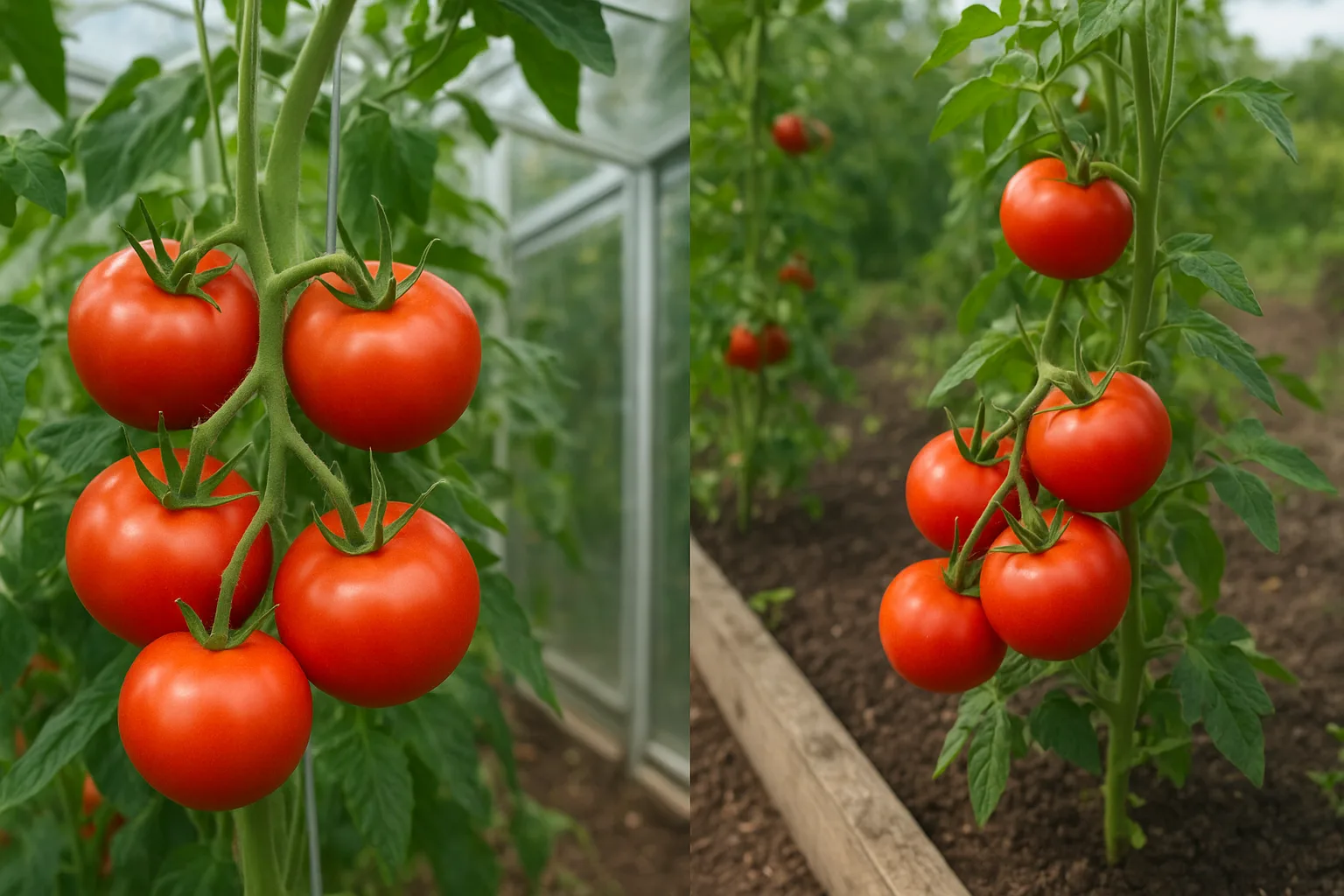
Tomatoes in the UK Climate: Greenhouse vs. Outdoor Varieties
As spring settles in, allotment holders across the UK are eager to start planting one of the most rewarding crops: tomatoes. Whether you’re considering cosy greenhouse varieties or hardier outdoor types, understanding which tomato suits your plot and how to care for them now can make all the difference to your summer harvest. This guide breaks down the key differences, seasonal tasks, and practical tips for growing tomatoes successfully in the UK climate.
Why Choosing the Right Tomato Variety Matters
The British weather is famously unpredictable, and tomatoes are a sun-loving crop that can struggle with our cooler, wetter climate. Greenhouse varieties often thrive under cover, where warmth and shelter promote ripening. Outdoor varieties, meanwhile, are bred to withstand cooler conditions and shorter growing seasons but still need careful attention.
Picking the right variety for your conditions and allotment setup sets you on the path to success.
Key Differences: Greenhouse vs. Outdoor Tomatoes
- Greenhouse Tomatoes – Typically indeterminate types that grow tall and produce fruit continuously through the summer. They benefit from controlled warmth, protection from wind and rain, and longer growing seasons.
- Outdoor Tomatoes – Usually hardy, bush or cordon varieties bred to cope with cooler temperatures and variable weather. These are often faster to mature but produce a shorter, more concentrated harvest.
Starting Your Tomatoes: Timing and Sowing
- Sow indoor seeds early: Start greenhouse and outdoor tomato seeds indoors from late February to mid-March in a warm spot (around 18-21°C). Use seed trays or small pots with seed compost.
- Prick out seedlings: Once seedlings have two sets of true leaves, transplant them into individual pots to strengthen roots.
- Harden off seedlings: From late April, gradually introduce plants to outdoor conditions over 7-10 days, reducing shock before planting out.
Planting Out: Greenhouse and Outdoor
- Greenhouse planting: Plant out sturdy, hardened-off seedlings from early May onwards. Space plants about 45cm apart, using cages or strings to support vertical growth.
- Outdoor planting: Wait until all risk of frost has passed (usually mid-May onwards). Choose a sheltered, south-facing spot with well-drained, fertile soil. Space plants 60cm apart.
- Soil preparation: Dig in plenty of well-rotted organic matter (compost or manure) a week or two before planting to improve fertility and moisture retention.
Daily and Weekly Care Tasks
- Water consistently: Tomatoes prefer steady moisture. Water at the base early in the day to reduce risks of disease and avoid wetting leaves.
- Feed regularly: Use a balanced organic liquid feed or tomato-specific fertiliser every 1-2 weeks once flowers appear.
- Prune and train: Greenhouse tomatoes often need side shoots pinched out to focus energy on fruit. Outdoor varieties benefit from staking or canes to prevent damage in wind.
- Ventilate greenhouse: On warm days, open vents or doors to prevent overheating and reduce humidity, which can cause fungal problems.
- Monitor for pests and diseases: Watch for aphids, blight, and whitefly. Organic control methods include handpicking, encouraging beneficial insects, and removing affected leaves promptly.
Harvesting and Using Your Tomatoes
- Pick when ripe: Tomatoes are ready to harvest when they are fully coloured and slightly soft to the touch. Greenhouse varieties may ripen a bit earlier.
- Harvest regularly: Frequent picking encourages more fruit to develop.
- Store properly: Keep tomatoes at room temperature away from direct sunlight. Avoid refrigeration as it can affect flavour and texture.
- Use creatively: Fresh salads, sauces, chutneys, and freezing or drying are great ways to enjoy your crop beyond the summer months.
Quick Checklist for Growing Tomatoes in the UK
- Sow seeds indoors late Feb to mid-March.
- Prick out seedlings and harden off from late April.
- Prepare soil with organic matter before planting mid-May.
- Plant greenhouse tomatoes 45cm apart; outdoor 60cm apart.
- Water consistently and feed fortnightly once flowering starts.
- Prune side shoots on greenhouse varieties; stake outdoor plants.
- Ventilate greenhouse daily in warm weather.
- Monitor and manage pests organically.
- Harvest regularly once fruit ripens.
Common Mistakes to Avoid
- Planting out too early: Frost can seriously damage young tomatoes. Wait until late May or when nights stay reliably above 10°C.
- Overwatering or underwatering: Both stress plants and reduce fruit quality. Aim for consistent moisture, avoiding soggy soil.
- Neglecting ventilation: High humidity in greenhouses promotes diseases like blight and powdery mildew.
- Ignoring pruning needs: Failure to remove side shoots on indeterminate greenhouse tomatoes leads to overcrowding and poor air circulation.
- Using synthetic feeds unnecessarily: Organic compost and liquid feeds support soil health and reduce chemical residues.
Tools and Materials for a Successful Tomato Crop
- Seed trays and pots for sowing and pricking out.
- Good-quality seed compost and well-rotted organic matter for soil prep.
- Supports: tomato cages, bamboo canes, or string supports.
- Watering can or hose with fine rose.
- Organic liquid tomato feed or homemade comfrey feed.
- Mulch (straw, grass clippings) to retain moisture outdoors.
- Garden scissors or secateurs for pruning.
- Ventilation tools: greenhouse vents, fans, or simply opening doors.
What to Do This Month
Whether you’re growing in a greenhouse or outdoors, late April through May is all about preparing and planting. Start your seeds indoors if you haven’t already, harden off young plants by gradually exposing them to outdoor conditions, and get your soil ready with plenty of organic matter. Plan your support system and organise your watering routine.
For greenhouse growers, ensure vents and shading options are ready for warmer days. Outdoor growers should watch the weather and delay planting out until the risk of frost has passed. Keep an eye on forecast changes and protect young plants with cloches or fleece if cold snaps threaten.
With thoughtful preparation and attention to seasonal timing, your tomatoes will reward you with a bountiful, flavoursome harvest through the summer months.
Previous: Growing Brassicas: From Seed to Slug Protection
Next: Onions and Shallots: Planting Sets and Harvest Timing