
Series: History of Solan, Himachal Pradesh, India
Phase 2: Medieval Period — Part 6 of 30
This article forms part of a continuing series that follows the gradual emergence of organised power in the western Himalayas. As small communities gave way to clans, chieftainships, and hill states, patterns of rule, alliance, and conflict began to take shape. This phase examines how authority was negotiated through land, ritual, and warfare, laying the groundwork for regional kingdoms that would dominate the medieval landscape.
The Mist on the Fort: Dawn in Medieval Solan
In the predawn hush, a low horn echoes across the valley. Mist shrouds the hilltop stronghold, and the shape of a lone sentinel emerges on the ramparts. This is not a scene from legend, but an echo of daily life in medieval Solan—a land of rugged hills, scattered villages, and fiercely independent chiefs. Here, authority is not granted by distant emperors, but earned in the shadows of ancient deodars, where allegiances shift as quickly as the mountain weather.
Roots of Power: The Rise of the Hill Chiefs
The medieval period in Himachal Pradesh, spanning roughly the 8th to 18th centuries, was a tapestry of local rulers vying for survival and influence. Solan, nestled between the Shivalik foothills and the greater Himalayas, was no exception. Unlike the vast plains below, the geography here created natural strongholds—rocky ridges and hidden valleys—where small kingdoms and chieftaincies flourished.
By the 11th century, the region that would one day be called Solan was divided among powerful hill clans. Oral traditions and later chronicles, such as the ‘Tarikh-i-Kangra’ and local Rajput genealogies, trace the rise of the Baghat, Kuthar, and Kunihar chiefs. These families claimed descent from ancient Rajput lineages, but their authority was shaped by local conditions: control over a strategic fort, the loyalty of village headmen, and the ability to command warriors in times of crisis.
Forts, Villages, and the Web of Rule
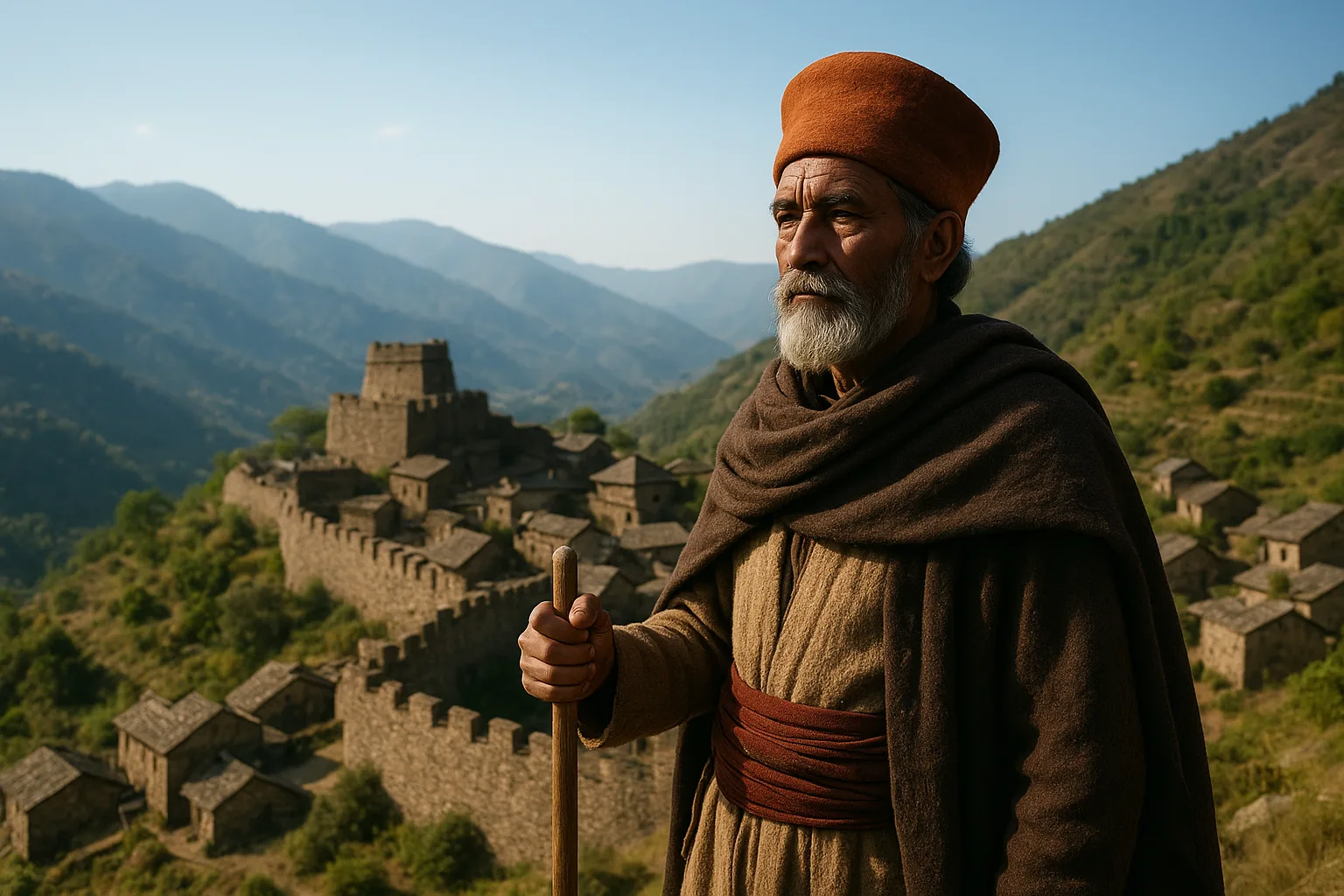
Power in medieval Solan radiated from its forts. These were not only military bastions but living symbols of a chief’s prestige. Kuthar Fort, perched above thick forests, watched over crucial trade routes and served as a seat of justice and administration. The neighboring fort of Baghat, smaller but fiercely defended, protected a cluster of villages along the Sadhupul stream. Each fort presided over a network of hamlets, where peasants paid tribute in grain and labor, and local artisans crafted tools, weapons, and textiles for the chief’s household.
The relationship between chief and villager was complex—a blend of patronage, protection, and sometimes exploitation. The chief’s word was law, but his position was never absolute. Village elders wielded their own influence, especially in matters of land, water rights, and festival traditions. In times of drought or invasion, it was these bonds—knit together by oaths and shared hardship—that determined the fate of the realm.
Warriors in the Mist: Conflict and Alliance
Medieval Solan was no sleepy backwater. The region’s chiefs were constantly tested by rival hill rulers and the ambitions of larger states, such as the powerful Rajas of Bilaspur and Sirmur to the west and south. Skirmishes over grazing grounds or water sources could erupt overnight, with warriors gathering under the banners of their lords to defend ancestral claims.
One of the most memorable episodes comes from the 15th century, when Raja Gopal Singh of Baghat allied with Kuthar’s chief to repel a raid from the plains. According to legend, their combined forces, familiar with every ravine and ridge, ambushed the invaders in the thick forests near present-day Subathu. The victory was celebrated in song and story, and the alliance forged a kinship that would shape the region’s politics for generations.
Yet, alliances were fragile. Marriages between ruling families, such as the union of a Baghat princess with a Kunihar prince, could cement peace for a generation—or, just as easily, spark rivalry if succession was disputed. The chronic instability kept the chiefs vigilant and fostered a culture of martial readiness among even the smallest villages.
Faith and Festivals: The Spiritual Heartbeat
While power played out in the forts, the true rhythm of medieval Solan pulsed through its temples and fairs. Chiefs often presented themselves as protectors of dharma, patrons of local shrines dedicated to deities like Shoolini Devi, from whom Solan would later derive its name. Annual festivals were moments of unity, when villagers gathered to honor the gods, renew communal vows, and—under the watchful eyes of their chiefs—settle disputes.
Temples served as more than spiritual centers; they were repositories of local records, keepers of oral history, and even treasuries. Chiefs donated land and wealth, seeking divine favor and the loyalty of the Brahmins and bards who chronicled their deeds. The echoes of these traditions still resound today, as the Shoolini Utsav draws crowds to Solan’s heart each summer.
Outsiders at the Gates: Pressure from the Plains
The independence of Solan’s hill chiefs was always under threat from outside forces. As the Mughal Empire expanded in the 16th and 17th centuries, imperial governors in Punjab eyed the hill passes as vital corridors for trade and military movement. Records from the reign of Akbar mention envoys sent to the hill chiefs, demanding tribute and allegiance. Some complied, accepting titles and gifts; others resisted, retreating to their mountain fastnesses.
The Mughals never fully subdued Solan’s chiefs, but their presence altered the balance of power. Trade increased, new crops spread, and local rulers learned to navigate the subtleties of diplomacy. It was a delicate game: promising loyalty to the emperor while fiercely guarding their autonomy. The very landscape of Solan—with its labyrinth of valleys and secret trails—remained the greatest ally of the hill chiefs against outside encroachment.
The Last Days of the Old Order
By the 18th century, the old world of the medieval chiefs was beginning to fracture. The rise of the Gurkhas in Nepal, and later the advance of the British East India Company, would sweep across the region, reshaping borders and dissolving centuries-old alliances. Yet, the legacy of the hill chiefs endured—in the layout of villages, the rituals of temple fairs, and the enduring spirit of local self-rule.
Many of the forts still stand, weathered but unbowed, silent witnesses to the drama of their age. Their stones whisper stories of bravery and betrayal, of feasts and funerals, of lives lived on the edge of empire.
Echoes in the Hills: The Legacy of Medieval Rule
Today, Solan is a bustling district, its markets and schools a far cry from the medieval hamlets once guarded by hill chiefs. But the imprint of that era remains. The sense of community, the pride in local traditions, and the reverence for the land itself—all trace their roots to the centuries when power was local, personal, and deeply entwined with the rhythms of the hills.
As Solan continues to grow and change, the stories of its medieval chiefs offer more than just history. They are reminders of resilience, adaptability, and the enduring value of belonging to a place. The mists may rise and fall, but the memory of those who ruled from the hilltops endures, shaping the identity of Solan and its people even now.
Previous: Early Religious Practices Before Kingdoms in Solan
Next: Solan Under the Influence of Surrounding Hill States