
Beginner Tips for Starting a Home Workout Routine
Starting a home workout routine can feel overwhelming at first, but it doesn’t have to be complicated or intimidating. Whether you want to get fitter, boost your mood, or simply move more, building a sustainable exercise habit at home is a great way to improve your health and wellbeing. The good news is you don’t need fancy equipment or a gym membership to get started. With a bit of planning, patience, and the right mindset, you can create a routine that fits your lifestyle and helps you feel good.
1. Set Realistic and Clear Goals
Before jumping into workouts, think about why you want to exercise at home. Are you aiming to increase your strength, improve flexibility, lose weight, or just move more regularly? Setting clear, realistic goals helps you stay motivated and measure your progress. Avoid setting overly ambitious targets at the start, like working out every day for an hour. Instead, aim for something manageable, such as 15-20 minutes of movement three times a week.
2. Create a Dedicated Space
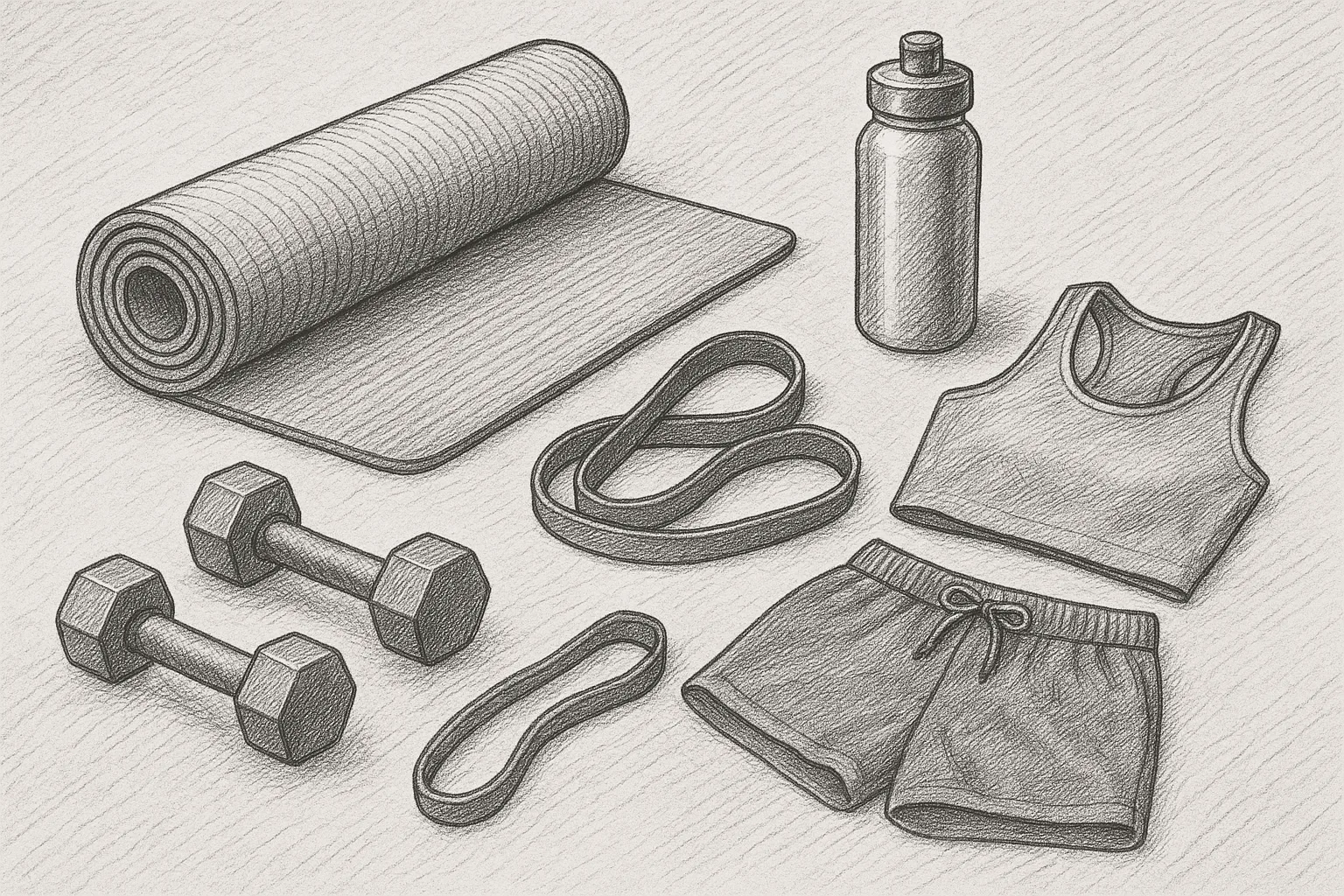
Having a designated spot for your workouts can make it easier to get started and stay consistent. It doesn’t have to be a large or special area—just somewhere you can stretch out and move comfortably. This can be a corner of your living room, bedroom, or even a balcony. Setting up your space with a mat, water bottle, and any small equipment like resistance bands or dumbbells can help signal to your brain that it’s workout time.
3. Start with Simple, Bodyweight Exercises
When you’re just beginning, focus on basic bodyweight exercises that don’t require any equipment. These include moves like squats, lunges, push-ups (against a wall or on the floor), planks, and gentle stretches. These exercises build strength, improve balance, and increase mobility without the need for machines or weights. You can gradually increase repetitions or add new exercises as you become more confident.
4. Follow Guided Workouts or Apps
If you’re unsure how to structure your workouts, many free or low-cost resources offer guided sessions for beginners. YouTube channels, fitness apps, and websites often provide short routines that focus on strength, cardio, or flexibility. Following these can help you learn correct form, stay motivated, and add variety to your routine. Just remember to choose beginner-friendly workouts and listen to your body.
5. Schedule Your Workouts Like Appointments
One of the best ways to make exercise a habit is to treat it like a non-negotiable appointment. Pick specific days and times for your home workouts and add them to your calendar. Setting reminders or alarms can help, especially in the early weeks. Over time, this routine will feel more natural and less like a chore.
6. Warm Up and Cool Down
To reduce the risk of injury and improve your overall experience, always include a warm-up before your workout and a cool-down afterwards. Warm-ups can be as simple as marching on the spot, gentle arm circles, or light stretching. Cool-downs help your muscles relax and can involve deeper stretches or slow breathing exercises. This simple habit supports recovery and keeps your body feeling good.
7. Focus on Consistency Over Intensity
It’s tempting to push yourself hard when you start exercising, but consistency matters far more than intensity for long-term success. Starting with shorter, manageable workouts and gradually increasing your effort helps prevent burnout and injury. Even when you don’t feel like doing a full session, moving your body in some way—like a 5-minute stretch or a short walk—keeps your habit alive.
8. Mix It Up to Stay Engaged
Variety can keep your home workouts interesting and challenge different muscle groups. Try combining strength exercises, cardio moves, and flexibility work throughout the week. You might do a low-impact dance workout one day, strength training the next, and yoga or stretching another day. This approach not only prevents boredom but also supports balanced fitness.
9. Listen to Your Body and Rest When Needed
Pay attention to how your body feels during and after exercise. Some muscle soreness is normal when starting something new, but sharp pain or excessive fatigue is a sign to slow down or rest. Rest days are just as important as workout days because they allow your body to recover and adapt. Remember, fitness is a journey—not a race.
Common Myths About Home Workouts
- Myth 1: You Need Special Equipment to Get Fit at Home. In reality, many effective workouts use just your body weight or simple household items.
- Myth 2: Home Workouts Aren’t as Effective as the Gym. The key to fitness is moving regularly and challenging your body, which you can absolutely do at home.
- Myth 3: You Must Exercise Every Day to See Results. Rest days are essential for recovery and progress. Aim for consistency, not daily intensity.
- Myth 4: You Need to Spend Hours Exercising. Short sessions, even 10-20 minutes, can improve your health when done regularly.
Step-by-Step Starter Plan for Your Home Workout Routine
- Week 1: Aim for 3 sessions of 15 minutes, focusing on gentle bodyweight exercises and stretching.
- Week 2-3: Increase workout time to 20 minutes and add a few new moves like lunges or planks. Try following a beginner video once a week.
- Week 4: Mix strength, cardio, and flexibility exercises across your sessions. Add variety and challenge while keeping sessions manageable.
- Ongoing: Adjust the frequency, duration, and intensity based on how you feel and what you enjoy. Remember, slow and steady progress builds lasting habits.
Conclusion
Starting a home workout routine is a positive step toward improving your health and wellbeing. By setting realistic goals, creating a dedicated space, and focusing on simple, consistent exercises, you can build a sustainable habit that fits your lifestyle. Remember to listen to your body, mix up your workouts, and be patient with yourself. Avoid common myths and approach your fitness journey with kindness and flexibility. With time, you’ll likely find that regular movement at home not only boosts your physical health but also enhances your mood and energy levels.
This article provides general educational information only and is not a substitute for professional medical advice. Always consult a qualified healthcare professional for personal guidance.