
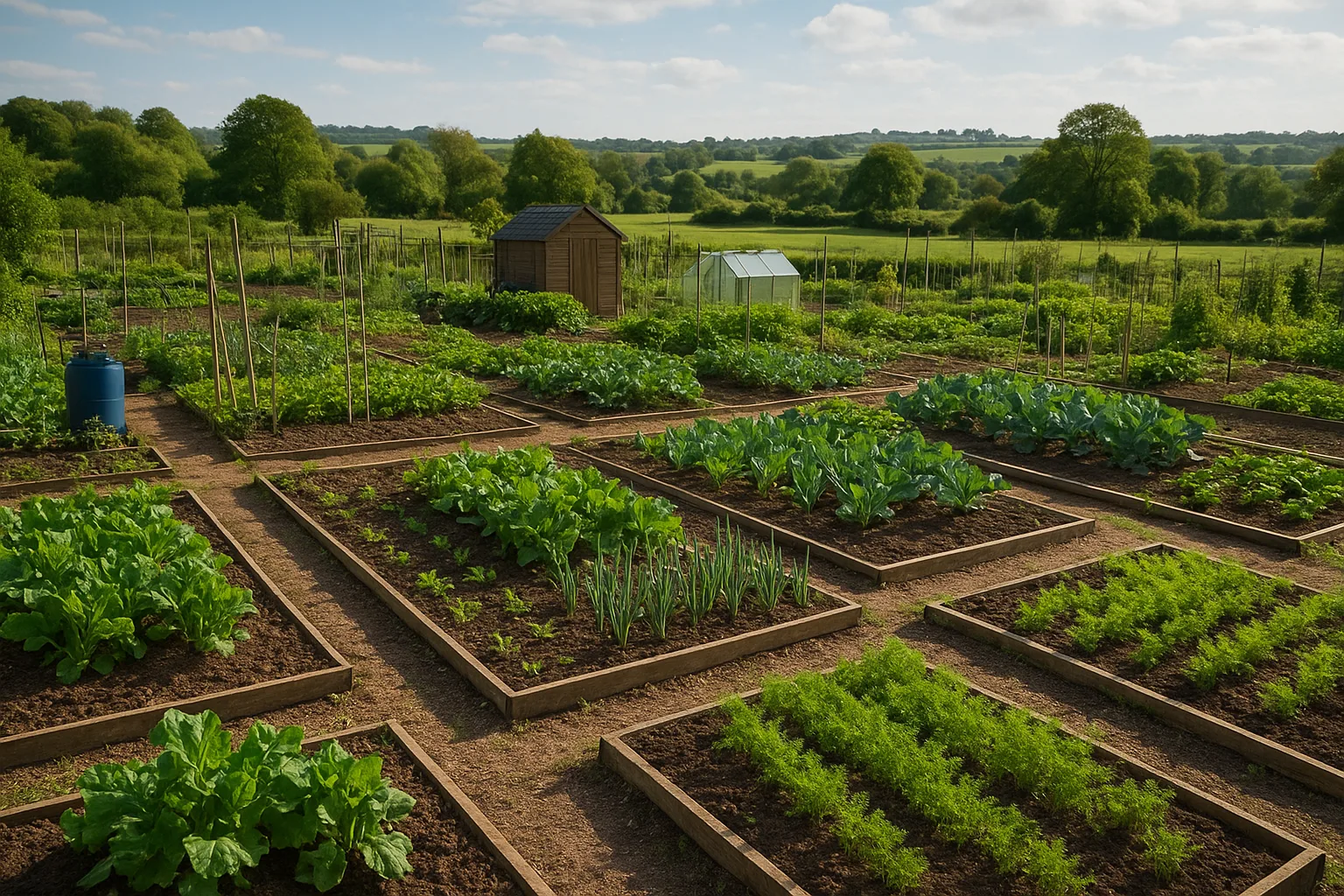
Series: The UK Allotment Year
Phase 5: Allotment Life & Community — Part 37 of 50
The culture, creativity, and joy of allotment life — covering etiquette, shared spaces, wellbeing, family gardening, and DIY projects for the off-season.
How to Get an Allotment in the UK: Waiting Lists, Plots, and Tips
Spring is the perfect time to plan for your allotment adventure. If you’ve been dreaming of growing your own fruit, vegetables, and flowers, now’s the moment to get serious about securing your plot. With growing demand across the UK, waiting lists can be long, but a bit of know-how will help you navigate the process smoothly and make the most of your allotment once you have it.
Understanding Allotment Waiting Lists
Almost every local council or allotment association runs a waiting list for plots. These lists can vary from a few months to several years depending on location and demand.
- Register early: Contact your local council or allotment society to get on the waiting list as soon as you decide you want an allotment.
- Be flexible: Smaller or less popular sites often have shorter waiting times. Consider these if you can travel a little further.
- Keep your details up to date: Councils usually contact people in order, so make sure they can reach you easily.
- Visit sites: If possible, visit allotments near you to get a feel for sites and meet plot holders who may share advice or tips.
Choosing the Right Plot
Once your name comes up, you may be offered a plot. Here’s what to consider before accepting:
- Plot size: Allotments vary from small (around 100 square metres) to larger plots. Think about how much time you can commit; bigger isn’t always better for beginners.
- Sunlight and drainage: Walk the plot at different times of day to check sunlight and look for damp or shaded areas to avoid.
- Access and facilities: Check how easy it is to reach the plot, whether there’s water on site, and if there are communal tools or sheds.
- Soil condition: Ask if the soil has been tested and whether previous tenants have had issues with pests or weeds.
Steps to Get Your Allotment
- Contact your local council or allotment society: Find their website or call the offices to ask about allotments and how to join the waiting list.
- Complete any application forms: Some councils require forms or proof of address before adding you to the list.
- Stay patient and proactive: Keep in touch yearly to check your position on the list.
- Prepare for the plot: Once offered a plot, review any tenancy agreements carefully and understand your responsibilities.
- Plan your first planting season: Order seeds, gather tools, and prepare soil as soon as you gain access.
Essential Tools and Materials for New Plot Holders
Starting out with the right basics will save you time and effort. Consider these essentials:
- Hand fork and trowel: For digging and planting.
- Spade and hoe: For breaking ground and weeding.
- Watering can or hosepipe: Access to water is crucial, especially in summer.
- Compost or well-rotted manure: To enrich your soil organically.
- Mulch materials: Straw, grass clippings, or leaf mould help retain moisture and suppress weeds.
Remember to choose organic and eco-friendly options wherever possible to maintain a healthy plot and support biodiversity.
Quick Checklist Before You Start
- ✔ Contact local council or allotment society to join waiting list
- ✔ Research and visit local sites to assess suitability
- ✔ Prepare for tenancy paperwork and plot responsibilities
- ✔ Gather basic gardening tools and organic soil improvers
- ✔ Plan your first crops considering UK seasonal planting times
Common Mistakes to Avoid
- Not joining early enough: Waiting lists can take years; don’t delay registering.
- Choosing a plot without visiting: It’s vital to see the site in person before accepting.
- Overcommitting: Starting with too large a plot or too many crops can be overwhelming.
- Ignoring soil health: Skipping composting or soil improvement leads to poor yields.
- Forgetting to check water availability: Water is essential, so confirm access before accepting a plot.
Next Steps for This Season
Now is a great time to put your name down and start planning. Contact your council or allotment association this spring and visit allotments nearby. While you wait, begin gathering tools and seeds suited to your region’s climate.
In the coming months, keep an eye on the waiting list and prepare your garden calendar. When your plot becomes available, you’ll be ready to dig in, plant, and enjoy the rewarding experience of growing your own fresh produce.
Good luck! Your allotment journey starts here.
Previous: Allotment Etiquette: 10 Unwritten Rules of the UK Plot
Next: Budget Allotment Setup: Building Raised Beds for Less than £50