
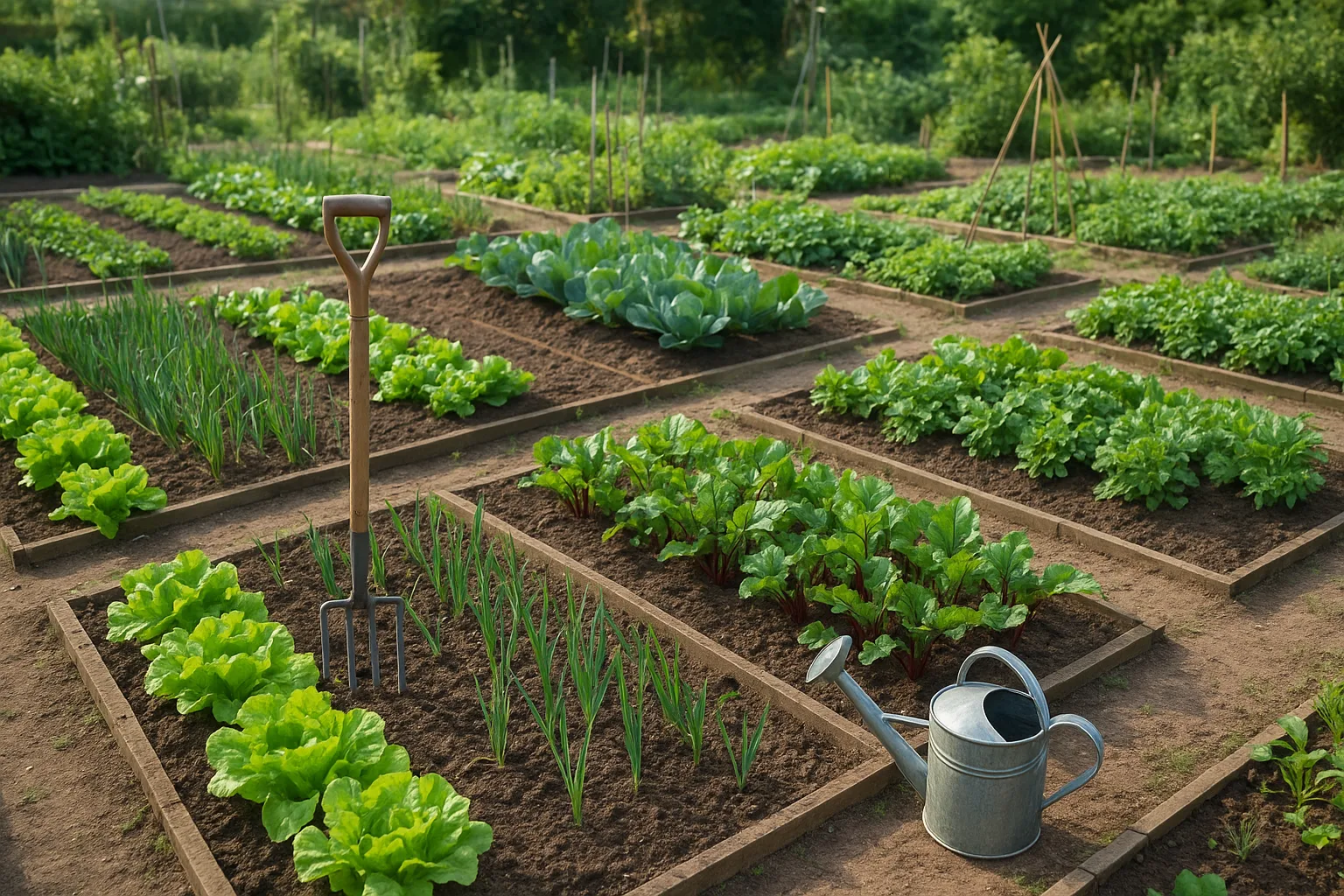
Series: The UK Allotment Year
Phase 5: Allotment Life & Community — Part 36 of 50
The culture, creativity, and joy of allotment life — covering etiquette, shared spaces, wellbeing, family gardening, and DIY projects for the off-season.
Allotment Etiquette: 10 Unwritten Rules of the UK Plot
As the growing season gathers pace in the UK, allotment sites across the country buzz with activity. Whether you’re a first-timer or a seasoned plot holder, understanding the unwritten rules of allotment etiquette can make all the difference. These guidelines help maintain a friendly atmosphere, encourage good neighbourly relations, and ensure everyone enjoys a productive and stress-free gardening experience. Now is the perfect time to refresh your approach and embrace these principles as you plan your next steps for the year.
1. Keep Your Plot Tidy and Well-Maintained
A neat plot shows respect for your neighbours and the community. Regularly clearing weeds, removing rubbish, and harvesting crops promptly prevents problems like pests and encourages a positive reputation.
- Use a garden fork and hoe to keep soil weed-free.
- Remove dead plants and clear away any litter weekly.
- Compost organic waste on-site if allowed, or take it home for your garden.
2. Respect Boundaries and Paths
Boundaries between plots and communal paths must be respected to avoid disputes and keep the site accessible for all.
- Don’t encroach on neighbours’ plots or plant over the edge.
- Keep paths clear of tools, plants, and rubbish.
- Trim back any overhanging branches or crops regularly.
3. Use Water Wisely and Considerately
Water is often a shared resource on allotments, so use it sparingly and at times that minimise disruption.
- Water early morning or late evening to reduce evaporation.
- Use watering cans or drip irrigation for targeted watering.
- Check for leaks in hoses and taps to avoid waste.
4. Share Tools and Resources Responsibly
Many allotment communities have shared tools or seed swaps. Use these respectfully and return items promptly in good condition.
- Clean tools before returning to prevent disease spread.
- Label borrowed items if needed and communicate clearly.
- Offer to help maintain communal resources when possible.
5. Avoid Using Chemicals That Could Harm Others
Most UK allotment sites encourage organic or eco-friendly growing methods to protect soil health and neighbouring plots.
- Opt for organic compost, mulch, and natural pest deterrents.
- Use companion planting to reduce pests without chemicals.
- Consult your site rules before using any sprays or treatments.
6. Control Pests and Diseases Early
Timely action helps prevent outbreaks that could affect nearby plots.
- Inspect crops weekly for signs of pests or disease.
- Remove affected leaves or plants promptly and dispose of them responsibly.
- Encourage wildlife like ladybirds and frogs that eat pests.
7. Be Considerate with Noise and Site Etiquette
Remember that allotment sites are shared spaces—keep noise levels down and respect others’ privacy.
- Use machinery like rotavators or strimmers during agreed hours.
- Keep conversations and radios at a low volume.
- Respect site rules about opening and closing times.
8. Dispose of Waste Properly
Improper waste disposal can cause pest problems and upset neighbours.
- Use designated compost or green waste bins if available.
- Avoid burning rubbish on-site unless explicitly allowed.
- Take non-compostable waste home for recycling or disposal.
9. Communicate Openly with Neighbours and Site Committee
Good communication helps solve issues quickly and builds a friendly community.
- Introduce yourself to neighbouring plot holders early on.
- Attend site meetings and contribute positively.
- Report issues like vandalism or water leaks promptly.
10. Share Surplus Produce and Knowledge
One of the joys of allotment life is community spirit. Sharing extra crops or gardening tips strengthens bonds and spreads enthusiasm.
- Offer surplus vegetables or seeds to neighbours.
- Exchange advice on crop varieties or pest control.
- Consider joining or starting a local gardening group or seed swap.
Quick Checklist for This Month
- Keep your plot weeded and tidy to prevent pests.
- Check and repair boundary fences or paths.
- Inspect irrigation systems and fix leaks.
- Share tools and compost responsibly.
- Monitor crops closely for early signs of disease.
- Attend any upcoming site meetings or social events.
Common Mistakes to Avoid
- Letting weeds or rubbish build up, causing site-wide issues.
- Watering at the wrong times, wasting water and encouraging disease.
- Ignoring site rules about chemicals or waste disposal.
- Using noisy machinery outside permitted hours.
- Failing to communicate with neighbours, leading to misunderstandings.
Recommended Tools and Materials
- Basic hand tools: fork, hoe, trowel, secateurs.
- Watering cans or hose with trigger nozzle.
- Compost bins or bags for organic waste.
- Organic fertilisers and natural pest deterrents like neem oil or garlic spray.
- Protective gloves and sunhat for comfort and safety.
Next Actions for This Phase
As we move deeper into the growing season, now is the time to focus on consistent plot maintenance and community engagement. Plan your sowing and planting schedules to avoid overcrowding and ensure timely harvests. Attend site meetings to stay informed and contribute to decisions affecting your allotment. Most importantly, enjoy the camaraderie and satisfaction that allotment life brings by practising good etiquette and nurturing your plot responsibly.
With these unwritten rules in mind, you’ll not only grow healthy crops but also build a thriving, supportive allotment community that benefits everyone.
Previous: Building a Simple Outdoor Produce Drying Rack
Next: How to Get an Allotment in the UK: Waiting Lists, Plots, and Tips