
Series: The UK Allotment Year
Phase 5: Allotment Life & Community — Part 38 of 50
The culture, creativity, and joy of allotment life — covering etiquette, shared spaces, wellbeing, family gardening, and DIY projects for the off-season.
Budget Allotment Setup: Building Raised Beds for Less than £50
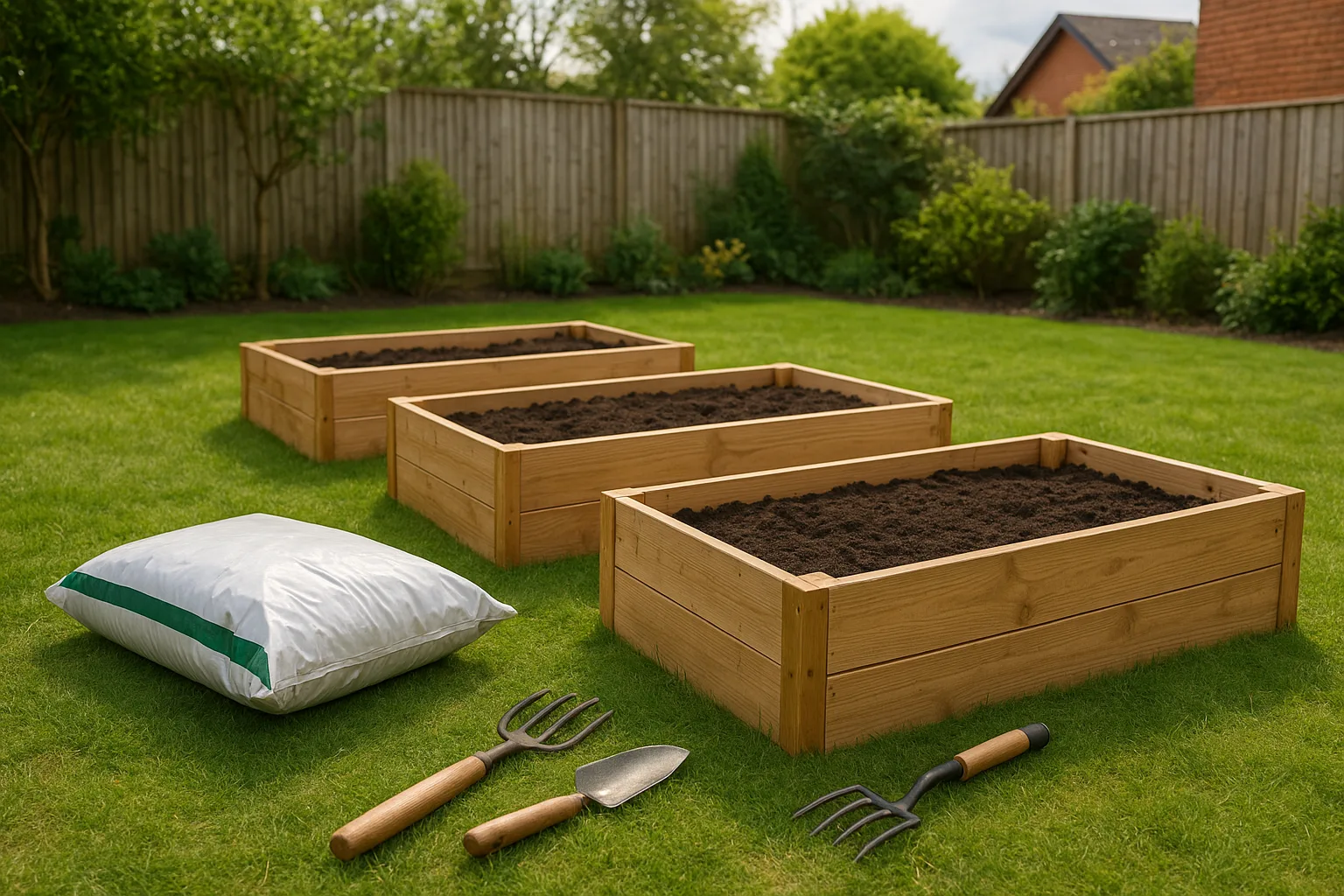
Spring is the perfect time to rethink your allotment layout and give your crops a great start. Raised beds are a fantastic way to improve soil conditions, drainage, and accessibility, but many gardeners worry about the cost. Good news: you can build effective raised beds on a tight budget, spending less than £50, using simple, eco-friendly materials. This guide will help you set up raised beds just in time for planting, so you can enjoy a productive growing season without overspending.
Why Raised Beds?
- Improved soil structure: You control the soil mix and avoid compaction.
- Better drainage: Ideal for the UK’s often wet climate.
- Easier to manage: Less bending, easier weeding, and clearer plant organisation.
- Warmer soil: Raised profile warms faster in spring, extending the growing season.
Gathering Materials: Keep it Simple and Sustainable
To keep costs low, focus on basic, readily available materials. Here’s a list of what you’ll need along with eco-friendly tips:
- Timber: Look for untreated, locally sourced softwood such as spruce or pine. Avoid treated wood to keep your beds organic. Pallets are a good free source but check for chemical treatments and safety.
- Fixings: Use galvanised screws or nails to prevent rusting. Reuse screws from old projects if possible.
- Weed membrane or cardboard: To suppress weeds under your beds, use thick cardboard or a biodegradable weed membrane.
- Soil and compost: Top up with good-quality compost. Consider homemade compost or leaf mould to reduce costs.
Tools You’ll Need
- Hand saw or power saw
- Drill with screwdriver bit or hammer
- Measuring tape and pencil
- Gloves
- Spade or garden fork
Step-by-Step: Building Your Raised Beds
Follow these steps to build sturdy raised beds that fit your allotment space and budget.
- Plan your bed size and location: A common size is 1.2m wide (easy to reach across) by 2.4m long. Choose a sunny, level spot with good drainage.
- Prepare the ground: Clear weeds and grass. Lay down cardboard or weed membrane to suppress regrowth. Overlap edges to prevent gaps.
- Cut your timber: For 1.2m x 2.4m beds, cut four lengths for the sides. You’ll need two pieces at 2.4m and two at 1.2m.
- Assemble the frame: Screw or nail the corners together to form a rectangle. Countersink screws to avoid splinters.
- Place the frame on the prepared ground: Press down firmly to settle it.
- Fill with soil and compost: Use a mix of your allotment soil and plenty of organic compost or leaf mould. This improves fertility and structure.
- Water the bed well: Moist soil settles and helps plants establish.
Quick Checklist for Raised Bed Setup
- Choose untreated, sustainable timber
- Clear and prepare ground with cardboard or membrane
- Measure and cut timber accurately
- Use galvanised fixings for durability
- Fill with a good soil and compost mix
- Water thoroughly after filling
Common Mistakes to Avoid
- Using treated wood: These can leach chemicals into your soil. Stick to untreated timber.
- Incorrect measurements: Double-check cuts before assembly to avoid wasted materials.
- Skipping ground preparation: Not suppressing weeds under the bed leads to persistent weed problems.
- Overfilling beds: Leave a few centimetres from the top to prevent soil spilling out when watering.
- Ignoring drainage: Make sure site is level and drains well; raised beds won’t help if water pools underneath.
Timing Your Build
The best time for building raised beds is early spring, ideally March or April, before you start planting. This timing lets the soil warm up and settle in the new bed before sowing seeds or planting seedlings from late April onwards. If you’re starting later, build as soon as you can and fill with quality compost to speed up soil warming.
Next Steps for This Month
- Gather materials and check your tools.
- Choose your raised bed location and clear the ground.
- Build and fill your beds to prepare for sowing.
- Plan what crops you want to grow—salads, herbs, and early potatoes do well in raised beds.
- Start sowing hardy seeds indoors or in a cold frame to transplant later.
Building raised beds on a budget is achievable and rewarding. With simple materials and a little effort, you’ll create a neat, manageable space that boosts your allotment’s productivity and enjoyment all season long.
Previous: How to Get an Allotment in the UK: Waiting Lists, Plots, and Tips
Next: The Joy of the First Harvest: Why Allotment Growing Is Addictive