
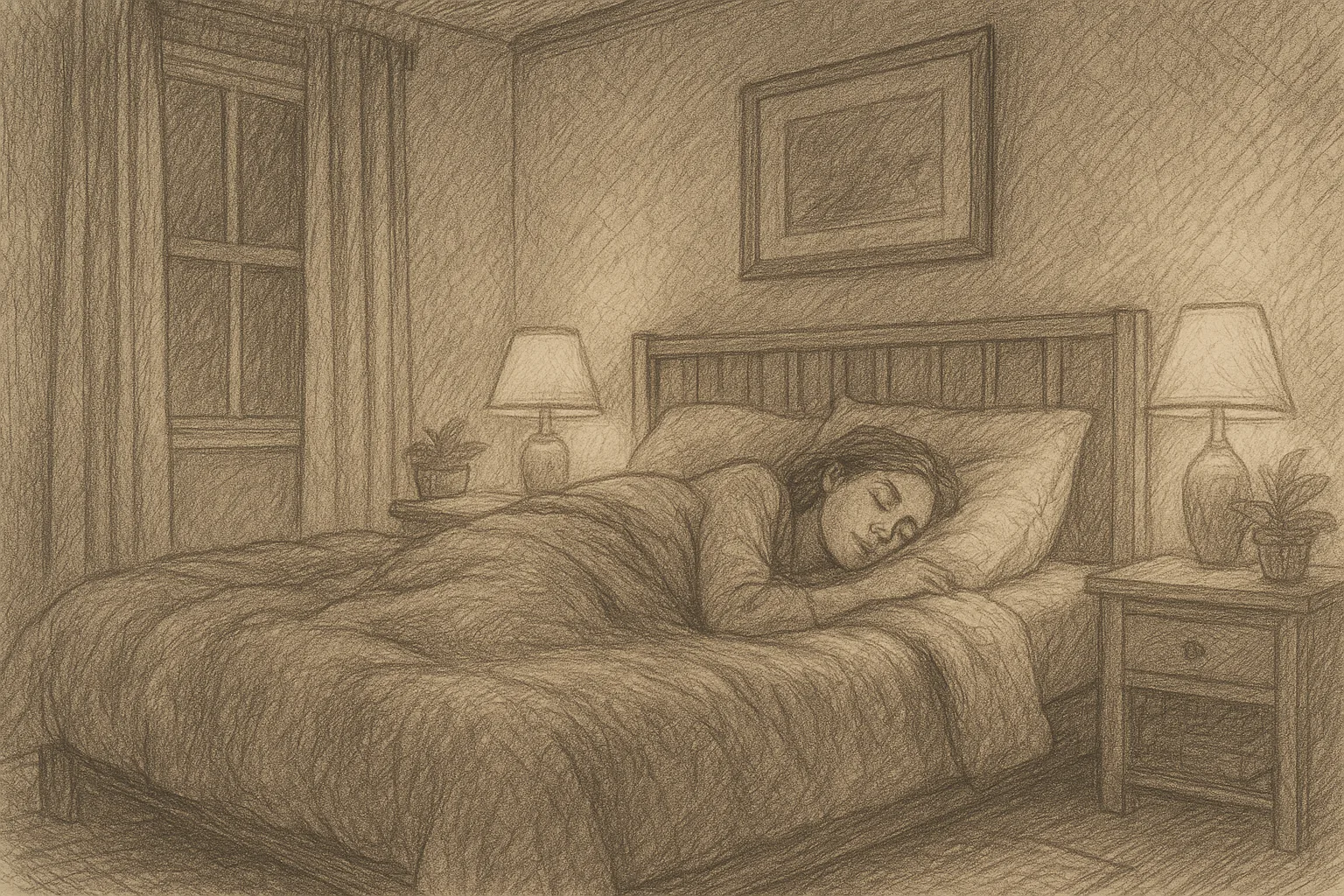
Sleep is often the unsung hero of an active lifestyle. Whether you enjoy jogging, yoga, cycling, or simply staying on your feet throughout the day, good quality sleep plays a vital role in helping your body recover, boost energy, and maintain overall wellbeing. Yet, many people underestimate just how much sleep impacts their fitness and daily performance. In this article, we’ll explore why sleep matters for an active life, bust common myths, and share practical, sustainable habits to improve your nightly rest.
Why Sleep Matters for an Active Lifestyle
When you’re active, your body undergoes physical stress and strain. Sleep is the time when your body repairs muscles, balances hormones, and consolidates memories, including motor skills. Without enough restful sleep, you might find your energy levels drop, your reaction times slow, and your motivation dip.
Research shows that adults who get between 7 and 9 hours of quality sleep tend to have better physical performance, enhanced mood, and quicker recovery from exercise. Sleep helps regulate appetite too, reducing cravings that can sabotage healthy eating habits.
Step-by-Step Tips for Better Sleep to Support Your Activity
1. Create a Consistent Sleep Schedule
- Try to go to bed and wake up at the same time every day, even on weekends.
- This consistency helps regulate your body clock, making it easier to fall asleep and wake feeling refreshed.
2. Design a Relaxing Pre-Sleep Routine
- Spend 30 to 60 minutes winding down before bed with calming activities like reading, gentle stretches, or listening to soft music.
- Avoid screens during this time as the blue light can interfere with your body’s production of melatonin, the sleep hormone.
3. Create a Sleep-Friendly Environment
- Keep your bedroom cool, quiet, and dark—these conditions promote deeper sleep.
- Invest in a comfortable mattress and pillows suited to your sleeping position.
4. Time Your Physical Activity Wisely
- Exercise regularly, but try to avoid vigorous workouts close to bedtime, as these can make it harder to fall asleep.
- Morning or afternoon sessions tend to support better sleep.
5. Mind Your Diet and Caffeine Intake
- Limit caffeine and heavy meals at least 3-4 hours before bedtime.
- Avoid alcohol close to bedtime, as it can disrupt sleep cycles.
6. Manage Stress Throughout the Day
- Incorporate relaxation techniques such as deep breathing, meditation, or journaling to help reduce stress levels.
- Lower stress supports easier sleep onset and better quality rest.
Common Myths About Sleep and Activity
Myth 1: “I can catch up on sleep at the weekend.”
While sleeping in occasionally can help reduce sleep debt, regularly disrupting your sleep schedule can confuse your body clock and reduce sleep quality. Aim for consistent sleep every day.
Myth 2: “If I don’t feel tired, I don’t need much sleep.”
Feeling awake doesn’t always mean your body is fully rested. Sleep needs vary, but most adults perform best with 7–9 hours of sleep each night.
Myth 3: “Exercise late at night ruins your sleep.”
While intense exercise just before bed might interfere with sleep for some people, others find it helps them relax. Listen to your body and adjust your routine accordingly.
Myth 4: “Alcohol helps me sleep better.”
Alcohol might help you fall asleep faster, but it disrupts the later stages of sleep, leading to poorer rest overall.
Incorporating Sleep Into Your Active Lifestyle
Think of sleep as part of your fitness routine—not an optional extra. Prioritising quality sleep enhances your workouts, supports muscle recovery, and improves your mood and focus. Start small by adjusting one habit at a time, such as dimming lights an hour before bed or setting a regular wake-up time. Over time, these small changes can lead to lasting improvements.
“Sleep is that golden chain that ties health and our bodies together.”
Thomas Dekker
Conclusion
Sleep is a powerful tool for anyone living an active lifestyle. By understanding its role and adopting sustainable habits, you can enhance your performance, recovery, and overall wellbeing. Remember, improving sleep is a journey—be patient and kind to yourself as you develop routines that fit your life. Prioritising rest is not just about feeling less tired; it’s about supporting your body and mind to thrive every day.
This article provides general educational information only and is not a substitute for professional medical advice. Always consult a qualified healthcare professional for personal guidance.