
Series: Finance for Kids
Phase 1: Money Basics & Mindset — Part 17 of 166
As children grow, they often ask their parents to buy them toys, games, or snacks. Sometimes, the answer is a simple “no.” But why do parents say no? Understanding these reasons can help kids learn valuable lessons about money and responsibility.
Why Parents Say No
Parents might say no for a variety of reasons, and it’s important for children to understand them. Here are some common reasons:
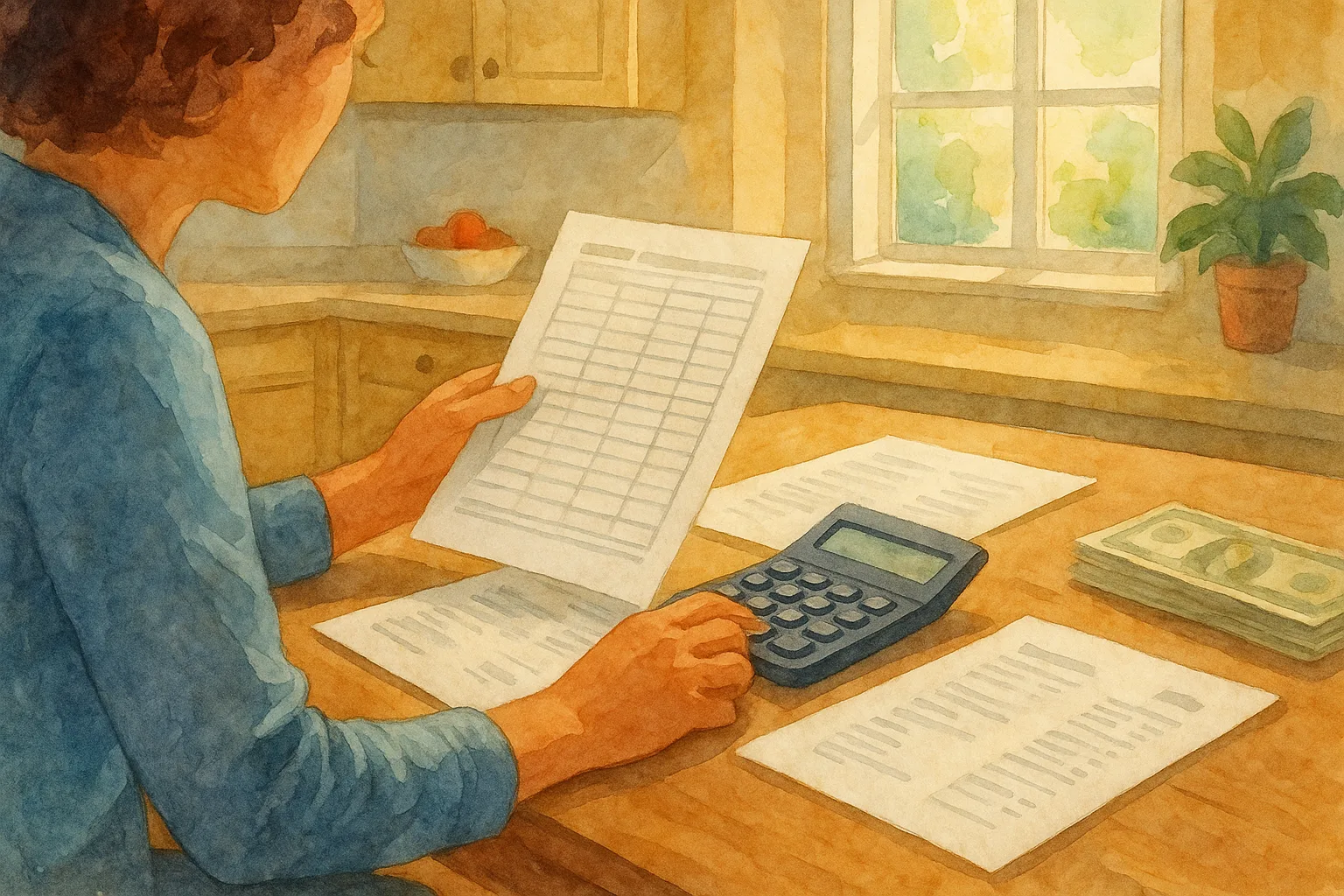
- Budgeting: Parents have a budget to manage household expenses. They know how much money comes in and goes out, so they often have to say no to keep spending in check.
- Needs vs. Wants: Parents often try to teach their children the difference between needs (like food and clothes) and wants (like toys and sweets). Saying no can help kids understand that not everything they want is something they need.
- Setting Limits: Parents want to set limits on spending to encourage children to appreciate what they have. Too many purchases can lead to clutter and a lack of appreciation for items.
- Teaching Delayed Gratification: Sometimes, parents want their children to wait for something they want, teaching them patience and the value of saving up for bigger purchases.
How to Communicate About Money
It’s essential for parents to talk to their children about money openly. Here are some tips on how to do this:
- Explain the Reasons: When saying no, parents can explain their reasons. For example, they might say, “I can’t buy that right now because we need to save for our family holiday.”
- Encourage Questions: Allow children to ask questions about money and spending. This helps them understand financial concepts better.
- Involve Them in Budgeting: Show children how budgeting works by involving them in planning for family purchases. This can be a fun way to teach them about managing money.
- Set Savings Goals: Help children set savings goals for items they want. This teaches them to save over time and appreciate their purchases more.
Fun Ways to Learn About Money
Learning about money doesn’t have to be boring! Here are some fun activities parents can do with their children:
- Play Money Games: Board games like Monopoly or online games that focus on money management can be great fun and educational.
- Use Play Money: Set up a pretend shop at home where children can buy and sell items using play money. This helps them understand transactions.
- Visit a Bank: Take children to a bank to learn about how money works. They can see where money is kept and learn about saving.
Common Myths About Money and Purchases
There are many myths about money that children might hear. Here are a few common ones:
- Myth 1: Money grows on trees. Reality: Money is earned through work, and it’s important to manage it wisely.
- Myth 2: You can buy happiness. Reality: While things can bring joy, true happiness comes from experiences and relationships, not just material items.
- Myth 3: Saving is boring. Reality: Saving can be exciting! It can lead to buying something special or having fun experiences.
Conclusion
When parents say no to purchases, it’s usually for a good reason. They are teaching children valuable lessons about budgeting, saving, and understanding the difference between needs and wants. By communicating openly and involving children in money decisions, parents can help them grow into responsible future spenders.
This article provides general educational information only and is not financial advice. Always seek guidance from a qualified professional for personal financial decisions.
Previous: How to Explain the Concept of “Money Doesn’t Grow on Trees”
Next: Teaching Kids Gratitude for What They Have