
Series: History of Solan, Himachal Pradesh, India
Phase 5: Modern Era — Part 28 of 30
This article appears within a continuing historical series that follows the western Himalayas into the modern era. With the end of princely rule and the integration into independent India, long-standing social and political patterns were reconfigured. This phase examines how development, state formation, and memory interact with inherited landscapes, shaping contemporary life while carrying forward echoes of the past.
The Evening of the Fair: A Living Tapestry
It is dusk in Solan, and the air thrums with the rhythms of the Solan Fair. The collision of drums and laughter spills from the grounds near the ancient Shoolini Devi Temple, where vendors weave through the crowd with trays of steaming momos and tangy chaat. On a stage draped in marigolds, dancers in swirling Himachali caps and embroidered shawls move to melodies that have echoed here for generations. Modern LED lights flicker overhead, but the heart of the celebration is centuries old. In this moment, the past and present dance together—emblematic of Solan’s ongoing struggle to keep its cultural soul alive as its streets grow ever busier.
From Quiet Hamlet to the ‘Mushroom City’
Solan’s journey from a modest colonial outpost to a pulsing urban center is a story marked by ambition, migration, and resilience. In the mid-1800s, the British established Solan as a cantonment, attracted by its temperate climate and strategic location on the Kalka-Shimla route. Old photographs show a sleepy landscape: pine forests, scattered houses, the imposing Christ Church, and the stately bungalows of British officers. The market was little more than a cluster of wooden shops, their signs in Gurmukhi and Urdu, serving a community of diverse artisans and traders.
As independence swept through India in 1947, Solan’s identity began to shift. Migrants arrived from Punjab, Rajasthan, and beyond, each bringing their own customs and dialects. The opening of the Mohan Meakin brewery—Asia’s oldest—further transformed the town’s fortunes, drawing workers and entrepreneurs and earning Solan its later nickname: “The City of Red Gold,” for its abundant tomato crops, and eventually, “Mushroom City of India.” But economic growth, while vital, brought questions that still echo: What would become of Solan’s old ways, its language, its festivals?
Guardians of Memory: Elders and Oral Tradition
In the narrow lanes behind the Solan bazaar, elders still gather over steaming chai to recount stories of times before the railway. Among them, figures like Pandit Shyam Lal Sharma—a local historian and teacher—became unofficial keepers of the town’s collective memory. He could recall the days when the Shoolini Devi Temple was little more than a stone shrine surrounded by wildflowers, and when fairs were organized not by municipal decree, but by families pooling resources and labor.
These oral traditions played a crucial role in preserving language and customs amid the influx of outsiders. Family gatherings, folk songs (locally called jagarna), and tales of deities such as Shoolini Mata and Bhuri Singh of Chamba kept alive a sense of place and belonging. The challenge, always, was to adapt without erasing the past—a tension that would intensify as the twentieth century wore on.
New Roads and New Realities
The opening of the Kalka-Shimla railway in 1903 was a watershed moment. Suddenly, Solan was not isolated but connected—its streets teeming with traders, officials, and tourists. The post-independence decades saw concrete replace stone, and old bungalows give way to government offices and educational institutions. The Dr. Yashwant Singh Parmar University of Horticulture and Forestry, founded in 1985 and named for Himachal Pradesh’s first chief minister, became a beacon of modernity and hope for local youth.
Yet, as traffic clogged the Mall Road and new neighborhoods sprawled into former farmland, anxiety simmered beneath the optimism. The arrival of cable television in the 1990s, and later the internet, exposed Solan’s youth to new languages, dress, and music. Some embraced the change, but others fretted: Would the old dances, the pahari dialects, and sacred rituals survive globalization?
Festivals as Anchors: The Shoolini Mela and Beyond
If there is a single thread binding Solan’s evolving identity, it is its festivals. The Shoolini Mela, held each June in honor of the town’s patron goddess, is more than a religious event—it is a living, breathing archive of Solan’s soul. From the parade of adorned palanquins to the performances of naati dancers and the sharing of traditional foods, the mela is both a celebration and a declaration: “We are still here.”
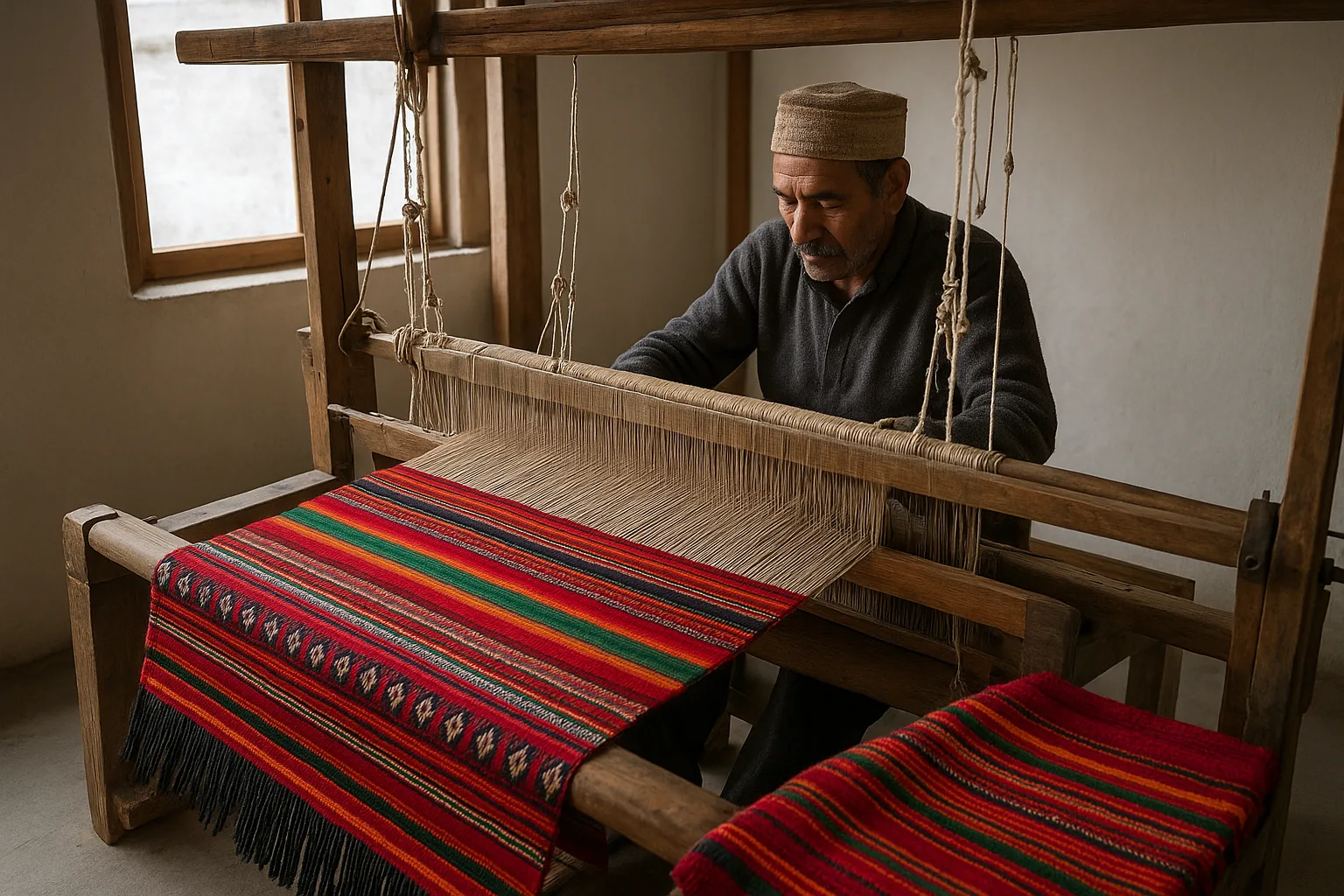
Other events, like the Baisakhi fair and Diwali processions, have also grown in scale and spectacle, integrating influences from neighboring regions. Yet they continue to serve as vital forums for teaching young Solanis about their roots, often through initiatives led by local women’s groups and schoolteachers. The modern era has seen the rise of cultural preservation societies, whose members painstakingly document oral histories, restore ancient shrines, and teach traditional crafts—stitching together a community that refuses to let its culture fade into the background noise of progress.
Urbanization and the Struggle to Remember
By the early 2000s, Solan’s population had swelled. New housing colonies, shopping complexes, and four-lane highways transformed its skyline. The influx of professionals from across India turned Solan into a cosmopolitan hub, but the pressures of urbanization threatened to erode its unique character. Old wooden houses and temples, once overlooked but now recognized as heritage sites, faced demolition to make way for the future.
Efforts to resist this erasure were often led by passionate citizens. Figures like Dr. Ramesh Chauhan, an educator and activist, campaigned tirelessly for the preservation of Solan’s historic buildings and sacred groves. His group, the Solan Heritage Trust, collaborated with municipal authorities to create inventories of endangered sites and advocate for adaptive reuse rather than destruction. Their work was bolstered by state-level initiatives to promote Himachali culture in schools, ensuring that local history and crafts were not lost amid the march of modernity.
Youth, Identity, and the Digital Age
Today’s Solan is a study in contrasts. Young people study coding in internet cafés, but many still visit the temple on festival days and perform naati at family weddings. Social media pages celebrate local heroes—like the revered freedom fighter Major Durga Mall, who grew up in the hills above town—and document the changing face of the bazaar. The annual inter-college folk dance competitions and poetry slams, held at the Solan Community Hall, attract crowds eager to see old forms reimagined for a new era.
Some young Solanis have become unlikely cultural ambassadors, sharing videos of traditional music on Instagram or organizing virtual tours of the region’s heritage sites. Others, inspired by the stories of their grandparents, have returned from the cities to start small businesses rooted in local traditions: eco-tourism lodges, organic farms, or handicraft cooperatives. In these acts, the boundaries between past and present blur, and cultural preservation becomes not a burden, but a source of pride and innovation.
Legacies and Living Heritage
Solan’s journey is far from over. The town’s landscape continues to evolve, and the pressures of development are unlikely to abate. Yet, through each transformation, the people of Solan have demonstrated a remarkable ability to adapt without forgetting who they are. The story of Solan is not just one of buildings and roads, but of songs, rituals, and the quiet determination of its citizens to honor their heritage—whether by restoring a faded shrine, teaching a child the steps of naati, or gathering at dusk to celebrate the goddess who has watched over them for centuries.
As the evening fair winds down and the lights flicker against the hills, Solan stands as a living testament to the power of memory. Its story is a reminder that cultural identity is not simply preserved—it is lived, negotiated, and renewed, even as the world outside rushes forward. The lessons of Solan’s past continue to shape its present, offering hope that amid rapid change, the roots of tradition can still run deep.
Previous: Environmental Challenges Facing Solan District
Next: Oral Histories and Memories of Solan’s Elders