
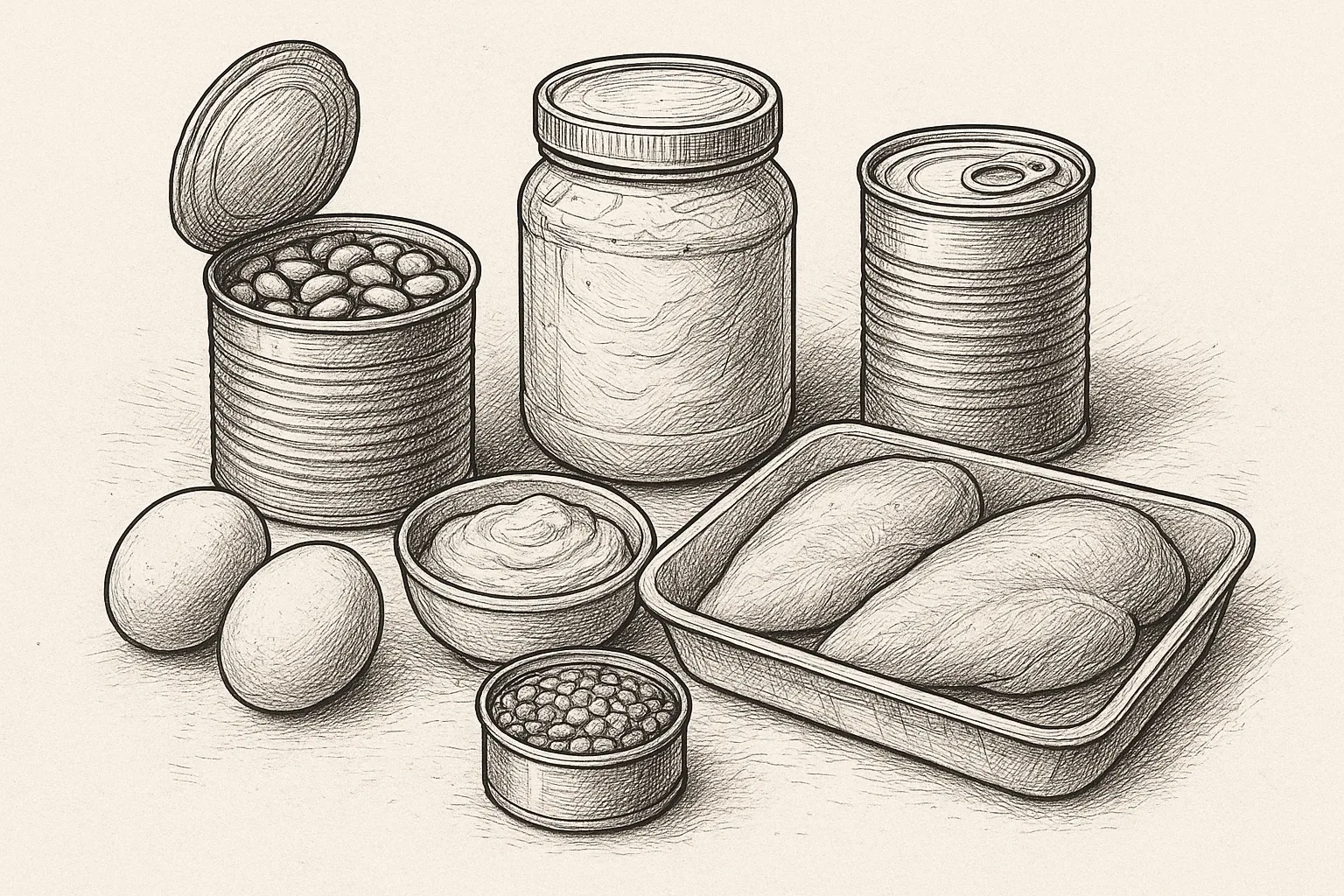
Protein on a Budget: Affordable High-Protein Foods for Everyday Eating
Protein is an essential part of a balanced diet, supporting muscle health, energy levels, and overall wellbeing. However, many people believe that eating enough protein means buying expensive cuts of meat or costly supplements. The good news is, you can enjoy plenty of protein without stretching your wallet. This article explores affordable high-protein foods and practical tips to help you meet your protein needs sustainably and enjoyably.
Why Protein Matters
Protein helps build and repair tissues, supports immune function, and plays a key role in producing enzymes and hormones. Whether you’re active, trying to lose weight, or simply want to maintain good health, getting enough protein is important. The recommended daily intake varies, but a general guideline is about 0.75 grams of protein per kilogram of body weight for most adults.
Affordable High-Protein Foods to Include
Choosing budget-friendly protein sources doesn’t mean compromising on quality. Here are some affordable, nutritious options:
- Eggs: Packed with high-quality protein and essential nutrients, eggs are versatile and usually inexpensive. They can be boiled, scrambled, or added to salads and stir-fries.
- Beans and Lentils: These plant-based proteins are not only affordable but also rich in fibre, vitamins, and minerals. Dried or canned varieties are both economical options.
- Canned Fish (Tuna, Sardines, Mackerel): These are convenient sources of protein and healthy fats like omega-3, often costing less than fresh fish.
- Chicken Thighs or Drumsticks: Generally cheaper than breast meat, these cuts provide good protein and flavour when cooked well.
- Greek Yogurt and Cottage Cheese: These dairy options offer protein and calcium, perfect for snacks or breakfast.
- Peanut Butter and Other Nut Butters: While slightly higher in fat, nut butters provide protein and healthy fats. Use in moderation to keep costs and calories balanced.
- Tofu and Tempeh: These soy-based proteins are often economical in supermarkets and perfect for plant-based meals.
- Oats and Whole Grains: Though not extremely high in protein alone, combined with other sources, they contribute to your daily intake affordably.
Step-by-Step Tips for Budget-Friendly Protein Eating
- Plan Your Meals: Creating a weekly meal plan helps you buy only what you need and avoid waste. Include protein-rich meals that use affordable ingredients like beans or eggs.
- Buy in Bulk: Purchase dried beans, lentils, oats, and frozen chicken in larger quantities to save money over time.
- Embrace Plant-Based Proteins: Incorporate more beans, lentils, and tofu, which are often cheaper than meat and have a long shelf life.
- Cook at Home: Preparing meals yourself reduces costs compared to ready-made or takeaway options, letting you control ingredients and portions.
- Use Leftovers Creatively: Turn leftover chicken or beans into soups, stews, or salads to stretch your protein sources further.
- Compare Prices: Check unit prices to find the best deals on protein-rich foods, and consider supermarket own-brand products.
- Freeze Portions: Freeze extra portions of cooked protein foods like chicken or fish to avoid spoilage and save time later.
Myths About Protein and Budget Eating
- Myth: You Need Expensive Meat or Protein Powders to Get Enough Protein. Affordable foods like eggs, beans, and canned fish can easily meet your needs.
- Myth: Plant Proteins Are Incomplete and Less Effective. Eating varied plant proteins throughout the day provides all essential amino acids.
- Myth: More Protein Always Means Better Health. Balance is key; excessive protein isn’t necessary and can be costly.
- Myth: Protein is Only Important for Athletes. Everyone benefits from adequate protein to maintain muscle and support overall health.
Sample Affordable High-Protein Meals
- Breakfast: Porridge made with oats and topped with peanut butter and sliced banana.
- Lunch: Lentil and vegetable soup with wholemeal bread.
- Dinner: Baked chicken thighs with roasted vegetables and a side of brown rice.
- Snack: Greek yogurt with a drizzle of honey and a handful of nuts.
Building Sustainable Habits
Eating protein on a budget doesn’t have to be complicated. Start small by introducing one or two affordable protein foods into your routine and gradually build from there. Focus on variety to keep meals interesting and nutritious. Over time, you’ll find it easier to maintain a balanced diet that supports your health and wallet.
Conclusion
Eating enough protein is achievable on any budget by choosing affordable foods like eggs, beans, canned fish, and chicken thighs. Planning meals, buying in bulk, and cooking at home are simple strategies to save money and reduce waste. Remember, balanced eating and variety matter most for long-term wellbeing. With a little creativity and planning, you can nourish your body with protein-rich foods that suit your lifestyle and finances.
This article provides general educational information only and is not a substitute for professional medical advice. Always consult a qualified healthcare professional for personal guidance.