
Series: Learning Finance Basics
Phase 2: Personal Finance Essentials — Part 7 of 16
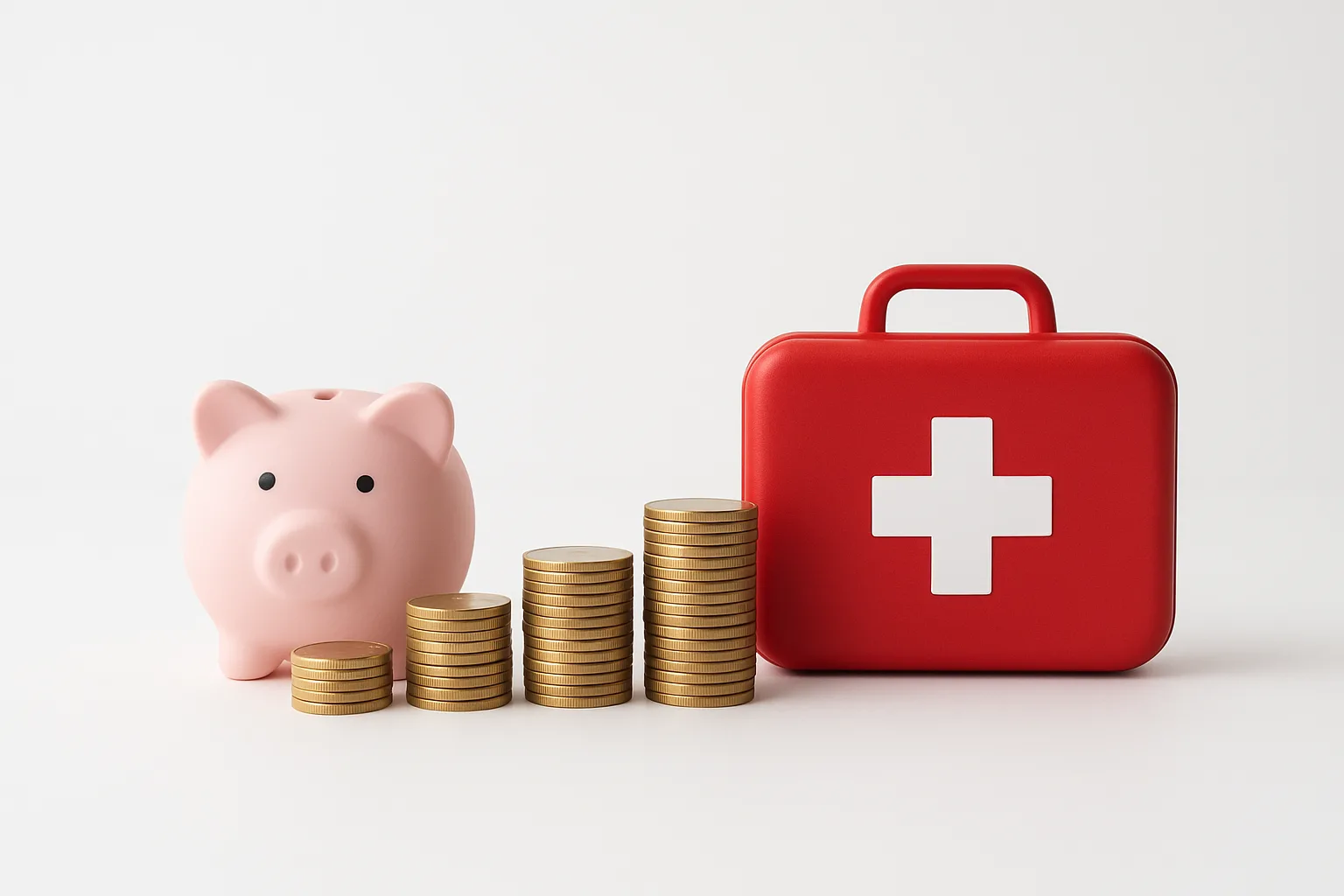
Saving and Emergency Funds: Building Your Safety Net
In our last post, we looked at the basics of budgeting and how understanding where your money goes each month can put you in control. Now, let’s take the next step: building your financial safety net with savings and an emergency fund. Think of it as the sturdy umbrella you wish you had before the rain starts—no one can predict when life’s surprises will hit, but having some money set aside can make all the difference.
What you’ll learn
- What an emergency fund is and why it matters
- How to set a realistic savings goal
- Simple examples of building an emergency fund
- Common mistakes people make with savings
- Action steps to start your own safety net today
What Is an Emergency Fund?
An emergency fund is money you set aside for unexpected expenses, like car repairs, losing your job, or an urgent home repair. It’s not for planned spending, like holidays or new gadgets. The goal is to give you peace of mind, knowing you can handle life’s surprises without relying on credit cards or loans.
How Much Should You Save?
There’s no one-size-fits-all answer, but a common guideline is to aim for savings that could cover 3–6 months of essential living expenses. This means the basics: rent or mortgage, food, utilities, transport, and any must-pay bills. If that sounds overwhelming, start smaller—any amount is better than nothing, and you can build up over time.
Example 1: Starting Small
Let’s say you work part-time and can save £20 per week. That adds up to £80 per month. In six months, you’d have £480 set aside. While this might not cover months of expenses, it could easily handle a car breakdown or an unexpected bill. The key is to start, even if it’s a small amount.
Example 2: Building Towards a Goal
Suppose your essential monthly costs add up to £1,000. To cover three months, you’d aim for a £3,000 emergency fund. If you can save £100 per month, it would take 2.5 years to reach that goal. That may sound like a long time, but remember: every pound saved is a pound less you’ll have to borrow if something goes wrong.
Where Should You Keep Your Emergency Fund?
Keep your emergency fund in an account that’s easy to access, but not so convenient that you’re tempted to dip into it for everyday spending. Many people use an instant-access savings account. Avoid tying up your fund in investments or accounts that penalise you for withdrawals, as emergencies don’t wait for notice periods.
Common Mistakes
- Confusing savings and investments: Your emergency fund is not meant to grow quickly or earn high returns—it’s about safety and access, not profit.
- Setting goals that are too ambitious: Trying to save too much, too fast, can backfire. Start with a manageable amount and build from there.
- Using the fund for non-emergencies: Dipping into your emergency fund for holidays or shopping defeats its purpose.
- Ignoring small savings opportunities: Even small amounts add up over time. Don’t wait for a big windfall to start saving.
- Not reviewing your fund regularly: As your life changes, your emergency fund goal might need to change too.
Action Steps
- ☐ Work out your essential monthly expenses.
- ☐ Set a realistic first savings goal (e.g., £100, £500, or one month’s expenses).
- ☐ Open a separate savings account if you don’t already have one.
- ☐ Set up a regular transfer (even a small amount) from your main account to your emergency fund.
- ☐ Review your progress every few months and adjust as needed.
- ☐ Commit to only using the fund for true emergencies.
Recap
Building savings and an emergency fund is one of the most important steps in personal finance. It gives you a cushion against life’s surprises and helps you avoid debt. Start small, keep your fund accessible but separate, and make saving a habit—your future self will thank you.
Disclaimer
This post is for educational purposes only and does not provide personal financial advice. Everyone’s situation is different—consider your own needs and, if needed, seek guidance from a qualified professional.
Glossary
- Emergency Fund: Money set aside for unexpected expenses, not everyday spending or planned purchases.
- Savings Account: A bank account designed for holding money you don’t need to use right away, usually with easy access.
- Essential Expenses: Costs you must pay each month, like rent, food, and utilities.
- Regular Transfer: An automatic movement of money from one account to another, set up to happen on a schedule.
Previous: Debt: Good, Bad, and Dangerous
Next: Credit Scores Explained Clearly