
Series: Learning Finance Basics
Phase 2: Personal Finance Essentials — Part 8 of 16
Credit Scores Explained Clearly
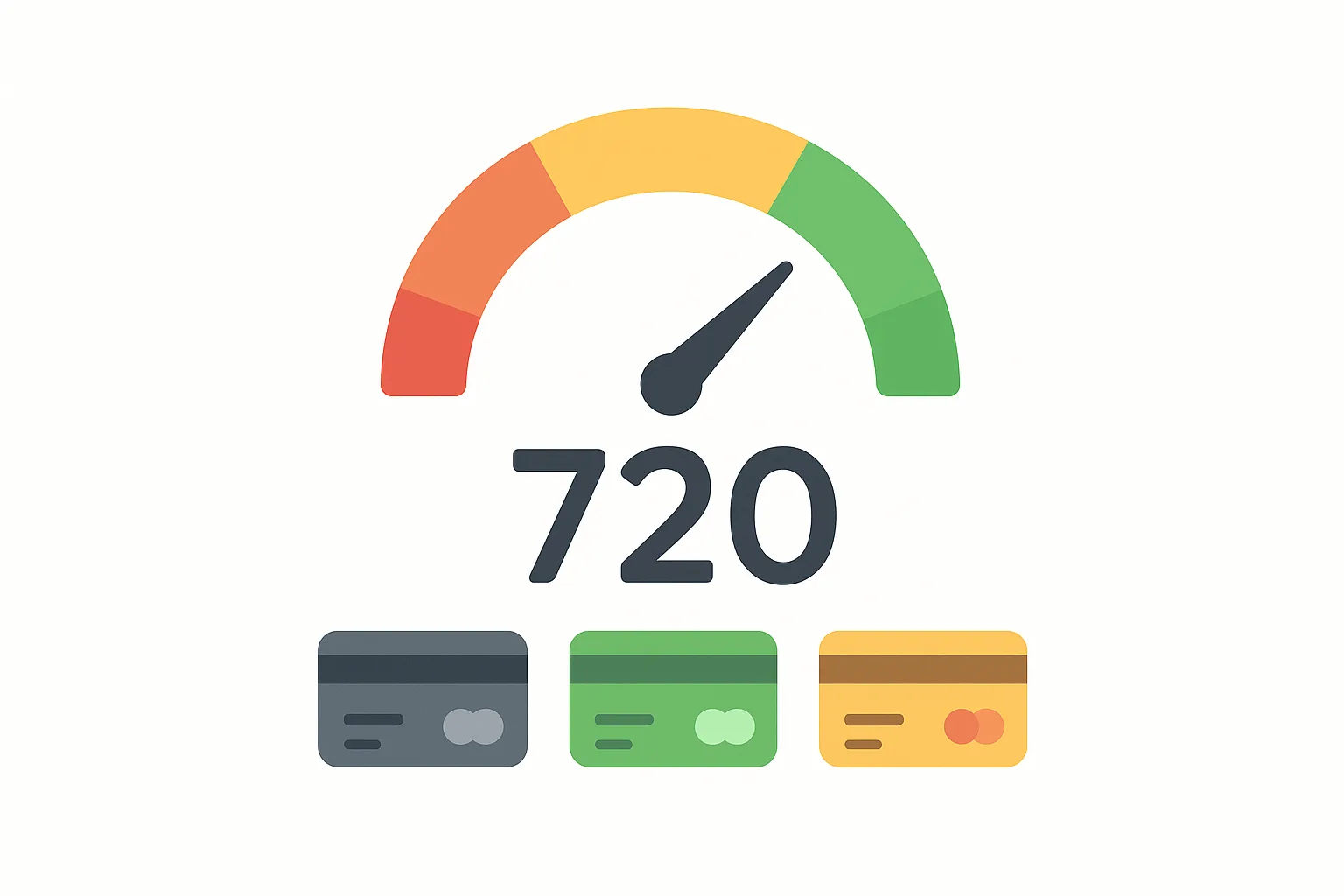
Remember when we talked about managing debt in our last post? How you borrow and repay money can affect something called your credit score—a little number with a big impact on your future plans.
What You’ll Learn
- What a credit score is and why it matters
- How your actions affect your credit score
- Simple, real-life examples of score changes
- Common mistakes to avoid
- Easy steps to start building better credit
What Is a Credit Score?
A credit score is a number that gives lenders (like banks or phone companies) an idea of how likely you are to repay borrowed money. In the UK, credit scores generally range from 0 to 999 (depending on the credit reference agency). A higher score means you’re seen as less risky to lend to.
Think of it like a school report card, but instead of grades for maths or English, you’re graded on how you manage borrowed money. Lenders use your score to decide if they’ll give you a loan or credit card, and what interest rate you’ll get.
What Affects Your Credit Score?
- Payment history – Do you pay your bills on time?
- Credit use – How much of your available credit do you use?
- Length of credit history – How long have you had credit accounts?
- Types of credit – Do you have a mix (like a credit card and a loan)?
- Recent applications – Have you applied for lots of new credit recently?
Worked Examples: See How It Works
Example 1: Jane Pays on Time
Jane has a credit card with a £1,000 limit. She uses about £200 each month and pays it off in full and on time. Over a few months, her credit score gradually improves. Why? She’s showing lenders she can manage debt responsibly and isn’t using too much of her available credit.
Example 2: Ben Misses Payments
Ben has a personal loan and a credit card. He forgets to pay his credit card bill for two months. His credit score drops because missed payments signal to lenders that he might not repay future loans reliably. Even one or two missed payments can have a noticeable effect.
It’s important to know that your score will change slowly over time, based on your habits. There’s no “quick fix.”
Why Does a Credit Score Matter?
Your credit score can affect many parts of your life, not just loans or credit cards. For example, some landlords check your score before renting to you. Mobile phone contracts and even some jobs may involve a credit check.
A higher score can mean:
- More access to loans and credit cards
- Better interest rates (so you pay less over time)
- More choices for things like car finance or mortgages in the future
Common Mistakes
- Missing payments – Even small missed bills (like a store card or utility) can hurt your score.
- Using all your credit – Spending up to your limit makes you look risky to lenders.
- Applying for lots of credit at once – Each application leaves a mark and too many can lower your score.
- Ignoring your credit report – Mistakes happen, like incorrect addresses or accounts you didn’t open. It pays to check.
- Closing old accounts quickly – Older accounts, even if unused, can help your score by showing a longer credit history.
Action Steps
- Check your credit score for free with a UK credit reference agency (like Experian, Equifax, or TransUnion)
- Pay all bills on time—set up direct debits if you can
- Keep your credit card balances low compared to your limits (aim for under 30%)
- Don’t apply for lots of new credit at once
- Review your credit report for mistakes and ask for corrections if needed
Recap
Your credit score is like a financial reputation. It’s built on how you borrow and repay money. Small, positive actions—like paying bills on time and using less than your full credit limit—add up over time. Avoid the common mistakes above, and you’ll be well on your way to a stronger score.
Glossary
- Credit score: A number showing how likely you are to repay borrowed money.
- Credit limit: The maximum amount you can borrow on a credit card or account.
- Interest rate: The cost of borrowing money, shown as a percentage of what you owe.
- Lender: A bank or company that lets you borrow money.
- Credit report: A summary of your borrowing history and how you’ve managed loans or credit.
Disclaimer
This article is for general education only and is not financial advice. Credit rules, scoring models, and lender decisions vary by location and over time. Always check with official sources or a qualified adviser for guidance on your personal situation.
Previous: Saving and Emergency Funds
Next: What Investing Really Is: The Basics Explained