
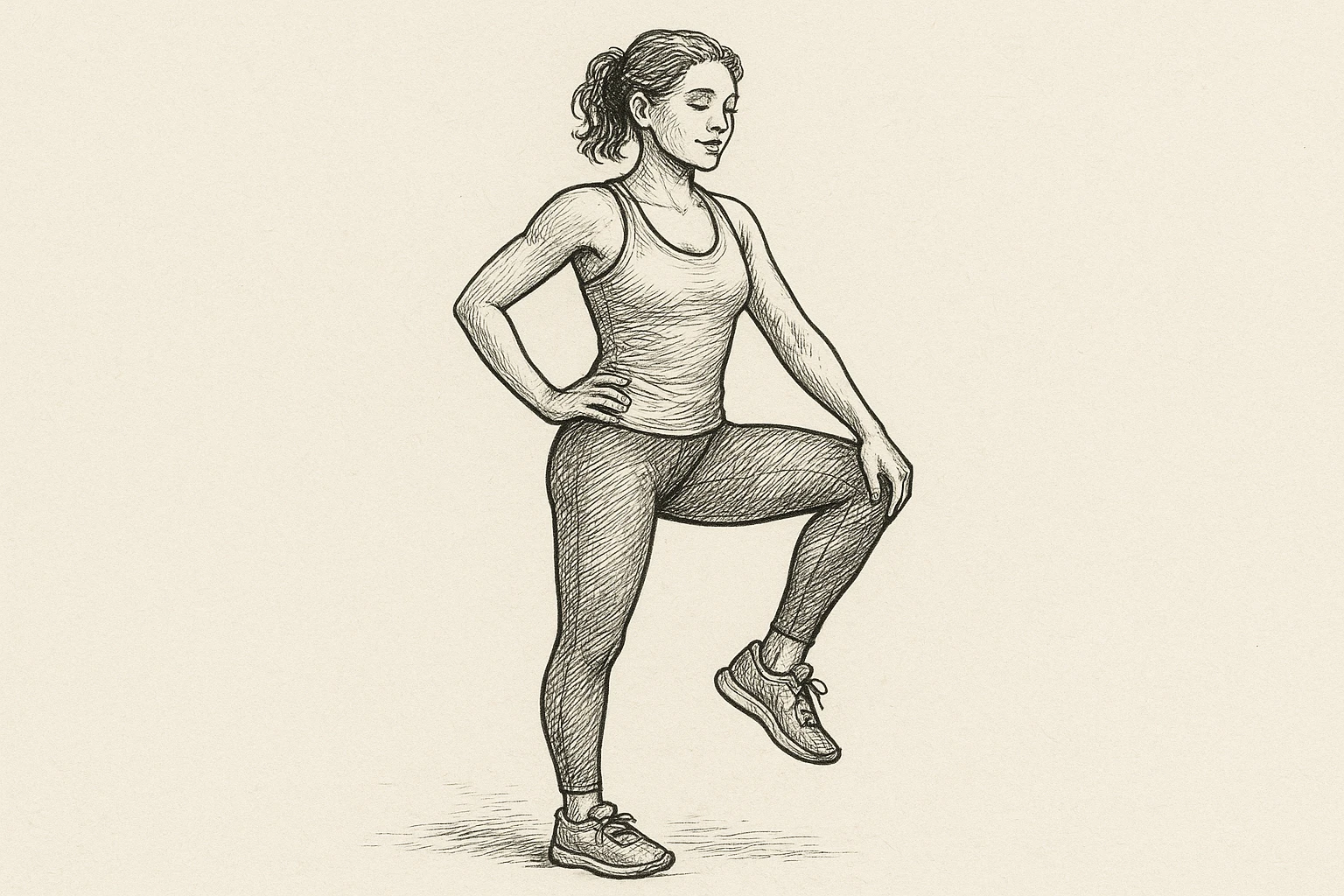
Staying flexible is a great way to keep your body feeling good and moving easily. But many people think they need to dedicate long stretches of time to stretching exercises to see any benefits. The good news is that improving and maintaining flexibility doesn’t have to take hours each day. With some simple, practical habits, you can stay supple and mobile in a way that fits easily into your daily life.
Why Flexibility Matters
Flexibility helps your joints move through their full range of motion, reducing stiffness and the risk of injury. It can also improve your posture, ease muscle tension, and support everyday activities like bending, reaching, and even walking. As we age, maintaining flexibility becomes even more important for keeping independence and comfort.
Common Myths About Flexibility
- You must stretch for hours to improve flexibility. In reality, short, consistent sessions are more effective and sustainable.
- Only young or athletic people can improve flexibility. People of all ages and fitness levels can benefit.
- Stretching before exercise is always best. While some warm-up movement is important, static stretching is often more beneficial after activity or in separate sessions.
- Flexibility gains are permanent. Like any fitness aspect, flexibility needs regular practice to maintain.
Simple Habits to Boost Flexibility Without Spending Hours
Try these easy-to-follow tips that you can fit into your day without needing a special time slot or equipment.
1. Move Frequently Throughout the Day
Being sedentary can lead to stiffness. Aim to get up and move every 30 to 60 minutes. Even a quick walk around the room or gentle limb swings can keep your joints lubricated and muscles engaged.
2. Incorporate Dynamic Movements
Dynamic movements are active movements that take your joints through their full range of motion. Examples include arm circles, leg swings, or gentle torso twists. Doing these for 5 minutes at the start of your day or before activities can help maintain flexibility and prepare your body for movement.
3. Use ‘Mini-Stretch’ Breaks
Instead of one long stretching session, try brief 1-2 minute stretches during your breaks. Stretch your arms overhead, do some calf raises, or gently reach for your toes. These mini-breaks add up and keep your muscles flexible without feeling like a chore.
4. Try Functional Movements
Functional movements mimic everyday actions and help improve flexibility in practical ways. Try squatting to pick something up, lunging when reaching forward, or side bending while doing chores. These movements keep your body agile and ready for daily tasks.
5. Focus on Breath and Relaxation
When stretching, breathe deeply and avoid holding your breath. Relaxed muscles stretch more easily. Incorporating slow, mindful breaths can increase your stretch quality in less time.
6. Make Stretching Social or Enjoyable
Stretch with friends, family, or join a gentle yoga class. Enjoyment increases the chances you’ll stick with it. Even listening to your favourite music while doing simple stretches can motivate you.
Step-by-Step Routine for Busy Days
This quick routine takes about 10 minutes and covers major muscle groups. You can split it into smaller chunks or do it all at once.
- Neck Rolls: Slowly roll your head in a circle 5 times each way to relieve tension.
- Shoulder Shrugs and Rolls: Lift your shoulders up to your ears and release, then roll them backward and forward 5 times.
- Arm Circles: Extend arms to the sides and make small circles, gradually increasing the size. Do 10 circles forward and 10 backward.
- Cat-Cow Stretch (on hands and knees): Arch your back upwards (cat) and then drop your belly while lifting your head (cow). Repeat 8-10 times.
- Standing Hamstring Stretch: With one foot slightly forward, gently reach towards your toes without bouncing. Hold 20 seconds each leg.
- Hip Opener: Standing, cross one ankle over the opposite knee and gently sit back as if sitting in a chair. Hold 20 seconds each side.
- Calf Raises: Stand on your toes and slowly lower down. Repeat 15 times to improve ankle flexibility.
- Side Stretch: Reach one arm overhead and lean gently to the opposite side. Hold 20 seconds each side.
Tips to Keep Your Flexibility Routine Sustainable
- Be Consistent: Short, daily habits work better than occasional long sessions.
- Listen to Your Body: Stretch gently without pain. Flexibility improves gradually.
- Stay Hydrated: Water supports muscle health and joint lubrication.
- Mix It Up: Change your stretches to keep things interesting and target different muscles.
- Celebrate Small Wins: Notice improvements in movement and comfort to stay motivated.
Common Questions About Flexibility
Can I improve flexibility if I’m stiff or haven’t exercised before?
Absolutely. Gentle, regular movement and stretching help gradually loosen tight muscles and joints. Start slowly and increase as you feel comfortable.
Is it okay to stretch every day?
Yes. Daily gentle stretching or movement breaks are safe and beneficial for most people.
Will stretching make me sore?
Stretching should not cause pain. Mild muscle sensations are normal, but sharp or intense pain means you should ease off.
Conclusion
Improving flexibility doesn’t require hours of stretching or complicated routines. By integrating simple, consistent habits like moving regularly, adding mini-stretch breaks, and focusing on functional movements, you can keep your body supple and comfortable. Remember that slow progress and listening to your body are key. With a little daily effort, staying flexible can become a natural part of your lifestyle, supporting your health and wellbeing for years to come.
This article provides general educational information only and is not a substitute for professional medical advice. Always consult a qualified healthcare professional for personal guidance.