
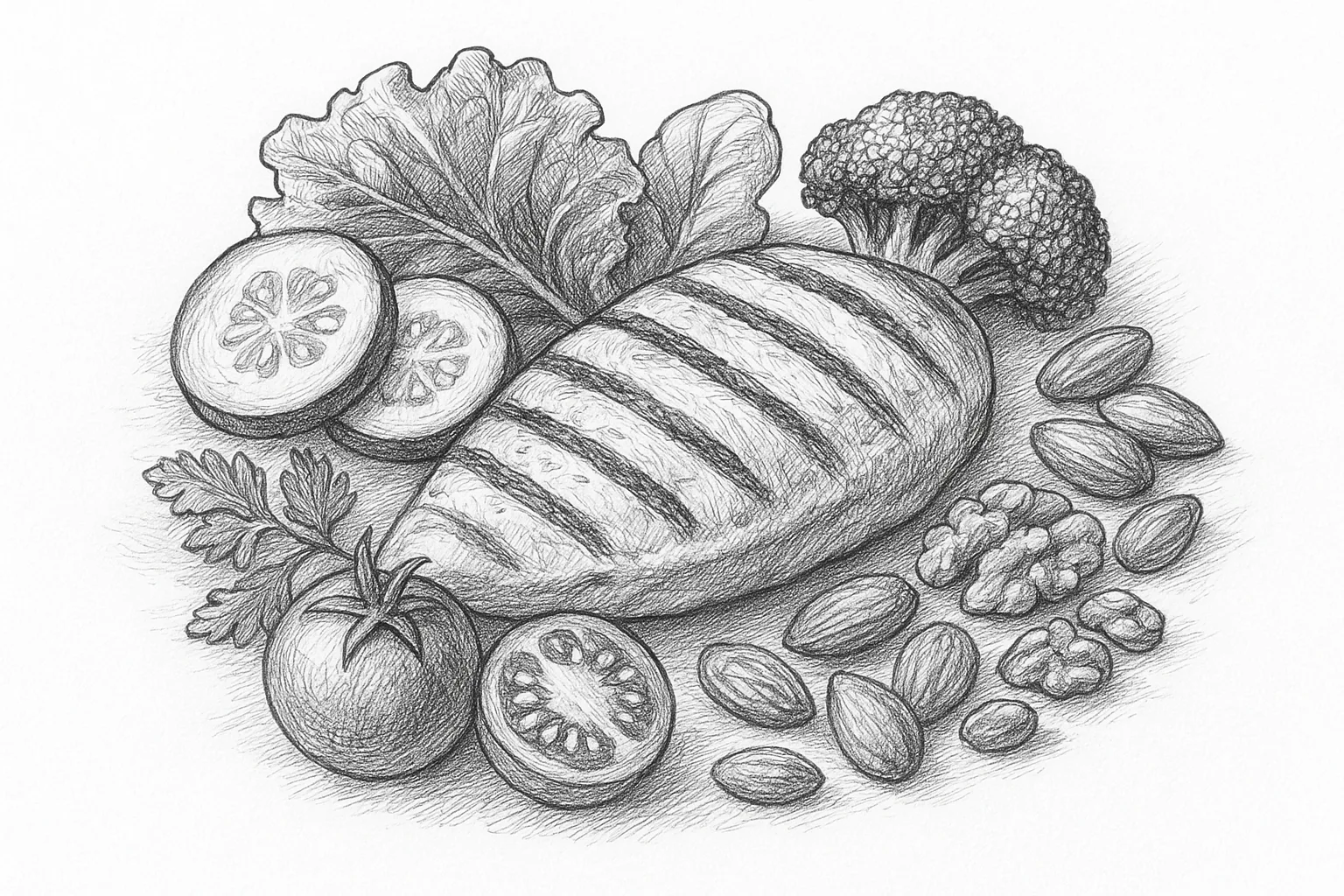
How Protein Helps With Fat Loss and Appetite Control
When it comes to managing weight and feeling satisfied between meals, protein often takes centre stage. But how exactly does protein help with fat loss and appetite control? Understanding the role of protein in your diet can empower you to make smart, sustainable choices that support your wellbeing without resorting to extreme diets or quick fixes.
Why Protein Matters for Fat Loss
Protein is a vital nutrient that plays many roles in the body, from building and repairing tissues to supporting immune function. One of the key reasons protein is linked to fat loss is because it helps preserve muscle mass while you’re losing weight. Muscle tissue burns more calories than fat, even at rest, so maintaining muscle helps keep your metabolism active.
Additionally, protein has a higher thermic effect of food (TEF) compared to fats and carbohydrates. This means your body uses more energy to digest and process protein, which can slightly increase the number of calories you burn each day.
Protein and Appetite Control
Protein also influences hormones that regulate hunger and fullness. Eating protein-rich meals can increase levels of hormones that promote satiety, such as peptide YY and GLP-1, while decreasing the hormone ghrelin, which stimulates appetite. This hormonal effect can lead to reduced cravings and lower overall calorie intake, making it easier to stick to a healthy eating plan.
Comparing Different Protein Sources
Not all proteins are the same when it comes to fat loss and appetite control. Let’s look at some common protein types:
- Whey Protein: Whey is a fast-digesting protein derived from milk. It is rich in essential amino acids, especially leucine, which supports muscle building. Whey is often used post-workout and is effective for appetite control due to its quick absorption.
- Casein Protein: Also from milk, casein digests slowly, providing a steady release of amino acids. This makes it a good choice for maintaining fullness over longer periods, such as before bedtime.
- Soy Protein: A plant-based protein that contains all essential amino acids. Soy is a good option for vegetarians and vegans and has been shown to support muscle maintenance and satiety.
- Pea Protein: Another plant-based option, pea protein is rich in branched-chain amino acids that aid muscle repair. It digests moderately fast and can help keep you full between meals.
The best protein source depends on your dietary preferences, tolerances, and lifestyle. Combining different sources can provide a balanced amino acid profile and variety.
Practical Tips for Using Protein to Support Fat Loss and Appetite Control
- Include Protein in Every Meal: Aim to have a source of protein with breakfast, lunch, and dinner. This helps stabilise blood sugar and keeps hunger at bay.
- Choose Whole Foods: Prioritise natural protein sources like lean meats, fish, eggs, dairy, legumes, nuts, and seeds. Whole foods provide additional nutrients and fibre that support overall health.
- Consider Timing: Eating protein earlier in the day or distributing it evenly can help manage appetite better than having most protein late at night.
- Balance Your Plate: Pair protein with vegetables, whole grains, and healthy fats for a satisfying, nutrient-rich meal that supports fat loss.
- Snack Smart: Choose protein-rich snacks such as Greek yoghurt, boiled eggs, or a handful of nuts to reduce cravings.
- Stay Hydrated: Drinking water alongside protein-rich meals can enhance feelings of fullness and support digestion.
Common Myths About Protein and Weight Loss
- Myth: Eating lots of protein alone will melt fat. While protein supports fat loss, it’s not a magic bullet. Overall calorie balance and lifestyle habits matter most.
- Myth: High protein diets harm your kidneys. For healthy individuals, moderate increases in protein intake are generally safe. However, if you have kidney issues, consult a healthcare professional.
- Myth: Plant proteins are inferior to animal proteins. Plant proteins can be just as effective when combined properly to provide all essential amino acids.
- Myth: Protein shakes are necessary for fat loss. Protein shakes can be convenient but aren’t essential. Whole foods can provide all the protein you need.
Building Sustainable Habits Around Protein
Focusing on protein to support fat loss and appetite control works best when it’s part of a balanced, enjoyable eating pattern. Here are some ways to build lasting habits:
- Plan Your Meals: Prepare meals ahead with protein-rich ingredients to avoid last-minute unhealthy choices.
- Experiment with Recipes: Try dishes featuring different protein sources to keep meals interesting.
- Listen to Your Body: Notice how different proteins affect your fullness and energy levels, then adjust accordingly.
- Combine with Physical Activity: Regular exercise enhances muscle maintenance and overall fat loss benefits.
- Be Patient: Sustainable weight loss and appetite control take time. Focus on consistency, not perfection.
Conclusion
Protein plays a valuable role in supporting fat loss and managing appetite by preserving muscle, increasing fullness, and boosting calorie burn through digestion. Whether you prefer whey, casein, soy, or pea protein, incorporating quality protein into each meal can help create sustainable habits that support your goals. Remember, balance and consistency are key—combine your protein intake with whole foods, hydration, and physical activity for best results. Avoid falling for myths and focus on a realistic approach that fits your lifestyle.
This article provides general educational information only and is not a substitute for professional medical advice. Always consult a qualified healthcare professional for personal guidance.