
Series: Finance for Kids
Phase 8: Money Activities & Games — Part 97 of 166
Teaching Kids Through Grocery Price Guessing Games
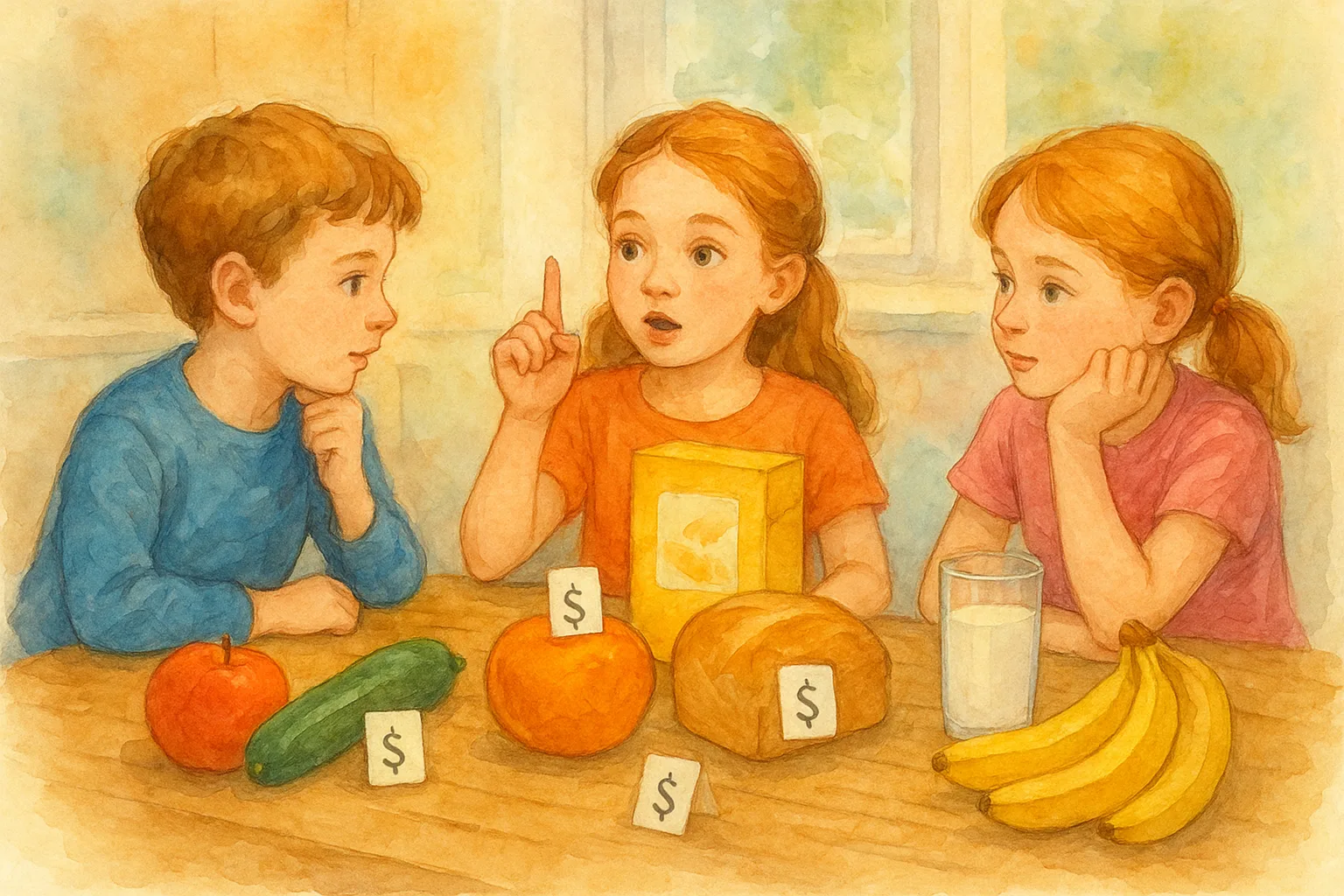
Shopping for groceries can be more than just a chore. It can be a great opportunity to teach kids about money! One fun way to do this is through grocery price guessing games. These games can help children understand the value of money, learn about budgeting, and develop important skills for their future.
Why Play Grocery Price Guessing Games?
Playing guessing games not only makes shopping more enjoyable, but it also engages children in learning. Here are some reasons why these games are beneficial:
- Enhances Math Skills: Kids practice counting, addition, and subtraction as they guess prices.
- Improves Observation: Children learn to observe prices and compare items.
- Encourages Critical Thinking: They develop reasoning skills by estimating costs and making choices.
- Builds Confidence: Successfully guessing prices boosts their self-esteem and confidence in handling money.
How to Play the Grocery Price Guessing Game
Here’s a simple step-by-step guide to playing this fun game during your grocery shopping trips:
Step 1: Prepare for the Game
Before heading to the store, explain the game to your child. Make sure they understand that they will be guessing the prices of different items. You can also discuss how prices can vary between brands and types of products.
Step 2: Choose Your Items
As you walk through the store, point out various items. You might want to select a mix of everyday products such as:
- Bread
- Milk
- Fruits and vegetables
- Cereal
- Snacks
Step 3: Make Your Guesses
For each item, ask your child to guess the price. Encourage them to think about what they know and to consider factors like the size of the item or brand. For example, “How much do you think this loaf of bread costs?”
Step 4: Check the Prices
Once they have made their guess, check the actual price together. This is a great moment for discussion:
- Was the guess too high, too low, or just right?
- Why do they think the price is what it is?
- What were the differences between similar items?
Step 5: Keep Score
To make it even more fun, keep score of how many items your child guessed correctly. You can even set small rewards for correct guesses, such as choosing a snack for later or helping to prepare a meal!
Myths About Money and Kids
There are some common myths about teaching kids about money that we should clear up:
- Myth 1: Kids are too young to learn about money. In reality, children can start learning about money at a young age through simple games and conversations.
- Myth 2: Money is a boring topic. With engaging activities like guessing games, money can be fun and exciting!
- Myth 3: Teaching kids about money is too complicated. Simple games and everyday experiences make learning easy and enjoyable.
Conclusion
Grocery price guessing games are a fun way to teach children about money management while also making shopping an enjoyable experience. By incorporating simple activities and discussions into your grocery trips, you help your child develop valuable skills that they will use for a lifetime. Happy shopping!
This article provides general educational information only and is not financial advice. Always seek guidance from a qualified professional for personal financial decisions.
Previous: How to Create a “Savings Thermometer” Chart
Next: Using Coupon Clipping as a Learning Activity