
Series: Finance for Kids
Phase 8: Money Activities & Games — Part 96 of 166
How to Create a “Savings Thermometer” Chart
Teaching kids about saving money can be a fun and engaging process. One effective way to do this is by creating a savings thermometer chart. This visual tool helps children see their progress towards a savings goal, making it exciting and motivating. In this article, we’ll guide you through the steps to create your own savings thermometer chart and share some tips to make it enjoyable for the whole family!
What is a Savings Thermometer Chart?
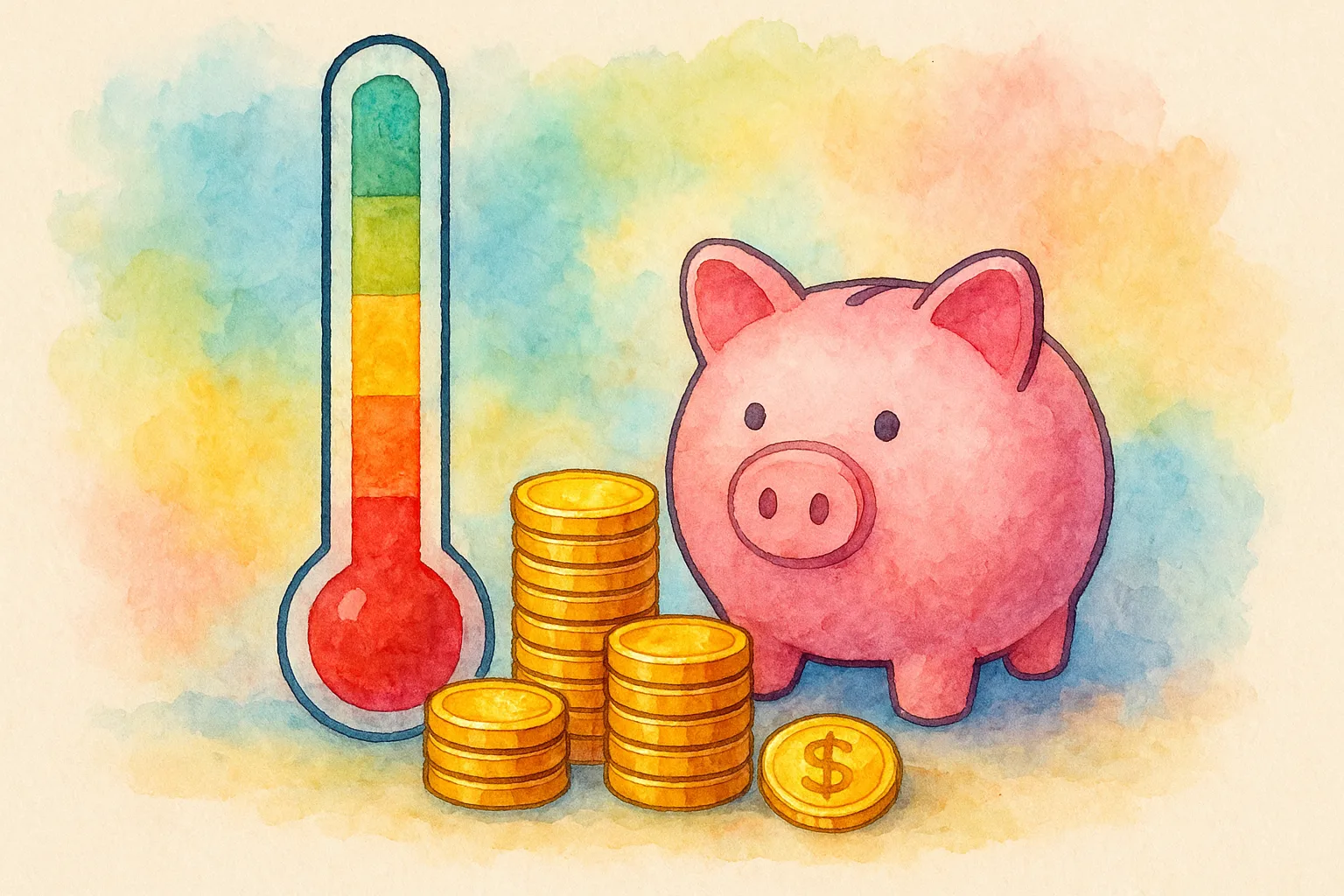
A savings thermometer chart is a simple drawing that looks like a thermometer. It shows how much money has been saved towards a specific goal. As children add to their savings, they can colour in the thermometer to visually represent their progress. This not only helps them track how much they’ve saved but also encourages them to keep saving!
Step-by-Step Guide to Create Your Chart
Here’s a simple step-by-step guide to help you and your child create a savings thermometer chart:
- Gather Your Materials: You will need some paper, coloured markers or pencils, a ruler, and a pencil.
- Decide on a Savings Goal: Talk with your child about what they want to save for. It could be a toy, a game, or even a special trip. Having a clear goal will make saving more exciting!
- Draw the Thermometer: Using a ruler, draw a large vertical rectangle on the paper. At the top, write the total amount needed for the goal. For example, if they want to save £50, write “£50” at the top. Then, draw a horizontal line across the bottom for the starting point, which is usually £0.
- Divide the Thermometer: Divide the thermometer into sections. You can choose how many sections to create based on the total amount. For example, if your goal is £50, you could divide it into five sections of £10 each. This way, as they save, they can colour in each section as they reach each milestone.
- Decorate the Chart: Encourage your child to decorate their chart. They can add drawings or stickers that relate to their goal. This will make the chart more personal and engaging.
- Start Saving! Every time your child adds money to their savings, help them colour in a section of the thermometer. This visual representation of their progress will motivate them to keep saving!
Making It Fun and Engaging
To keep the savings process fun, consider these ideas:
- Set Mini Goals: Break the main goal into smaller milestones. For example, if the goal is £50, celebrate when they save their first £10. This will give them a sense of achievement.
- Involve Family and Friends: Encourage family members to contribute to the savings goal. This can be especially fun during birthdays or holidays when relatives may want to give money as gifts.
- Share Progress: Regularly check the chart together and talk about how far they’ve come. This can spark conversations about money and the importance of saving.
Common Myths About Saving
When discussing savings with children, it’s essential to address some common myths:
- Myth 1: Saving is boring. Fact: Saving can be exciting, especially when you have a goal to work towards!
- Myth 2: I need a lot of money to start saving. Fact: You can start saving with any amount, even small coins. Every little bit counts!
- Myth 3: Saving is just for adults. Fact: Kids can start learning about saving early, and it’s a valuable life skill!
Conclusion
Creating a savings thermometer chart is a fantastic way to teach kids about saving money in a fun and engaging way. By visualising their progress, children can learn the value of setting goals and working towards them. Remember to celebrate achievements along the way and keep the experience enjoyable!
This article provides general educational information only and is not financial advice. Always seek guidance from a qualified professional for personal financial decisions.
Previous: How to Use Stickers and Charts for Money Progress
Next: Teaching Kids Through Grocery Price Guessing Games