
Series: Finance for Kids
Phase 8: Money Activities & Games — Part 87 of 166
How to Use Play Money to Role-Play Real Financial Decisions
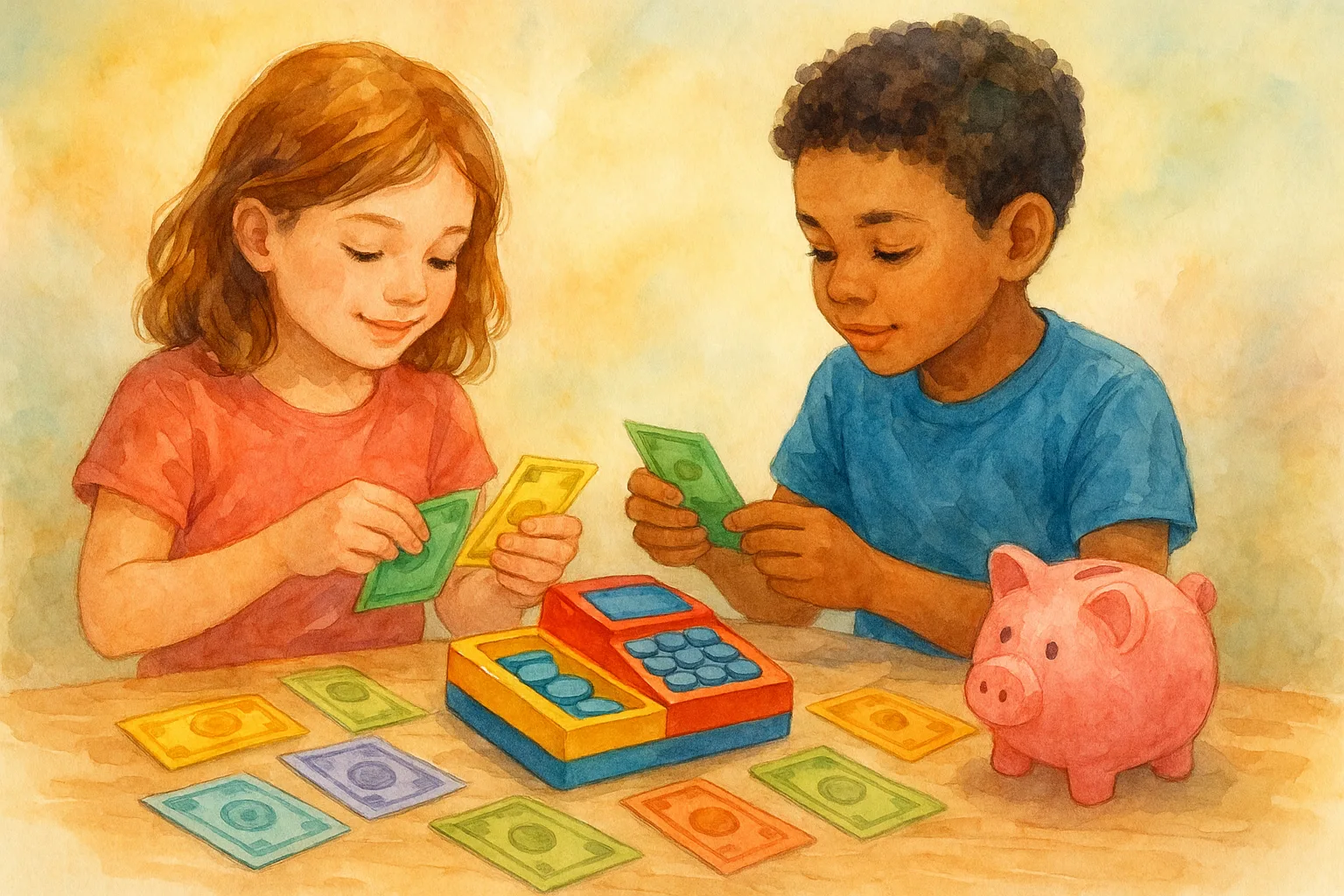
Teaching kids about money can be a fun and rewarding experience. One effective way to introduce financial concepts is through play money and role-playing. This method allows children to engage in real-life financial scenarios in a safe and enjoyable environment. In this article, we will explore how to use play money to role-play financial decisions and help your children learn valuable money skills.
Why Use Play Money?
Play money provides a hands-on way for kids to understand the value of currency and the basics of managing finances. It allows them to practice making decisions in various financial situations without any real-world consequences. Here are some reasons to consider using play money:
- Encourages Imagination: Kids can create their own shops, restaurants, or banks, making learning fun.
- Builds Confidence: Role-playing helps children feel more confident when handling real money later in life.
- Teaches Responsibility: Kids learn to make choices and understand the consequences of those choices.
Getting Started with Play Money
To begin, gather some play money. You can purchase sets from toy stores or print your own from free online resources. Once you have your play money, follow these steps to set up engaging role-playing scenarios:
- Choose a Scenario: Think about different financial situations that kids might encounter, such as grocery shopping, saving for a toy, or planning a birthday party.
- Set Up a Marketplace: Create a mini-marketplace at home. You can use real items (like snacks or toys) as products to buy and sell, or use pictures if you want to keep it simple.
- Assign Roles: Let kids take turns being shoppers and sellers. This helps them experience both sides of a transaction.
- Introduce Prices: Create price tags for items in your marketplace. This allows kids to practice counting money and making purchases.
- Encourage Discussion: After each transaction, discuss what went well and what could be improved. Ask questions like, “What did you enjoy about shopping?” or “How did you decide what to buy?”
Fun Role-Playing Ideas
To make the experience even more engaging, here are some fun role-playing ideas:
- Restaurant Role-Play: Set up a pretend restaurant where kids can take orders, serve food, and handle payments. This teaches them the value of budgeting for meals and tipping.
- Banking Fun: Create a bank scenario where children can deposit and withdraw money. Discuss savings goals and interest in a simple way.
- Shopping Spree: Give kids a set amount of play money and let them shop for items in your home. They can learn to prioritize needs versus wants.
- Saving for a Goal: Have kids set a savings goal for a toy or game. Use play money to simulate saving over time and discuss how they can reach their goal.
Addressing Myths About Teaching Kids Money Management
When it comes to teaching kids about money, there are some common myths that might hold parents back. Here are a few myths debunked:
- Myth 1: Kids are too young to learn about money. Truth: Children can understand basic concepts about money from a young age, and early lessons can set a strong foundation.
- Myth 2: Money management is too complicated for kids. Truth: You can simplify financial concepts through play and relatable scenarios, making them easy to grasp.
- Myth 3: Teaching kids about money will make them materialistic. Truth: Understanding money helps children develop a healthy relationship with it, learning to balance wants and needs.
Conclusion
Using play money to role-play financial decisions is a fantastic way to teach kids about money management. It encourages creativity, builds confidence, and instills valuable lessons about spending, saving, and prioritising needs. By making learning fun and interactive, you can help your children develop essential financial skills that will benefit them for a lifetime.
This article provides general educational information only and is not financial advice. Always seek guidance from a qualified professional for personal financial decisions.
Previous: Board Games That Help Children Learn Financial Skills
Next: Simple Math Games That Build Money Confidence