
Series: Finance for Kids
Phase 7: Marketing, Peer Pressure & Boundaries — Part 81 of 166
Understanding Brand Influence at a Young Age
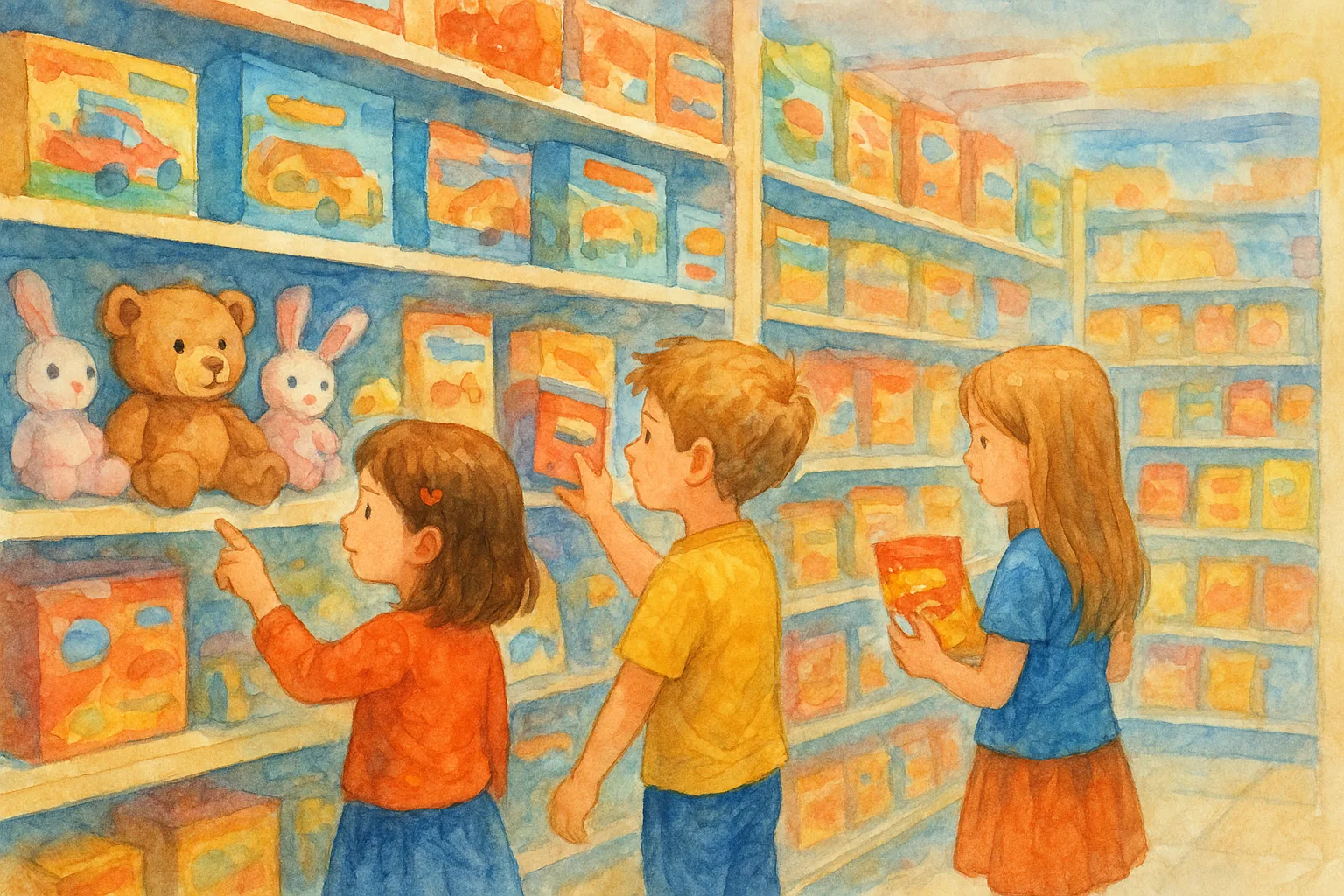
In today’s world, brands are everywhere. From toys and clothes to snacks and games, children are exposed to many different brands every day. This can influence their choices and spending habits. Understanding how brand influence works can help parents and educators guide children in making informed decisions about money.
What is Brand Influence?
Brand influence is how brands affect our feelings and decisions. Children may feel excited about a certain toy because they see it advertised on TV or in their favourite YouTube videos. Brands often use bright colours, catchy jingles, and popular characters to grab attention.
Why Are Kids So Influenced by Brands?
- Age and Development: Young children are still learning how to think critically. They may not fully understand that advertisements are designed to make them want something.
- Peer Pressure: Kids often want what their friends have. If everyone at school has a specific brand, they might feel the need to have it too.
- Emotional Connections: Brands create feelings of happiness or excitement. A child might associate a certain snack with fun times, making them want it even more.
How Brand Influence Affects Choices
Children may choose products based on their favourite characters or the latest trends rather than what they really need. For example, a child might insist on a particular cereal just because it has a fun mascot, even if there are healthier or more affordable options available.
Tips for Parents and Educators
Here are some steps to help children understand brand influence and make smarter choices:
- Discuss Advertising: Talk to children about advertisements. Explain that ads are meant to persuade them to buy something. Ask them to notice the different elements in ads, like bright colours and music.
- Encourage Critical Thinking: When children express interest in a brand, encourage them to ask questions. Why do they like it? What do they think about the product? This will help them think more deeply about their choices.
- Introduce Budgeting: Teach children about money management. Give them a small allowance and encourage them to save for things they want. This will help them understand the value of money and make more thoughtful purchases.
- Explore Alternatives: When a child wants a brand-name item, help them find similar products that may be less expensive. This teaches them that there are often good alternatives available.
- Lead by Example: Show children how you make decisions about products. Explain why you choose certain brands over others. Your actions can influence their habits.
Common Myths About Brand Influence
There are some common misconceptions about brand influence that parents should be aware of:
- Myth 1: All advertising is bad. Fact: While some ads can be misleading, not all advertising is negative. Some can inform consumers about useful products.
- Myth 2: Kids can’t understand brand influence. Fact: Even young children can begin to understand how brands work. Early education can help shape their views.
- Myth 3: Brand-name products are always better. Fact: Many non-brand products offer the same quality at a lower price. It’s important to evaluate products based on their benefits, not just the brand.
Conclusion
Understanding brand influence is essential for helping children make smart choices about money. By discussing advertising, encouraging critical thinking, and leading by example, parents and educators can guide children towards informed decisions. This knowledge will serve them well as they grow up in a world full of brands.
This article provides general educational information only and is not financial advice. Always seek guidance from a qualified professional for personal financial decisions.
Previous: Teaching Kids to Recognise Impulse Buying
Next: How to Help Kids Build Healthy Financial Boundaries