
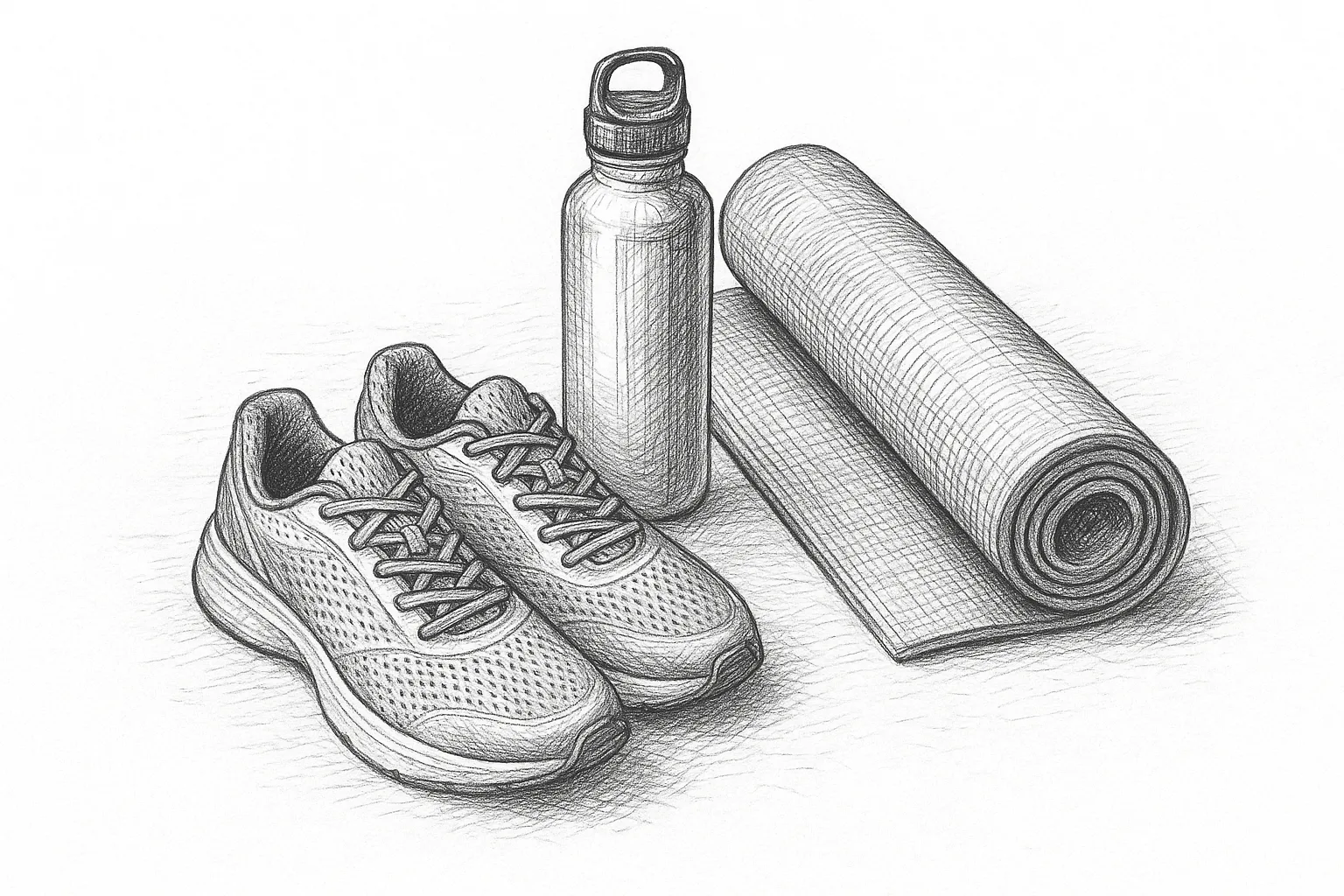
How to Make Fitness Part of Your Daily Routine
Finding time and motivation to stay active every day can feel challenging, especially with busy schedules and competing priorities. However, making fitness a consistent part of your daily routine doesn’t have to involve drastic changes or hours in the gym. By building simple, sustainable habits that suit your lifestyle, you can enjoy the physical and mental benefits of regular exercise while fitting it seamlessly into your day.
Why Making Fitness a Daily Habit Matters
Regular physical activity supports heart health, strengthens muscles and bones, improves mood, and boosts energy levels. Even moderate amounts of movement, like walking or stretching, can make a difference. Establishing fitness as a daily habit helps turn exercise into a natural, effortless part of life rather than a chore.
Step-by-Step Tips to Build Lasting Fitness Habits
- Start Small and Be Realistic
It’s better to begin with manageable goals than to aim too high and risk burnout. For example, start with 10 minutes of movement each day, such as a brisk walk or gentle yoga, and gradually increase the duration or intensity as you feel comfortable.
- Choose Activities You Enjoy
Fitness looks different for everyone. Whether it’s dancing, cycling, swimming, gardening, or bodyweight exercises, pick activities that make you feel good. Enjoyable exercise is easier to stick with and less likely to feel like a burden.
- Schedule It Like an Appointment
Set a regular time for your daily activity and add it to your calendar or phone reminders. Treating exercise like any other important commitment increases the chance you’ll follow through.
- Make It Convenient
Remove common barriers by preparing ahead. Keep workout clothes and shoes accessible, choose routes or gyms close to home or work, or use short online videos you can do in your living room.
- Mix It Up
Variety helps prevent boredom and promotes balanced fitness. Combine cardiovascular activities (like walking or cycling) with strength exercises (such as bodyweight squats or light resistance training) and flexibility work (like stretching or yoga).
- Use Social Support
Involve friends, family, or colleagues in your fitness routine. Exercising with others can boost motivation, accountability, and enjoyment.
- Track Your Progress
Keep a simple log or use apps to record your activities. Seeing your improvements over time can be encouraging and help you stay on track.
- Be Flexible and Kind to Yourself
Life can be unpredictable, and some days you may miss your planned activity. That’s okay. Focus on consistency over perfection and remind yourself that every bit of movement counts.
Common Myths About Making Fitness a Daily Habit
- Myth 1: You Need to Exercise for Hours Every Day
Reality: Even short bouts of activity, like 10 to 20 minutes, can improve health. Quality and consistency matter more than duration.
- Myth 2: You Must Do Intense Workouts to See Benefits
Reality: Moderate activities such as walking, gardening, or gentle stretching also support wellbeing and can be easier to maintain daily.
- Myth 3: If You Skip a Day, You’ve Failed
Reality: Missing a session is normal. The goal is long-term habit building, not perfection.
- Myth 4: You Need Special Equipment or a Gym Membership
Reality: Many effective exercises require no equipment at all. Walking, bodyweight exercises, and simple stretches can be done anywhere.
Practical Examples of Daily Fitness Habits
- Morning Stretch Routine: Spend 5–10 minutes stretching major muscle groups right after waking up to energise your body.
- Active Commute: Walk or cycle part of your journey to work or the shops when possible.
- Lunchtime Movement: Take a brisk 10-minute walk during your lunch break to refresh your mind and body.
- Evening Activity: Try a short online yoga or bodyweight workout after dinner to unwind.
- Household Chores: Turn chores like vacuuming or gardening into opportunities for light physical activity.
Staying Motivated Over Time
Building a fitness habit takes patience and persistence. Celebrate small wins, remind yourself of the benefits, and adjust your routine as your interests and circumstances change. Focus on how good movement makes you feel rather than just outcomes.
Conclusion
Integrating fitness into your daily routine is achievable with simple, realistic steps that fit your lifestyle. Start small, choose activities you enjoy, schedule them consistently, and be flexible with yourself. Remember that daily movement doesn’t require hours or special equipment—every bit counts toward better health and wellbeing. By busting common myths and focusing on sustainable habits, you can make fitness a natural and rewarding part of your life.
This article provides general educational information only and is not a substitute for professional medical advice. Always consult a qualified healthcare professional for personal guidance.