
Series: Finance for Kids
Phase 5: Banking, Cards & Digital Money — Part 56 of 166
Introduction
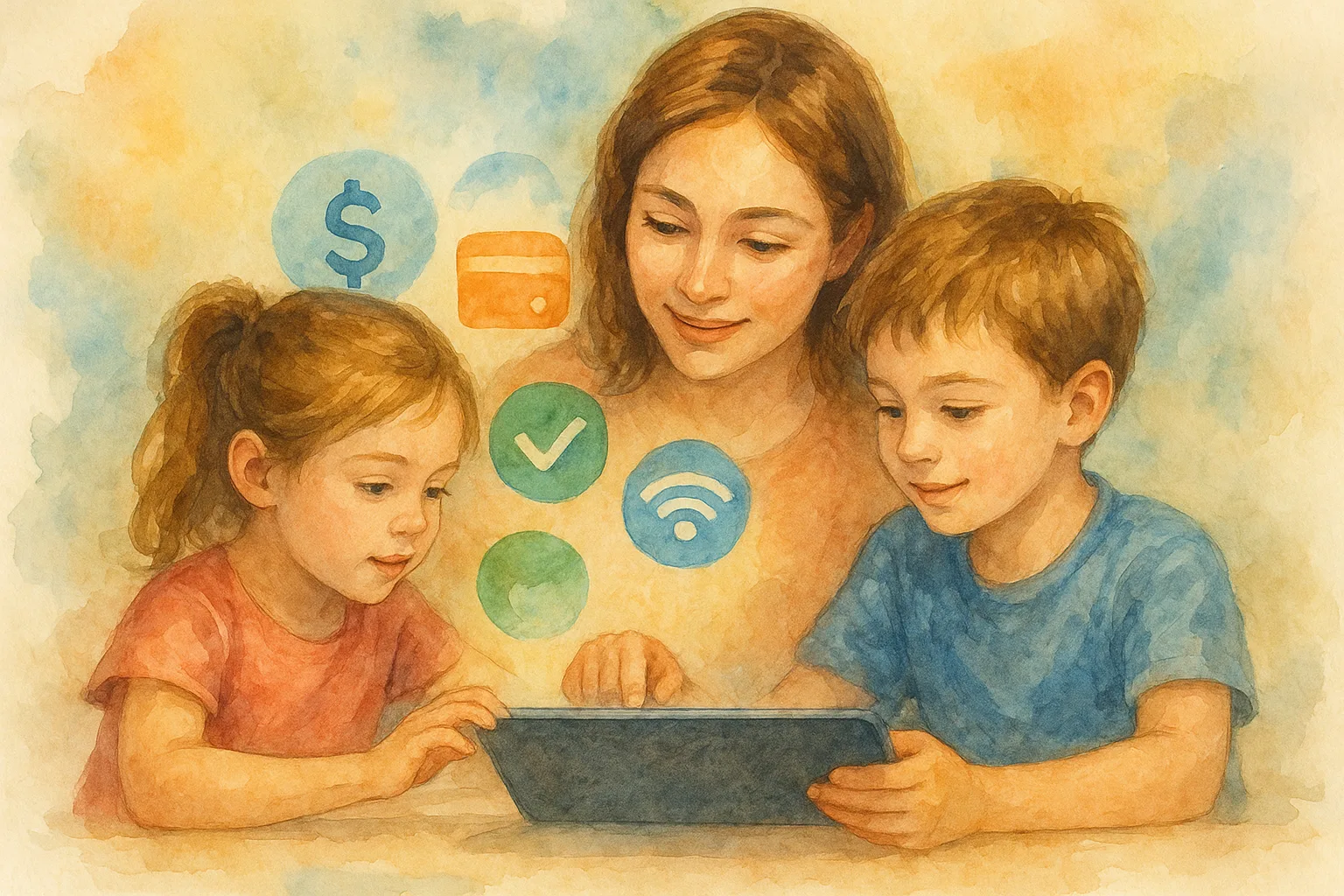
In our digital world, understanding online payments is essential for children. Teaching them how to handle money safely online can protect them from potential risks while empowering them to make smart choices. Here are some simple and effective ways to guide your kids through the world of online payments.
The Importance of Online Payment Safety
With more shopping, gaming, and even learning happening online, kids are likely to encounter online payments. By teaching them about payment safety, you help them develop skills that will last a lifetime. Here are some areas to focus on:
- Security: Discuss the importance of keeping their personal information safe.
- Understanding Transactions: Teach them how online payments work.
- Recognising Scams: Help them identify potential online fraud.
Step-by-Step Tips for Teaching Kids About Online Payments
1. Start with the Basics
Begin by explaining what online payments are. Use simple terms and examples they can relate to, like buying a toy or a game online. You might say, “When we buy something on the computer, we pay money using a special code called a card number.”
2. Explain Personal Information
Talk about what personal information is, such as their name, address, and bank details. Explain why it’s important to keep this information private. You can say, “Just like we wouldn’t share our home address with strangers, we shouldn’t share our payment details online.”
3. Demonstrate Safe Practices
Show them how to make purchases safely. Walk through the steps together:
- Look for trusted websites that have secure payment options.
- Check for a padlock symbol in the browser’s address bar.
- Use strong passwords and don’t share them.
Involve them in a fake online shopping experience. Let them pick items, add them to a cart, and practice checking out with your supervision.
4. Discuss Digital Payments
Introduce concepts like digital wallets or apps that allow online transactions. Explain how these tools can make payments easier, but stress the importance of using them carefully. You might say, “It’s like having a piggy bank, but on your phone!”
5. Role-Play Scenarios
Use role-playing to create different scenarios where they might need to make decisions about online payments. For example:
- Receiving a message about a great deal that seems too good to be true.
- Being asked for personal information on a website.
Ask them how they would react in these situations, guiding them to make safe choices.
6. Teach Them About Scams
Help them understand what scams look like. Discuss common types of online scams, such as:
- Phishing emails that ask for personal information.
- Fake websites that mimic real ones.
Encourage them to always ask an adult if they feel unsure about something online.
Common Myths About Online Payments
There are many myths surrounding online payments that can confuse kids. Here are a few to clear up:
- Myth 1: “All websites are safe to shop from.”
- Myth 2: “If I enter my information, it’s always protected.”
- Myth 3: “Only adults need to worry about online safety.”
By addressing these myths, you equip your kids with a better understanding of the risks involved.
Conclusion
Teaching kids about online payments safely is an important skill that can help them navigate the digital world confidently. By discussing security, practicing safe online behaviours, and debunking common myths, you empower them to make informed decisions. Remember, patience and open communication are key as they learn this essential life skill!
This article provides general educational information only and is not financial advice. Always seek guidance from a qualified professional for personal financial decisions.
Previous: What Happens When You Use a Card? (Kid-Friendly Explanation)
Next: Helping Kids Understand Bank Transfers