
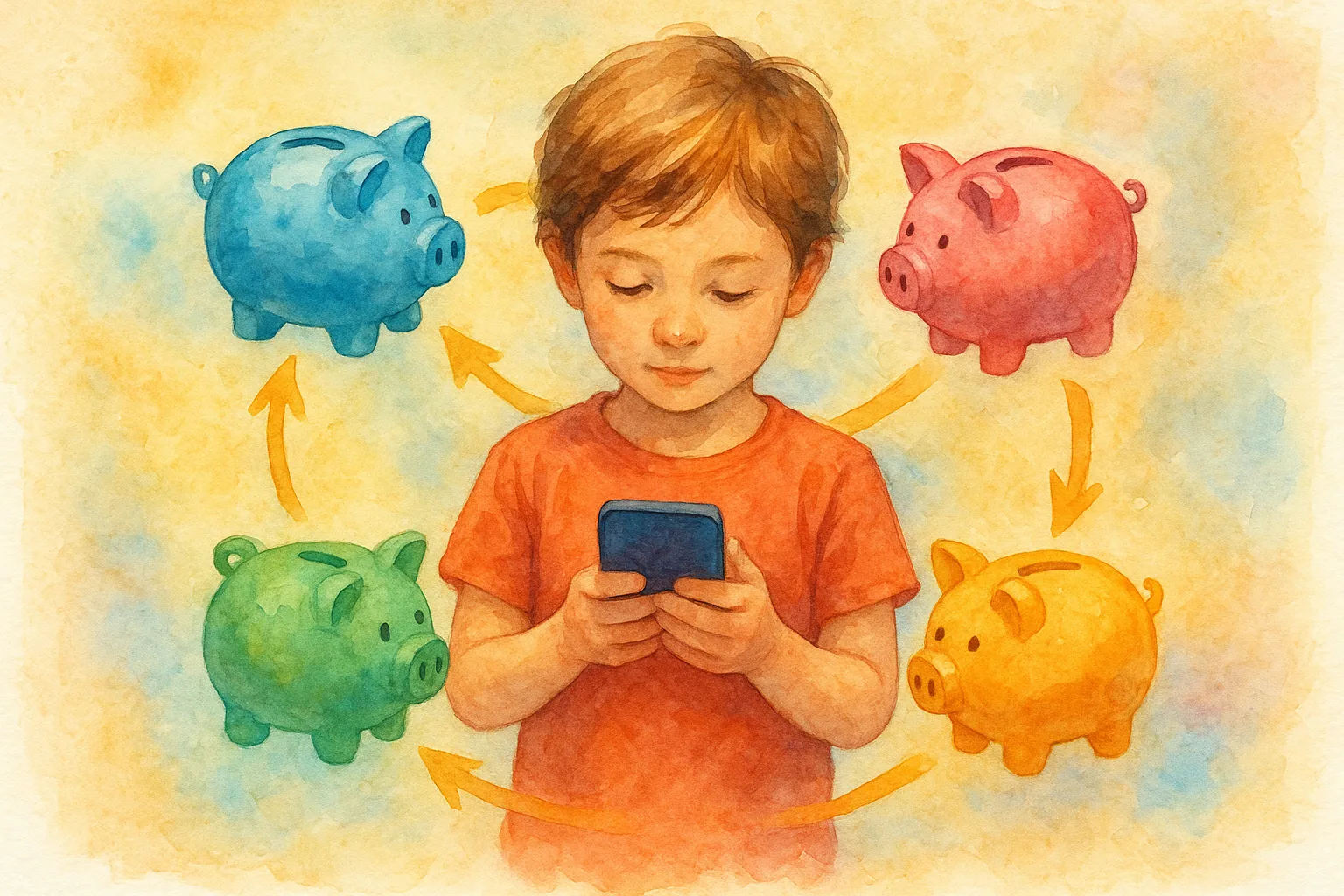
Series: Finance for Kids
Phase 5: Banking, Cards & Digital Money — Part 57 of 166
Helping Kids Understand Bank Transfers
Understanding bank transfers is an important part of learning about money. As children grow, they will encounter various ways to move money, whether it’s sending money to a friend or receiving pocket money from a parent. In this article, we will explore what bank transfers are, how they work, and how you can help your kids grasp these concepts in a fun and engaging way.
What is a Bank Transfer?
A bank transfer is simply a way of moving money from one bank account to another. It can happen between accounts in the same bank or between different banks. Think of it like sending a letter: you have to put it in an envelope and send it to the right address. In the case of bank transfers, the money goes from one account to another electronically.
Everyday Examples
Here are some everyday situations that can help kids understand bank transfers:
- Sharing Treats: Imagine you and your friend decide to buy a treat together. You both agree to split the cost. If your friend pays for the treat, you can send them your share of the money through a bank transfer. This shows how money can be shared easily.
- Birthday Money: If a relative sends money for your child’s birthday, they can receive it as a bank transfer directly into their account. This can help them see how money can come from different places.
- Buying Online: When shopping online, people often pay using bank transfers. Explain to your kids how they can buy something online and how the money moves from their account to the seller’s account.
How Do Bank Transfers Work?
To help children understand how bank transfers work, you can break the process down into simple steps:
- Initiating the Transfer: The person sending money needs to start the transfer. This can be done online, through a bank app, or by visiting a bank branch.
- Providing Information: The sender needs to know the receiver’s account details, which usually include their name, bank name, and account number. You can explain that this information is like an address for the money.
- Confirming the Transfer: After entering all the details, the sender confirms the transfer. This is like saying, “Yes, I want to send this money!”
- Money Movement: The bank moves the money electronically from one account to another. This happens quickly, often instantly, but sometimes it might take a little longer.
- Receiving the Money: The person receiving the money will see it in their account. You can explain that this is like getting a letter in the mailbox, but instead, they receive money!
Step-by-Step Tips for Explaining Bank Transfers
Here are some practical tips to help you explain bank transfers to your kids:
- Use Visuals: Draw diagrams showing how money moves from one bank to another. You can use simple pictures or even role-play using play money.
- Play Games: Create a game where kids can practice giving and receiving money. This can be a fun way to illustrate bank transfers in action.
- Encourage Questions: Let your child ask questions about bank transfers and money. This will help you understand what they know and what they need to learn.
- Relate to Real-Life Experiences: Use examples from your life, like how you pay bills or send money to family members. Real-life stories make the concept more relatable.
- Discuss Safety: Talk about the importance of keeping bank information safe. Explain that just like you wouldn’t share your home address with strangers, you should protect your bank details too.
Common Myths About Bank Transfers
There are a few myths about bank transfers that you might want to clarify with your kids:
- Myth 1: Bank transfers are always slow. Reality: Many bank transfers are instant, especially when using online banking.
- Myth 2: You can’t send small amounts of money. Reality: You can transfer any amount, even just a penny, depending on the bank’s policies.
- Myth 3: Transfers are only for adults. Reality: Kids can learn about transfers and even use them with supervision, especially for chores or allowances.
Conclusion
Helping kids understand bank transfers is a great way to introduce them to the world of money management. By using everyday examples and engaging activities, you can make learning about bank transfers fun and informative. Remember to encourage questions and relate the concepts to their experiences. This will help them gain confidence in handling money as they grow. Teaching these skills early will set a strong foundation for their financial future.
This article provides general educational information only and is not financial advice. Always seek guidance from a qualified professional for personal financial decisions.
Previous: How to Teach Kids About Online Payments Safely
Next: Explaining How Parents Budget the Household Money